Period K

Cretaceous

143.1000 – 66.0000 Ma

The Cretaceous is a geological period that lasted from about 143.1 to 66 Ma. It is the third and final period of the Mesozoic Era, as well as the longest. At around 77.1 million years, it is the ninth and longest geological period of the entire Phanerozoic. The name is derived from the Latin creta, 'chalk', which is abundant in deposits from the latter half of the period. It is usually abbreviated K, for its German translation Kreide.

← Geological time scale
Cretaceous
click to enlarge
© Scotese, Christopher R.; Vérard, Christian; Burgener, Landon; Elling, Reece P.; Kocsis, Ádám T. · CC BY 4.0
Fossil genera 1372
1 2 3 4 5 6 7 8 9 10 11 12 13 14 15 16 17 18 19 20 21 22 23 24 25 26 27 28 29 30 31 32 33 34 35 36 37 38 39 40 41 42 43 44 45 46 47 48 49 50 51 52 53 54 55 56 57 58 59 60 61 62 63 64 65 66 67 68 69 70 71 72 73 74 75 76 77 78 79 80 81 82 83 84 85 86
News 69
Longest Feather Ever Found in Amber Offers Clues to Flight’s Origins
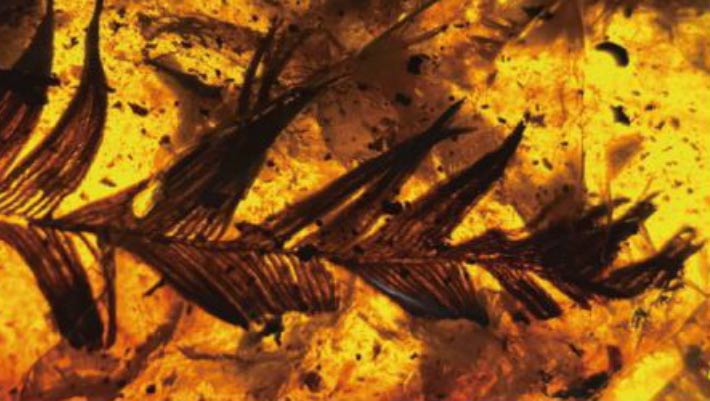
A pennaceous (vaned) feather trapped in Burmese amber about 99 million years ago, during the Cenomanian age of the Cretaceous period, is the longest three-dimensionally preserved example of its kind yet described. The post Longest Feather Ever Found in Amber Offers Clues to Flight’s Origins appeared first on Sci.News: Breaking Science News.
08/11/2026 sci-news
Struthiomimus: Beast of the Week
All birds are dinosaurs, but not all dinosaurs were birds.  This week's beast is a perfect, yet confusing, example of that.  Let's check out Struthiomimus! Struthiomimus was a theropod dinosaur that lived in what is now Alberta, Canada, and parts of the Western United States, during the Late Cretaceous Period during the span of 75 to 66 million years ago.  From beak to tail, Struthiomimus measured about 14 feet (7.3m) long.  The name Struthiomimus, translates to "Ostrich Mimic" because...look at
08/11/2026 prehistoricbeastoftheweek
Amazing “Hell Chicken” Discovery Reveals a Fruit-Eating Dinosaur
A remarkable theropod discovery is providing fresh insights into the diets of prehistoric animals. Scientists have identified a new species of small, feathered dinosaur that appears to have been specially adapted to eat fruit. Named Infernogallus jamesi, this unusual, potential fruit-eating dinosaur lived in North America during the Late Cretaceous and shared its environment with
07/11/2026 everythingdinosaur
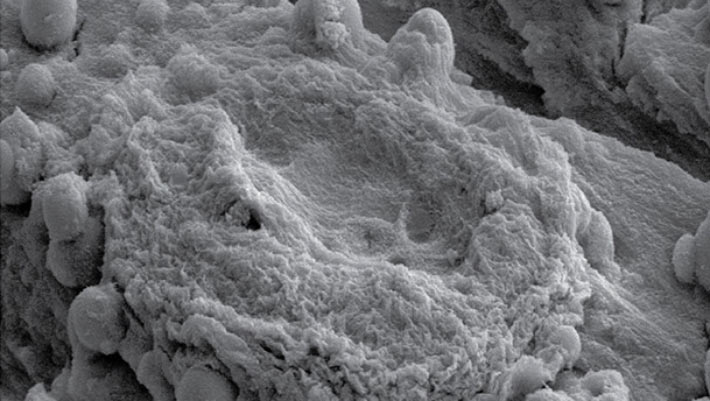
115-Million-Year-Old Dinosaur Bones Preserve Chemical Traces of Red Blood Cells
The fossilized remains belong to Aratasaurus museunacionali, a species of coelurosaurian theropod dinosaur that lived in what is now northeastern Brazil during the Early Cretaceous epoch, some 115 million years ago. The post 115-Million-Year-Old Dinosaur Bones Preserve Chemical Traces of Red Blood Cells appeared first on Sci.News: Breaking Science News.
02/11/2026 sci-news
Siats: Beast of the Week
This week belongs to a mysterious theropod dinosaur.  Check out Siats !  Siats was a large, meat-eating dinosaur that lived in what is now Utah, USA,  during the middle Cretaceous period, about 98 million years ago.  The individual found would have been about 30 feet (9 meters) long from snout to tail, but appeared to have been still growing when it died so it may have been able to grow larger.  The genus name is after a terrifying man-eating monster from the local Ute tribe's mythology, called
02/11/2026 prehistoricbeastoftheweek
1 2 3 4 5 6 7 8 9 10 11 12 13 14
Parent interval
Mesozoic Era
Sub-intervals 2
Early Cretaceous
143.1000 – 100.5000
Late Cretaceous
100.5000 – 66.0000