fossile

Nature du spécimen

223 image(s) · 128 Actualités

Galerie d'images

Lower Triassic fossil footprint (ichnite) of the ichnogenus Chirotherium, probably caused by an early archosaur, and first discovered 1833 in Hildburghausen (Thuringia, Germany). This specimen, however, ist from the Helsby Sandstone of the Storeton Quarry near Liverpool. Its species name is Chirotherium storetonense.[1]
Taxons Delatorrichnus

Lower Triassic fossil footprint (ichnite) of the ichnogenus Chirotherium, probably caused by an early archosaur, and first discovered 1833 in Hildburghausen (Thuringia, Germany). This specimen, however, ist from the Helsby Sandstone of the Storeton Quarry near Liverpool. Its species name is Chirotherium storetonense.[1]

Allemagne Trias fossile spécimen +9
Lower Triassic fossil footprint (ichnite) of the ichnogenus Chirotherium, probably caused by an early archosaur, and first discovered 1833 in Hildburghausen (Thuringia, Germany). This specimen, however, ist from the Helsby Sandstone of the Storeton Quarry near Liverpool. Its species name is Chirotherium storetonense.[1]
Taxons Dinehichnus

Lower Triassic fossil footprint (ichnite) of the ichnogenus Chirotherium, probably caused by an early archosaur, and first discovered 1833 in Hildburghausen (Thuringia, Germany). This specimen, however, ist from the Helsby Sandstone of the Storeton Quarry near Liverpool. Its species name is Chirotherium storetonense.[1]

Allemagne Trias fossile spécimen +9
Lower Triassic fossil footprint (ichnite) of the ichnogenus Chirotherium, probably caused by an early archosaur, and first discovered 1833 in Hildburghausen (Thuringia, Germany). This specimen, however, ist from the Helsby Sandstone of the Storeton Quarry near Liverpool. Its species name is Chirotherium storetonense.[1]
Taxons Dromaeosauripus

Lower Triassic fossil footprint (ichnite) of the ichnogenus Chirotherium, probably caused by an early archosaur, and first discovered 1833 in Hildburghausen (Thuringia, Germany). This specimen, however, ist from the Helsby Sandstone of the Storeton Quarry near Liverpool. Its species name is Chirotherium storetonense.[1]

Allemagne Trias fossile spécimen +9
Lower Triassic fossil footprint (ichnite) of the ichnogenus Chirotherium, probably caused by an early archosaur, and first discovered 1833 in Hildburghausen (Thuringia, Germany). This specimen, however, ist from the Helsby Sandstone of the Storeton Quarry near Liverpool. Its species name is Chirotherium storetonense.[1]
Taxons Eutynichnium

Lower Triassic fossil footprint (ichnite) of the ichnogenus Chirotherium, probably caused by an early archosaur, and first discovered 1833 in Hildburghausen (Thuringia, Germany). This specimen, however, ist from the Helsby Sandstone of the Storeton Quarry near Liverpool. Its species name is Chirotherium storetonense.[1]

Allemagne Trias fossile spécimen +9
fossil Europasaurus, Aathal Dinosaur Museum.
Taxons Europasaurus

fossil Europasaurus, Aathal Dinosaur Museum.

musée fossile Dinosauria Europasaurus
Left humerus of Haestasaurus becklesii (NHMUK R1870). A, anterior view; B, posterior view; Abbreviations: af, anconeal fossa; dp, deltopectoral crest; hh, humeral head; ltf, lateral triceps fossa; mtf, medial triceps fossa.

This fossil was found in strata of the Hastings Beds (late Berriasian—Valanginian in age) on the coast near Hastings, East Sussex, England.
Taxons Haestasaurus

Left humerus of Haestasaurus becklesii (NHMUK R1870). A, anterior view; B, posterior view; Abbreviations: af, anconeal fossa; dp, deltopectoral crest; hh, humeral head; ltf, lateral triceps fossa; mtf, medial triceps fossa. This fossil was found in strata of the Hastings Beds (late Berriasian—Valanginian in age) on the coast near Hastings, East Sussex, England.

crête humérus Berriasien Valanginien +2
Holotype fossils of Glacialisaurus (PR 1823); metatarsals, tibia, fibula, ankle bones
Taxons Glacialisaurus

Holotype fossils of Glacialisaurus (PR 1823); metatarsals, tibia, fibula, ankle bones

os fossile holotype Glacialisaurus
Fossil Panphagia
Taxons Panphagia

Fossil Panphagia

fossile Panphagia
Fossil of Sthenarosaurus, an extinct reptile - Took the picture at Museum of Paleontology, Tuebingen
Taxons Sthenarosaurus

Fossil of Sthenarosaurus, an extinct reptile - Took the picture at Museum of Paleontology, Tuebingen

musée fossile Sthenarosaurus
fossil of seeleyosaurus
Taxons Seeleyosaurus

fossil of seeleyosaurus

fossile Seeleyosaurus
Fossil of Peteinosaurus zambellii (paratype MCSNB 3359), an extinct reptile
Taxons Peteinosaurus

Fossil of Peteinosaurus zambellii (paratype MCSNB 3359), an extinct reptile

fossile Peteinosaurus
Fossil at the Museo Argentino de Ciencias Naturales in Caballito, Buenos Aires, Argentina.
Taxons Pterodaustro

Fossil at the Museo Argentino de Ciencias Naturales in Caballito, Buenos Aires, Argentina.

Argentine fossile Pterodaustro
Fossil of Santanadactylus pricei and Anhanguera santanae, an extinct pterosaur- Took the photo at Senckenberg Museum of Frankfurt
Taxons Santanadactylus

Fossil of Santanadactylus pricei and Anhanguera santanae, an extinct pterosaur- Took the photo at Senckenberg Museum of Frankfurt

musée fossile Anhanguera Pterosauria +1
Fossil of Santanadactylus pricei and Anhanguera santanae, an extinct pterosaur- Took the photo at Senckenberg Museum of Frankfurt
Formations Romualdo

Fossil of Santanadactylus pricei and Anhanguera santanae, an extinct pterosaur- Took the photo at Senckenberg Museum of Frankfurt

musée fossile Anhanguera Pterosauria +1
Fossil specimen (IVPP V17903) of Corpulentapus lilasia on display at the Paleozoological Museum of China.
Taxons Corpulentapus

Fossil specimen (IVPP V17903) of Corpulentapus lilasia on display at the Paleozoological Museum of China.

musée Chine fossile spécimen +1
The Natural Science Museum at El Chocón, in the northwestern Argentine Patagonia (the Comahue region). Fossil of dinosaur
Taxons Skorpiovenator

The Natural Science Museum at El Chocón, in the northwestern Argentine Patagonia (the Comahue region). Fossil of dinosaur

musée Argentine fossile Dinosauria +1
1 2 3 4 5 6 7 8 9 10 11 12 13 14

Actualités

Cet animal vieux de 275 millions d'années avait une mâchoire tordue comme aucun animal vivant aujourd'hui
mâchoire Brésil fossile datation
Au fond d'un lit de rivière asséché au Brésil, des scientifiques ont découvert un étrange mystère préhistorique : les mâchoires tordues d'un étrange animal perdu depuis longtemps, comme on n'en avait jamais vu auparavant. Datant de 275 millions d'années, cette créature, nommée Tanyka amnicola, appartenait à une lignée ancienne qui aurait déjà dû disparaître, ce qui en fait une sorte de « fossile vivant » de son époque.
01/05/2026 sciencedaily ⚙ Traduction automatique
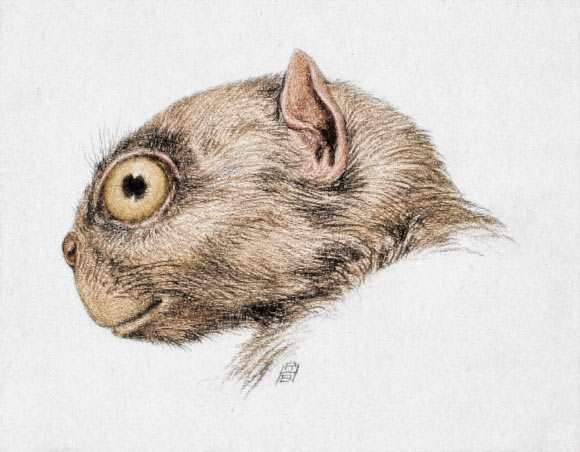
Omnivorous, Rodent-Like Mammal Lived in Dinosaurs’ Shadow on Pacific Coast
Un mammifère omnivore ressemblant à un rongeur vivait dans l’ombre des dinosaures sur la côte du Pacifique
Mexique fossile Dinosauria mammifères nouvelle espèce
Les paléontologues ont décrit une nouvelle espèce du genre de mammifères multituberculés Cimolodon sur la base d'un fossile trouvé en Basse-Californie, au Mexique. L'article Un mammifère omnivore ressemblant à un rongeur vivait dans l'ombre des dinosaures sur la côte du Pacifique est apparu en premier sur Sci.News : Breaking Science News.
29/04/2026 sci-news ⚙ Traduction automatique
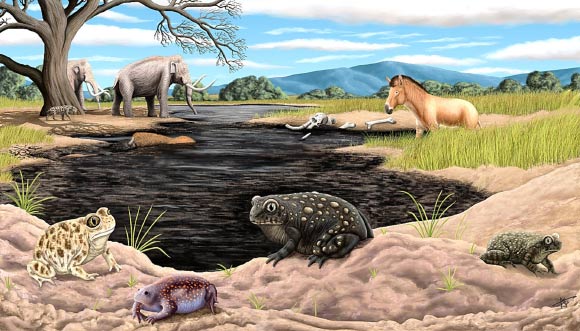
Early Platypuses Had Strong Teeth and Powerful Jaws, Fossils Show
Les premiers ornithorynques avaient des dents solides et des mâchoires puissantes, selon des fossiles
mâchoire dent Australie fossile formation
De nouveaux fossiles de la Formation de Namba, en Australie méridionale, révèlent qu'il y a 25 millions d'années, Obdurodon insignis prospérait dans les lacs intérieurs luxuriants aux côtés de dauphins d'eau douce et d'autres espèces aujourd'hui disparues. L'article Les premiers ornithorynques avaient des dents solides et des mâchoires puissantes, Fossils Show est apparu en premier sur Sci.News : Breaking Science News.
28/04/2026 sci-news ⚙ Traduction automatique
Ce fossile prouve enfin une théorie vieille de 200 ans
reproduction fossile évolution mammifères
Ce petit nodule fossilisé a été découvert en 2008. Il vient seulement de livrer ses secrets : de quoi valider une théorie vieille de près de deux siècles sur l’évolution de la reproduction chez les ancêtres des mammifères.
28/04/2026 sciencesetavenir
Ce petit mammifère a survécu à l'apocalypse des dinosaures et a changé la vie sur Terre
fossile Dinosauria extinction mammifères
Un mammifère préhistorique récemment découvert pourrait détenir des indices sur la façon dont la vie a survécu à l’extinction des dinosaures. La minuscule espèce, Cimolodon desosai, vivait il y a 75 millions d'années et possédait des caractéristiques, comme un petit corps et un régime alimentaire varié, qui augmentaient probablement ses chances de survie. Trouvé en Basse-Californie, le fossile comprend de rares restes squelettiques qui révèlent comment il se déplaçait et vivait. Les chercheurs pensent que sa lignée a aidé les mammifères à endurer l’un des événements les plus meurtriers sur Terre.
27/04/2026 sciencedaily ⚙ Traduction automatique
1 2 3 4 5 6 7 8 9 10 11 12 13 14 15 16 17 18 19 20 21 22 23 24 25 26