←

musée

Type de contenu

415 image(s) · 34 Actualités

Galerie d'images

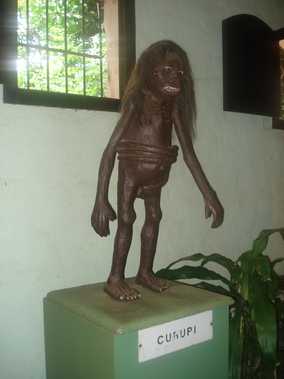
Kurupi, a legendary creature from Guaraní mythology. Mythical Museum Ramón Elías, Capiatá, Paraguay

Kurupi, a legendary creature from Guaraní mythology. Mythical Museum Ramón Elías, Capiatá, Paraguay

musée Paraguay Kurupi
Carnotaurus in Chlupáč museum in Prague
Taxons Carnotaurus

Carnotaurus in Chlupáč museum in Prague

musée Abelisaurinae Brachyrostra Carnotaurinae +3
Carnotaurus in Chlupáč museum in Prague
Taxons Carnotaurinae

Carnotaurus in Chlupáč museum in Prague

musée Abelisaurinae Brachyrostra Carnotaurinae +3
Carnotaurus in Chlupáč museum in Prague
Taxons Brachyrostra

Carnotaurus in Chlupáč museum in Prague

musée Abelisaurinae Brachyrostra Carnotaurinae +3
Carnotaurus in Chlupáč museum in Prague
Taxons Furileusauria

Carnotaurus in Chlupáč museum in Prague

musée Abelisaurinae Brachyrostra Carnotaurinae +3
Carnotaurus in Chlupáč museum in Prague
Taxons Abelisaurinae

Carnotaurus in Chlupáč museum in Prague

musée Abelisaurinae Brachyrostra Carnotaurinae +3
Carnotaurus in Chlupáč museum in Prague
Taxons Carnotaurini

Carnotaurus in Chlupáč museum in Prague

musée Abelisaurinae Brachyrostra Carnotaurinae +3
Becklespinax altispinax holotype BMNH R1828 (originally assigned to Megalosaurus bucklandii). Owen's description follows:
Three anterior dorsal vertebræ : p, parapophysis, or lower transverse process: t, accessory tubercle contributing some attachment to the head of the rib : d, diapophyses, or upper transverse process, fractured, which gave attachment to the tubercle of the rib: b, oblique buttress extending from the parapophysis to the diapophysis, and contributing to the support of the neural platform : z, the prozygapophysis, z', the zygapophysis, forming the ends of the neural platform and articulating the neural arches of the vertebræ with each other, ns, the neural spine of the foremost of these vertebras, ns', the neural spine of the second vertebra; it expands at its extremity, overhangs the anterior shorter spine, and developes a strong bony plate from its back part which fixes it to n", the similarly developed and modified spine of the third vertebra.
The extraordinary size and strength of the spines of these anterior dorsal vertebræ, indicate the great force with which the head and jaws of the Megalosaurus must have been used.

From the Wealden, near Battle. In the Museum of Samuel H. Beckles, Esq., F.G.S.
Taxons Becklespinax

Becklespinax altispinax holotype BMNH R1828 (originally assigned to Megalosaurus bucklandii). Owen's description follows: Three anterior dorsal vertebræ : p, parapophysis, or lower transverse process: t, accessory tubercle contributing some attachment to the head of the rib : d, diapophyses, or upper transverse process, fractured, which gave attachment to the tubercle of the rib: b, oblique buttress extending from the parapophysis to the diapophysis, and contributing to the support of the neural platform : z, the prozygapophysis, z', the zygapophysis, forming the ends of the neural platform and articulating the neural arches of the vertebræ with each other, ns, the neural spine of the foremost of these vertebras, ns', the neural spine of the second vertebra; it expands at its extremity, overhangs the anterior shorter spine, and developes a strong bony plate from its back part which fixes it to n", the similarly developed and modified spine of the third vertebra. The extraordinary size and strength of the spines of these anterior dorsal vertebræ, indicate the great force with which the head and jaws of the Megalosaurus must have been used. From the Wealden, near Battle. In the Museum of Samuel H. Beckles, Esq., F.G.S.

vertèbre description musée Foremost +4
Becklespinax altispinax holotype BMNH R1828 (originally assigned to Megalosaurus bucklandii). Owen's description follows:
Three anterior dorsal vertebræ : p, parapophysis, or lower transverse process: t, accessory tubercle contributing some attachment to the head of the rib : d, diapophyses, or upper transverse process, fractured, which gave attachment to the tubercle of the rib: b, oblique buttress extending from the parapophysis to the diapophysis, and contributing to the support of the neural platform : z, the prozygapophysis, z', the zygapophysis, forming the ends of the neural platform and articulating the neural arches of the vertebræ with each other, ns, the neural spine of the foremost of these vertebras, ns', the neural spine of the second vertebra; it expands at its extremity, overhangs the anterior shorter spine, and developes a strong bony plate from its back part which fixes it to n", the similarly developed and modified spine of the third vertebra.
The extraordinary size and strength of the spines of these anterior dorsal vertebræ, indicate the great force with which the head and jaws of the Megalosaurus must have been used.

From the Wealden, near Battle. In the Museum of Samuel H. Beckles, Esq., F.G.S.
Taxons Altispinax

Becklespinax altispinax holotype BMNH R1828 (originally assigned to Megalosaurus bucklandii). Owen's description follows: Three anterior dorsal vertebræ : p, parapophysis, or lower transverse process: t, accessory tubercle contributing some attachment to the head of the rib : d, diapophyses, or upper transverse process, fractured, which gave attachment to the tubercle of the rib: b, oblique buttress extending from the parapophysis to the diapophysis, and contributing to the support of the neural platform : z, the prozygapophysis, z', the zygapophysis, forming the ends of the neural platform and articulating the neural arches of the vertebræ with each other, ns, the neural spine of the foremost of these vertebras, ns', the neural spine of the second vertebra; it expands at its extremity, overhangs the anterior shorter spine, and developes a strong bony plate from its back part which fixes it to n", the similarly developed and modified spine of the third vertebra. The extraordinary size and strength of the spines of these anterior dorsal vertebræ, indicate the great force with which the head and jaws of the Megalosaurus must have been used. From the Wealden, near Battle. In the Museum of Samuel H. Beckles, Esq., F.G.S.

vertèbre description musée Foremost +4
Central Tibet, Ngor Monastery, circa 1700
Paintings
Mineral pigments on cotton cloth
From the Nasli and Alice Heeramaneck Collection, Museum Associates Purchase (M.77.19.11)
South and Southeast Asian Art

Central Tibet, Ngor Monastery, circa 1700 Paintings Mineral pigments on cotton cloth From the Nasli and Alice Heeramaneck Collection, Museum Associates Purchase (M.77.19.11) South and Southeast Asian Art

musée Mahakala
Zanabanzar self-portrait, late 17th or early 18th century,  mineral pigments on cotton, 64 x 47 cm, Museum of Fine Arts, Ulan Bator

Zanabanzar self-portrait, late 17th or early 18th century, mineral pigments on cotton, 64 x 47 cm, Museum of Fine Arts, Ulan Bator

musée Zanabazar
Youngoolithus xiaguanensis nest on display at the Paleozoological Museum of China.
Taxons Youngoolithus

Youngoolithus xiaguanensis nest on display at the Paleozoological Museum of China.

nid musée Chine Youngoolithidae +1
Youngoolithus xiaguanensis nest on display at the Paleozoological Museum of China.
Taxons Youngoolithidae

Youngoolithus xiaguanensis nest on display at the Paleozoological Museum of China.

nid musée Chine Youngoolithidae +1
Blue Dinosaur Royal Ontario Museum
Taxons Lognkosauria

Blue Dinosaur Royal Ontario Museum

musée États-Unis Argentinosauria Argentinosauridae +3
Blue Dinosaur Royal Ontario Museum
Taxons Argentinosauridae

Blue Dinosaur Royal Ontario Museum

musée États-Unis Argentinosauria Argentinosauridae +3
Blue Dinosaur Royal Ontario Museum
Taxons Argentinosauria

Blue Dinosaur Royal Ontario Museum

musée États-Unis Argentinosauria Argentinosauridae +3
1 2 3 4 5 6 7 8 9 10 11 12 13 14 15 16 17 18 19 20 21 22 23 24 25 26

Actualités

Ce « crocodile terroriste » de 31 pieds mangeait des dinosaures. Maintenant c'est de retour
prédateur musée États-Unis Dinosauria squelette
Un énorme « crocodile terroriste » de la taille d’un bus qui s’attaquait autrefois aux dinosaures a été ramené à la vie avec des détails époustouflants grâce au premier squelette complet scientifiquement précis de Deinosuchus schwimmeri. S'étendant sur plus de 9 mètres de long, cet ancien prédateur suprême régnait sur le sud-est des États-Unis il y a plus de 75 millions d'années. Les visiteurs peuvent désormais le voir de près au Tellus Science Museum, le seul endroit au monde à posséder cette réplique.
15/04/2026 sciencedaily ⚙ Traduction automatique
Cet étrange serpent ancien se cachait dans un musée depuis des décennies
os musée fossile découverte
Un étrange petit fossile de serpent trouvé sur la côte sud de l’Angleterre a enfin révélé ses secrets, plus de 40 ans après sa découverte. Le nouveau Paradoxophidion richardoweni vivait il y a environ 37 millions d’années, à une époque où la Grande-Bretagne était plus chaude et regorgeait de reptiles. Bien que connu uniquement à partir de minuscules os de la colonne vertébrale, ce « serpent paradoxal » présente un mélange surprenant de traits observés chez les serpents modernes, le plaçant près des racines mêmes du groupe de serpents le plus diversifié d’aujourd’hui.
31/12/2025 sciencedaily ⚙ Traduction automatique
Cet os rare résout enfin le mystère du Nanotyrannus
os croissance musée fossile spécimen Nanotyrannus Tyrannosaurus découverte
Les scientifiques ont confirmé que Nanotyrannus était une espèce mature et non un jeune T. rex. Un examen microscopique de son os hyoïde a fourni la preuve clé, correspondant aux signaux de croissance observés dans les spécimens connus de T. rex. Cette découverte suggère un écosystème de tyrannosaures plus riche et plus compétitif qu’on ne le pensait auparavant. Il montre également comment les fossiles de musée et les analyses de pointe peuvent réécrire l’histoire préhistorique.
09/12/2025 sciencedaily ⚙ Traduction automatique
Langebaanweg Partie 3 – Une archive animale
musée fossile
Bien que nous ayons discuté de l'importance du Langebaanweg en termes de sa position géologique et de son histoire, ce qui le rend vraiment célèbre est l'incroyable taille et la diversité de son assemblage de fossiles. Au cours des 60 dernières années, les collections du musée Iziko du Cap ont été remplies d'un [&hellip
22/08/2025 palaeocast ⚙ Traduction automatique
1 2 3 4 5 6 7