extinction

Theme

7 image(s) · 20 News

Image gallery

Calvarius is a genus of styracosternan ornithopod from the Late Cretaceous of Spain. The name alludes to its chronostratigraphic proximity to the extinction event that wiped out the non-avian dinosaurs at the end of the Cretaceous. The highly modified metatarsal that is known from shows an example of convergent evolution, as it is more similar to non-iguanodontian ornithopods than to other styracosternans. It is thought that this is due to fulfilling a niche in its island habitat, resulting in Calvarius becoming a small-bodied animal, capable of rapid locomotion.
Taxa Calvarius

Calvarius is a genus of styracosternan ornithopod from the Late Cretaceous of Spain. The name alludes to its chronostratigraphic proximity to the extinction event that wiped out the non-avian dinosaurs at the end of the Cretaceous. The highly modified metatarsal that is known from shows an example of convergent evolution, as it is more similar to non-iguanodontian ornithopods than to other styracosternans. It is thought that this is due to fulfilling a niche in its island habitat, resulting in Calvarius becoming a small-bodied animal, capable of rapid locomotion.

locomotion Spain Cretaceous Late Cretaceous +6
Holotype of Alcione elainus.
Fig. 6 of:
Longrich, N. R., Martill, D. M., & Andres, B. (2018). Late Maastrichtian pterosaurs from North Africa and mass extinction of Pterosauria at the Cretaceous-Paleogene boundary. PLoS biology, 16(3), e2001663.
---
Original figure legend:
A. elainus FSAC-OB 2, holotype partial skeleton and FSAC-OB 217, metacarpal IV.

(A) Holotype right humerus in anterior view, (B) holotype right ulna and radius in anterior view, respectively, (C) holotype sternum in left lateral view, (D) referred metacarpal IV, (E) holotype, distal end of left metacarpal IV and left scapulocoracoid, and (F) holotype right femur in posterior view. Abbreviations: co, coracoid; cr, cristospine; dc, distal condyle; dpc, deltopectoral crest; ect, ectepicondyle; fh, femoral head; gl, glenoid; gt, greater trochanter; hh, humeral head; hum, humerus; mcIV, metacarpal IV, pc, proximal cotyle; pf, pneumatic foramen; rad, radius; scpr, supracondylar process; ste, sternum; uln, ulna.
Taxa Alcione

Holotype of Alcione elainus. Fig. 6 of: Longrich, N. R., Martill, D. M., & Andres, B. (2018). Late Maastrichtian pterosaurs from North Africa and mass extinction of Pterosauria at the Cretaceous-Paleogene boundary. PLoS biology, 16(3), e2001663. --- Original figure legend: A. elainus FSAC-OB 2, holotype partial skeleton and FSAC-OB 217, metacarpal IV. (A) Holotype right humerus in anterior view, (B) holotype right ulna and radius in anterior view, respectively, (C) holotype sternum in left lateral view, (D) referred metacarpal IV, (E) holotype, distal end of left metacarpal IV and left scapulocoracoid, and (F) holotype right femur in posterior view. Abbreviations: co, coracoid; cr, cristospine; dc, distal condyle; dpc, deltopectoral crest; ect, ectepicondyle; fh, femoral head; gl, glenoid; gt, greater trochanter; hh, humeral head; hum, humerus; mcIV, metacarpal IV, pc, proximal cotyle; pf, pneumatic foramen; rad, radius; scpr, supracondylar process; ste, sternum; uln, ulna.

crest humerus Cretaceous Maastrichtian +7
Interpretation of the Hirnantian extinction and replacement of the Diplograptina (black) by the Neograptina (gray) (adapted from Bapst & others, 2012, fig. 1).
Intervals Hirnantian

Interpretation of the Hirnantian extinction and replacement of the Diplograptina (black) by the Neograptina (gray) (adapted from Bapst & others, 2012, fig. 1).

Hirnantian extinction
Figure 1. Evolution of macroecological traits in Dinosauria. Large scale event in dinosaur evolution (a); the origin of dinosaurs (star), hyperthermals (volcano), the earliest fossil Avialae (bird), the earliest fossil angiosperm (flower), the Cretaceous/Palaeogene mass extinction (asteroid). Phylogeny of dinosaurs (b) redrawn from Sereno and adapted to the current consensus and upon which an ancestral state reconstruction of temperature niche (mean annual temperature) after Chiarenza et al. is plotted; Mesozoic palaeogeographies (c) for Triassic (T), Jurassic (J) and Cretaceous (K). Silhouette colours symbolize body mass for each of the taxa represented; information on dietary habits are plotted after Barrett and Zanno & Makovicky; numbers represent clades discussed through this study: 1, Ornithischia; 2, Thyreophora; 3, Ornithopoda; 4, Hadrosauroidea; 5, Marginocephalia; 6, Ceratopsia; 7, Saurischia; 8, Sauropodomorpha; 9, Sauropoda; 10, Theropoda; 11, Ceratosauria; 12, Tetanurae; 13, Coelurosauria; 14, Maniraptoriformes; 15, Maniraptora; 16, Deinonychosauria; 17, Avialae; 18, Ornithothoraces. Palaeogeographies modified from original plots via R package ‘mapast’ using plate models by Scotese.

Figure 1. Evolution of macroecological traits in Dinosauria. Large scale event in dinosaur evolution (a); the origin of dinosaurs (star), hyperthermals (volcano), the earliest fossil Avialae (bird), the earliest fossil angiosperm (flower), the Cretaceous/Palaeogene mass extinction (asteroid). Phylogeny of dinosaurs (b) redrawn from Sereno and adapted to the current consensus and upon which an ancestral state reconstruction of temperature niche (mean annual temperature) after Chiarenza et al. is plotted; Mesozoic palaeogeographies (c) for Triassic (T), Jurassic (J) and Cretaceous (K). Silhouette colours symbolize body mass for each of the taxa represented; information on dietary habits are plotted after Barrett and Zanno & Makovicky; numbers represent clades discussed through this study: 1, Ornithischia; 2, Thyreophora; 3, Ornithopoda; 4, Hadrosauroidea; 5, Marginocephalia; 6, Ceratopsia; 7, Saurischia; 8, Sauropodomorpha; 9, Sauropoda; 10, Theropoda; 11, Ceratosauria; 12, Tetanurae; 13, Coelurosauria; 14, Maniraptoriformes; 15, Maniraptora; 16, Deinonychosauria; 17, Avialae; 18, Ornithothoraces. Palaeogeographies modified from original plots via R package ‘mapast’ using plate models by Scotese.

scale Cretaceous Jurassic Mesozoic +23
Holotype of Alcione elainus.
Fig. 6 of:
Longrich, N. R., Martill, D. M., & Andres, B. (2018). Late Maastrichtian pterosaurs from North Africa and mass extinction of Pterosauria at the Cretaceous-Paleogene boundary. PLoS biology, 16(3), e2001663.
---
Original figure legend:
A. elainus FSAC-OB 2, holotype partial skeleton and FSAC-OB 217, metacarpal IV.

(A) Holotype right humerus in anterior view, (B) holotype right ulna and radius in anterior view, respectively, (C) holotype sternum in left lateral view, (D) referred metacarpal IV, (E) holotype, distal end of left metacarpal IV and left scapulocoracoid, and (F) holotype right femur in posterior view. Abbreviations: co, coracoid; cr, cristospine; dc, distal condyle; dpc, deltopectoral crest; ect, ectepicondyle; fh, femoral head; gl, glenoid; gt, greater trochanter; hh, humeral head; hum, humerus; mcIV, metacarpal IV, pc, proximal cotyle; pf, pneumatic foramen; rad, radius; scpr, supracondylar process; ste, sternum; uln, ulna.

Holotype of Alcione elainus. Fig. 6 of: Longrich, N. R., Martill, D. M., & Andres, B. (2018). Late Maastrichtian pterosaurs from North Africa and mass extinction of Pterosauria at the Cretaceous-Paleogene boundary. PLoS biology, 16(3), e2001663. --- Original figure legend: A. elainus FSAC-OB 2, holotype partial skeleton and FSAC-OB 217, metacarpal IV. (A) Holotype right humerus in anterior view, (B) holotype right ulna and radius in anterior view, respectively, (C) holotype sternum in left lateral view, (D) referred metacarpal IV, (E) holotype, distal end of left metacarpal IV and left scapulocoracoid, and (F) holotype right femur in posterior view. Abbreviations: co, coracoid; cr, cristospine; dc, distal condyle; dpc, deltopectoral crest; ect, ectepicondyle; fh, femoral head; gl, glenoid; gt, greater trochanter; hh, humeral head; hum, humerus; mcIV, metacarpal IV, pc, proximal cotyle; pf, pneumatic foramen; rad, radius; scpr, supracondylar process; ste, sternum; uln, ulna.

crest humerus Cretaceous Maastrichtian +7
Holotype of Alcione elainus.
Fig. 6 of:
Longrich, N. R., Martill, D. M., & Andres, B. (2018). Late Maastrichtian pterosaurs from North Africa and mass extinction of Pterosauria at the Cretaceous-Paleogene boundary. PLoS biology, 16(3), e2001663.
---
Original figure legend:
A. elainus FSAC-OB 2, holotype partial skeleton and FSAC-OB 217, metacarpal IV.

(A) Holotype right humerus in anterior view, (B) holotype right ulna and radius in anterior view, respectively, (C) holotype sternum in left lateral view, (D) referred metacarpal IV, (E) holotype, distal end of left metacarpal IV and left scapulocoracoid, and (F) holotype right femur in posterior view. Abbreviations: co, coracoid; cr, cristospine; dc, distal condyle; dpc, deltopectoral crest; ect, ectepicondyle; fh, femoral head; gl, glenoid; gt, greater trochanter; hh, humeral head; hum, humerus; mcIV, metacarpal IV, pc, proximal cotyle; pf, pneumatic foramen; rad, radius; scpr, supracondylar process; ste, sternum; uln, ulna.

Holotype of Alcione elainus. Fig. 6 of: Longrich, N. R., Martill, D. M., & Andres, B. (2018). Late Maastrichtian pterosaurs from North Africa and mass extinction of Pterosauria at the Cretaceous-Paleogene boundary. PLoS biology, 16(3), e2001663. --- Original figure legend: A. elainus FSAC-OB 2, holotype partial skeleton and FSAC-OB 217, metacarpal IV. (A) Holotype right humerus in anterior view, (B) holotype right ulna and radius in anterior view, respectively, (C) holotype sternum in left lateral view, (D) referred metacarpal IV, (E) holotype, distal end of left metacarpal IV and left scapulocoracoid, and (F) holotype right femur in posterior view. Abbreviations: co, coracoid; cr, cristospine; dc, distal condyle; dpc, deltopectoral crest; ect, ectepicondyle; fh, femoral head; gl, glenoid; gt, greater trochanter; hh, humeral head; hum, humerus; mcIV, metacarpal IV, pc, proximal cotyle; pf, pneumatic foramen; rad, radius; scpr, supracondylar process; ste, sternum; uln, ulna.

crest humerus Cretaceous Maastrichtian +7
Life restoration of the Triassic ichthyosaur Qianichthyosaurus xingyiensis.
References
Motani, Ryosuke; Jiang, Da-yong; Tintori, Andrea; Ji, Cheng; Huang, Jian-dong (2017). "Pre- versus post-mass extinction divergence of Mesozoic marine reptiles dictated by time-scale dependence of evolutionary rates". Proceedings of the Royal Society B 284 (1854): 20170241. DOI:10.1098/rspb.2017.0241.

Life restoration of the Triassic ichthyosaur Qianichthyosaurus xingyiensis. References Motani, Ryosuke; Jiang, Da-yong; Tintori, Andrea; Ji, Cheng; Huang, Jian-dong (2017). "Pre- versus post-mass extinction divergence of Mesozoic marine reptiles dictated by time-scale dependence of evolutionary rates". Proceedings of the Royal Society B 284 (1854): 20170241. DOI:10.1098/rspb.2017.0241.

scale Mesozoic Triassic Ichthyosauria +3

News

Ce que l’on vient d’apprendre sur l’astéroïde des dinosaures rend leur extinction encore plus terrifiante !
What we just learned about the dinosaur asteroid makes their extinction even more terrifying!
scale Dinosauria extinction
66 million years ago, a large asteroid hit Earth, triggering one of the greatest crises in its history. But could the cataclysm have caused spontaneous fires on a planetary scale? New work provides surprising elements on the role played by...
28/07/2026 futura-terre ⚙ Auto-translated
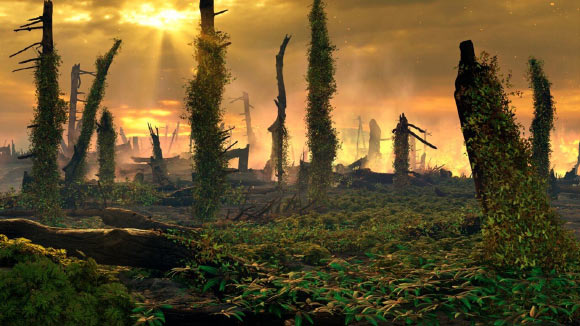
Fern-Fueled Wildfires Raged across Europe for Millennia during End-Triassic Mass Extinction
Triassic extinction study
A 201-million-year-old climate catastrophe turned Europe into a landscape of fern savannahs that repeatedly caught fire, according to new research published in the journal Nature Geoscience. The post Fern-Fueled Wildfires Raged across Europe for Millennia during End-Triassic Mass Extinction appeared first on Sci.News: Breaking Science News.
23/07/2026 sci-news
Ancient ferns turned Triassic Europe into a wildfire inferno
Triassic fossil extinction
Ancient fern savannahs may have transformed parts of Europe into a wildfire-prone inferno during the end-Triassic mass extinction. New fossil evidence suggests the ferns repeatedly regrew after fires, creating fresh fuel that helped prolong the devastation.
22/07/2026 sciencedaily
L’astéroïde qui a exterminé les dinosaures n’était peut-être pas celui que les scientifiques imaginaient
The asteroid that wiped out the dinosaurs may not have been the one scientists imagined
Late Cretaceous Dinosauria extinction geology isotope
For more than forty years, scientists have known that an asteroid caused the extinction of the dinosaurs. But what type of asteroid was it exactly? Thanks to a new method based on nickel isotopes, researchers believe they have finally identified the family of...
17/07/2026 futura-terre ⚙ Auto-translated
Scientists finally solved the mystery of Earth's greatest mass extinction
metabolism extinction study
Why do beaches today have seashells from clams and snails instead of brachiopods? A new study suggests the answer lies in Earth's greatest mass extinction, when warming oceans and falling oxygen levels wiped out animals that couldn't adapt. Species with body plans and metabolisms better suited to the changing conditions survived and went on to dominate the seas, offering a glimpse of how modern marine life could respond to climate change.
12/07/2026 sciencedaily
1 2 3 4