écologie

Comportement & Physiologie

3 image(s) · 4 Actualités

Galerie d'images

Life restoration of the mosasaurine mosasaurid Eremiasaurus, with unknown portions and soft tissues based primarily on Prognathodon and supplemented with Mosasaurus where needed.
References
Leblanc, A.R.H.; Caldwell, M.W.; Bardet, N. (2012). "A new mosasaurine from the Maastrichtian (Upper Cretaceous) phosphates of Morocco and its implications for mosasaurine systematics". Journal of Vertebrate Paleontology 32 (1): 82–104.
Lindgren, J.; Kaddumi, H.; Polcyn, M. (2013). "Soft tissue preservation in a fossil marine lizard with a bilobed tail fin". Nature Communications 4: 2423. DOI:10.1038/ncomms3423.
Konishi, T.; Brinkman, D.; Massare, J.A.; Caldwell, M.W. (2011). "New exceptional specimens of Prognathodon overtoni (Squamata, Mosasauridae) from the upper Campanian of Alberta, Canada, and the systematics and ecology of the genus". Journal of Vertebrate Paleontology 31 (5): 1026–1046.
Russell, D.A. (1967). "Systematics and morphology of American mosasaurs". Bulletin of the Peabody Museum of Natural History 23: 1–241.

Life restoration of the mosasaurine mosasaurid Eremiasaurus, with unknown portions and soft tissues based primarily on Prognathodon and supplemented with Mosasaurus where needed. References Leblanc, A.R.H.; Caldwell, M.W.; Bardet, N. (2012). "A new mosasaurine from the Maastrichtian (Upper Cretaceous) phosphates of Morocco and its implications for mosasaurine systematics". Journal of Vertebrate Paleontology 32 (1): 82–104. Lindgren, J.; Kaddumi, H.; Polcyn, M. (2013). "Soft tissue preservation in a fossil marine lizard with a bilobed tail fin". Nature Communications 4: 2423. DOI:10.1038/ncomms3423. Konishi, T.; Brinkman, D.; Massare, J.A.; Caldwell, M.W. (2011). "New exceptional specimens of Prognathodon overtoni (Squamata, Mosasauridae) from the upper Campanian of Alberta, Canada, and the systematics and ecology of the genus". Journal of Vertebrate Paleontology 31 (5): 1026–1046. Russell, D.A. (1967). "Systematics and morphology of American mosasaurs". Bulletin of the Peabody Museum of Natural History 23: 1–241.

tissus écologie musée Canada +11
Map of the Late Cretaceous (90 Ma)
Intervalles Turonian

Map of the Late Cretaceous (90 Ma)

écologie évolution
Life restoration of the mosasaurine mosasaurid Eremiasaurus, with unknown portions and soft tissues based primarily on Prognathodon and supplemented with Mosasaurus where needed.
References
Leblanc, A.R.H.; Caldwell, M.W.; Bardet, N. (2012). "A new mosasaurine from the Maastrichtian (Upper Cretaceous) phosphates of Morocco and its implications for mosasaurine systematics". Journal of Vertebrate Paleontology 32 (1): 82–104.
Lindgren, J.; Kaddumi, H.; Polcyn, M. (2013). "Soft tissue preservation in a fossil marine lizard with a bilobed tail fin". Nature Communications 4: 2423. DOI:10.1038/ncomms3423.
Konishi, T.; Brinkman, D.; Massare, J.A.; Caldwell, M.W. (2011). "New exceptional specimens of Prognathodon overtoni (Squamata, Mosasauridae) from the upper Campanian of Alberta, Canada, and the systematics and ecology of the genus". Journal of Vertebrate Paleontology 31 (5): 1026–1046.
Russell, D.A. (1967). "Systematics and morphology of American mosasaurs". Bulletin of the Peabody Museum of Natural History 23: 1–241.
Taxons Eremiasaurus

Life restoration of the mosasaurine mosasaurid Eremiasaurus, with unknown portions and soft tissues based primarily on Prognathodon and supplemented with Mosasaurus where needed. References Leblanc, A.R.H.; Caldwell, M.W.; Bardet, N. (2012). "A new mosasaurine from the Maastrichtian (Upper Cretaceous) phosphates of Morocco and its implications for mosasaurine systematics". Journal of Vertebrate Paleontology 32 (1): 82–104. Lindgren, J.; Kaddumi, H.; Polcyn, M. (2013). "Soft tissue preservation in a fossil marine lizard with a bilobed tail fin". Nature Communications 4: 2423. DOI:10.1038/ncomms3423. Konishi, T.; Brinkman, D.; Massare, J.A.; Caldwell, M.W. (2011). "New exceptional specimens of Prognathodon overtoni (Squamata, Mosasauridae) from the upper Campanian of Alberta, Canada, and the systematics and ecology of the genus". Journal of Vertebrate Paleontology 31 (5): 1026–1046. Russell, D.A. (1967). "Systematics and morphology of American mosasaurs". Bulletin of the Peabody Museum of Natural History 23: 1–241.

tissus écologie musée Canada +11

Actualités

Why Were There No Tiny Non-Avian Dinosaurs? Mammals May Have Been to Blame
Pourquoi n’y avait-il pas de petits dinosaures non aviaires ? Les mammifères pourraient être à blâmer
écologie prédateur reproduction Dinosauria évolution mammifères
Les dinosaures ont évolué pour devenir certains des plus grands animaux ayant jamais foulé la Terre, mais un nouveau modèle mathématique suggère que les premiers mammifères les auraient chassés des niches écologiques réservées aux plus petites créatures. Cet article, intitulé « Pourquoi n'y avait-il pas de minuscules dinosaures non aviens ? Les mammifères en seraient-ils responsables ? », a été initialement publié sur Sci.News: Breaking Science News.
10/08/2026 sci-news ⚙ Traduction automatique
Les dinosaures sont devenus des géants – alors pourquoi ne sont-ils jamais devenus minuscules ?
écologie croissance Dinosauria évolution mammifères
Les dinosaures ont conquis la terre à des tailles énormes, mais étrangement, ils n'ont presque jamais évolué pour devenir de véritables animaux minuscules. De nouvelles recherches suggèrent que la physiologie à elle seule ne peut pas expliquer cette extrémité miniature manquante du spectre des dinosaures et que les premiers mammifères pourraient en être en partie responsables. Alors que les dinosaures empêchaient les mammifères de devenir grands, les petits mammifères pourraient leur rendre la pareille en occupant des niches écologiques qui auraient autrement pu accueillir des dinosaures de la taille d'une souris.
09/08/2026 sciencedaily ⚙ Traduction automatique
Des loups vieux de 5 000 ans découverts sur une île isolée réécrivent ce que nous savons sur la domestication
écologie alimentation Homo sapiens mammifères
Les scientifiques ont découvert d'anciens loups sur une petite île de la Baltique où seuls des humains pouvaient les amener, ce qui suggère une relation étonnamment étroite entre les humains et les loups il y a des milliers d'années. Les preuves indiquent que les loups étaient nourris, éventuellement soignés, et pourraient même avoir été gérés ou élevés de manière sélective bien avant les idées modernes de domestication.
05/07/2026 sciencedaily ⚙ Traduction automatique
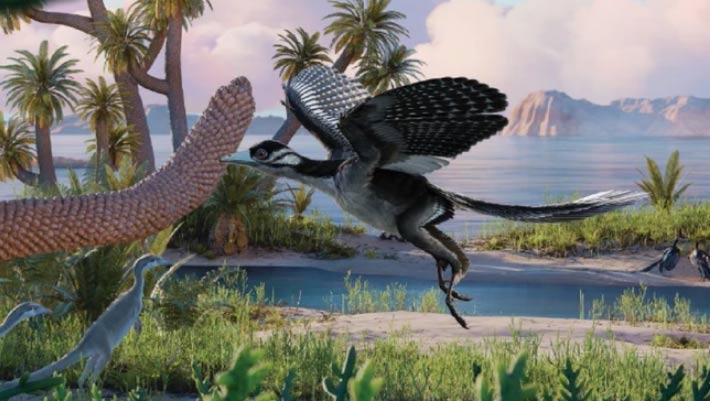
Paleontologists Reconstruct Ecology of Archaeopteryx
Des paléontologues reconstituent l'écologie de l'archéoptéryx
écologie musée fossile Archaeopteryx comportement étude
Une nouvelle étude complète réalisée par les paléontologues du Field Museum of Natural History rassemble les dernières preuves fossiles pour offrir le portrait le plus complet à ce jour de l’écologie, du comportement et de la vie quotidienne de l’Archaeopteryx. L'article Les paléontologues reconstruisent l'écologie de l'archéoptéryx apparaît en premier sur Sci.News : Breaking Science News.
08/05/2026 sci-news ⚙ Traduction automatique