ecology

Behavior & Physiology

3 image(s) · 4 News

Image gallery

Life restoration of the mosasaurine mosasaurid Eremiasaurus, with unknown portions and soft tissues based primarily on Prognathodon and supplemented with Mosasaurus where needed.
References
Leblanc, A.R.H.; Caldwell, M.W.; Bardet, N. (2012). "A new mosasaurine from the Maastrichtian (Upper Cretaceous) phosphates of Morocco and its implications for mosasaurine systematics". Journal of Vertebrate Paleontology 32 (1): 82–104.
Lindgren, J.; Kaddumi, H.; Polcyn, M. (2013). "Soft tissue preservation in a fossil marine lizard with a bilobed tail fin". Nature Communications 4: 2423. DOI:10.1038/ncomms3423.
Konishi, T.; Brinkman, D.; Massare, J.A.; Caldwell, M.W. (2011). "New exceptional specimens of Prognathodon overtoni (Squamata, Mosasauridae) from the upper Campanian of Alberta, Canada, and the systematics and ecology of the genus". Journal of Vertebrate Paleontology 31 (5): 1026–1046.
Russell, D.A. (1967). "Systematics and morphology of American mosasaurs". Bulletin of the Peabody Museum of Natural History 23: 1–241.

Life restoration of the mosasaurine mosasaurid Eremiasaurus, with unknown portions and soft tissues based primarily on Prognathodon and supplemented with Mosasaurus where needed. References Leblanc, A.R.H.; Caldwell, M.W.; Bardet, N. (2012). "A new mosasaurine from the Maastrichtian (Upper Cretaceous) phosphates of Morocco and its implications for mosasaurine systematics". Journal of Vertebrate Paleontology 32 (1): 82–104. Lindgren, J.; Kaddumi, H.; Polcyn, M. (2013). "Soft tissue preservation in a fossil marine lizard with a bilobed tail fin". Nature Communications 4: 2423. DOI:10.1038/ncomms3423. Konishi, T.; Brinkman, D.; Massare, J.A.; Caldwell, M.W. (2011). "New exceptional specimens of Prognathodon overtoni (Squamata, Mosasauridae) from the upper Campanian of Alberta, Canada, and the systematics and ecology of the genus". Journal of Vertebrate Paleontology 31 (5): 1026–1046. Russell, D.A. (1967). "Systematics and morphology of American mosasaurs". Bulletin of the Peabody Museum of Natural History 23: 1–241.

tissue ecology museum Canada +11
Map of the Late Cretaceous (90 Ma)
Intervals Turonian

Map of the Late Cretaceous (90 Ma)

ecology evolution
Life restoration of the mosasaurine mosasaurid Eremiasaurus, with unknown portions and soft tissues based primarily on Prognathodon and supplemented with Mosasaurus where needed.
References
Leblanc, A.R.H.; Caldwell, M.W.; Bardet, N. (2012). "A new mosasaurine from the Maastrichtian (Upper Cretaceous) phosphates of Morocco and its implications for mosasaurine systematics". Journal of Vertebrate Paleontology 32 (1): 82–104.
Lindgren, J.; Kaddumi, H.; Polcyn, M. (2013). "Soft tissue preservation in a fossil marine lizard with a bilobed tail fin". Nature Communications 4: 2423. DOI:10.1038/ncomms3423.
Konishi, T.; Brinkman, D.; Massare, J.A.; Caldwell, M.W. (2011). "New exceptional specimens of Prognathodon overtoni (Squamata, Mosasauridae) from the upper Campanian of Alberta, Canada, and the systematics and ecology of the genus". Journal of Vertebrate Paleontology 31 (5): 1026–1046.
Russell, D.A. (1967). "Systematics and morphology of American mosasaurs". Bulletin of the Peabody Museum of Natural History 23: 1–241.
Taxa Eremiasaurus

Life restoration of the mosasaurine mosasaurid Eremiasaurus, with unknown portions and soft tissues based primarily on Prognathodon and supplemented with Mosasaurus where needed. References Leblanc, A.R.H.; Caldwell, M.W.; Bardet, N. (2012). "A new mosasaurine from the Maastrichtian (Upper Cretaceous) phosphates of Morocco and its implications for mosasaurine systematics". Journal of Vertebrate Paleontology 32 (1): 82–104. Lindgren, J.; Kaddumi, H.; Polcyn, M. (2013). "Soft tissue preservation in a fossil marine lizard with a bilobed tail fin". Nature Communications 4: 2423. DOI:10.1038/ncomms3423. Konishi, T.; Brinkman, D.; Massare, J.A.; Caldwell, M.W. (2011). "New exceptional specimens of Prognathodon overtoni (Squamata, Mosasauridae) from the upper Campanian of Alberta, Canada, and the systematics and ecology of the genus". Journal of Vertebrate Paleontology 31 (5): 1026–1046. Russell, D.A. (1967). "Systematics and morphology of American mosasaurs". Bulletin of the Peabody Museum of Natural History 23: 1–241.

tissue ecology museum Canada +11

News

Why Were There No Tiny Non-Avian Dinosaurs? Mammals May Have Been to Blame
ecology predator reproduction Dinosauria evolution mammals
Dinosaurs evolved into some of the largest animals ever to walk the Earth, but a new mathematical model suggests that early mammals may have crowded them out of the ecological niches reserved for the smallest creatures. The post Why Were There No Tiny Non-Avian Dinosaurs? Mammals May Have Been to Blame appeared first on Sci.News: Breaking Science News.
10/08/2026 sci-news
Dinosaurs became giants — so why did they never become tiny?
ecology growth Dinosauria evolution mammals
Dinosaurs conquered the land at enormous sizes, but strangely, they almost never evolved into truly tiny animals. New research suggests that physiology alone can’t explain this missing miniature end of the dinosaur spectrum—and that early mammals may have been partly responsible. While dinosaurs kept mammals from becoming large, small mammals may have returned the favor by occupying ecological niches that could otherwise have supported mouse-sized dinosaurs.
09/08/2026 sciencedaily
5,000-year-old wolves found on remote island rewrite what we know about domestication
ecology feeding Homo sapiens mammals
Scientists discovered ancient wolves on a tiny Baltic island where they could only have been brought by humans, suggesting an unexpectedly close relationship between people and wolves thousands of years ago. Evidence indicates the wolves were fed, possibly cared for, and may even have been managed or selectively bred long before modern ideas of domestication.
05/07/2026 sciencedaily
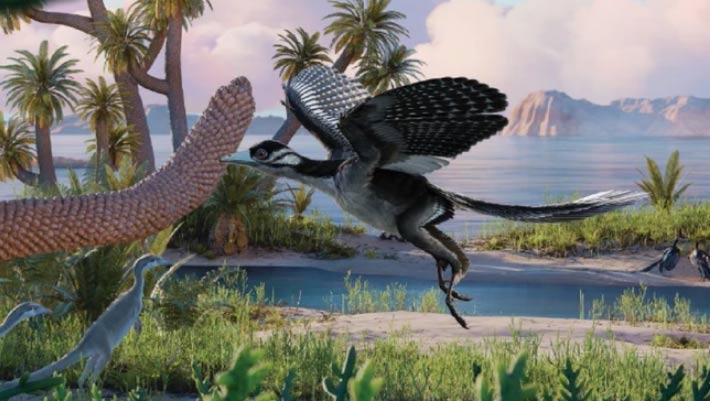
Paleontologists Reconstruct Ecology of Archaeopteryx
ecology museum fossil Archaeopteryx behavior study
A comprehensive new review by Field Museum of Natural History paleontologists draws together the latest fossil evidence to offer the most complete portrait to date of Archaeopteryx’s ecology, behavior, and daily life. The post Paleontologists Reconstruct Ecology of Archaeopteryx appeared first on Sci.News: Breaking Science News.
08/05/2026 sci-news