←

écaille

Partie anatomique

217 image(s) · 21 Actualités

Galerie d'images

Camposipterus nasutus comb. n. Holotype CAMSM B 54556 (Albian, Cambridge Greensand), anterior part of the rostrum A left lateral view B respective line drawing C ventral view D respective line drawing. Abbreviations: m – maxillae, pm – premaxillae, prid – palatal ridge. Arrows and numbers indicate alveoli or teeth and their respective position. Scale bar = 10 mm.
Taxons Camposipterus

Camposipterus nasutus comb. n. Holotype CAMSM B 54556 (Albian, Cambridge Greensand), anterior part of the rostrum A left lateral view B respective line drawing C ventral view D respective line drawing. Abbreviations: m – maxillae, pm – premaxillae, prid – palatal ridge. Arrows and numbers indicate alveoli or teeth and their respective position. Scale bar = 10 mm.

écaille dessin Albien holotype +1
Exposed elements of H. escuilliei holotype; ep epicleideum, st sternal plates. Scale bar: 70 mm.
Taxons Halszkaraptorinae

Exposed elements of H. escuilliei holotype; ep epicleideum, st sternal plates. Scale bar: 70 mm.

écaille holotype Barsboldia Halszkaraptor +2
Exposed elements of H. escuilliei holotype; ep epicleideum, st sternal plates. Scale bar: 70 mm.
Taxons Halszkaraptor

Exposed elements of H. escuilliei holotype; ep epicleideum, st sternal plates. Scale bar: 70 mm.

écaille holotype Barsboldia Halszkaraptor +2
Stratigraphy of the Upper Cretaceous Neuquén Group (after Garrido) indicating stratigraphic positions of definitive unenlagiine taxa (modified from Gianechini and Gianechini & Apesteguía). Skeletal reconstructions to approximate scale, redrawn and/or modified from works by Scott Hartman (Buitreraptor gonzalezorum, Austroraptor cabazai), Gabriel Lio (Unenlagia comahuensis, Neuquenraptor argentinus, Unenlagia paynemili), and Jaime Headden (Pamparaptor micros, Diuqin lechiguanae), used with permission
Taxons Unenlagiinae

Stratigraphy of the Upper Cretaceous Neuquén Group (after Garrido) indicating stratigraphic positions of definitive unenlagiine taxa (modified from Gianechini and Gianechini & Apesteguía). Skeletal reconstructions to approximate scale, redrawn and/or modified from works by Scott Hartman (Buitreraptor gonzalezorum, Austroraptor cabazai), Gabriel Lio (Unenlagia comahuensis, Neuquenraptor argentinus, Unenlagia paynemili), and Jaime Headden (Pamparaptor micros, Diuqin lechiguanae), used with permission

écaille Crétacé Austroraptor Buitreraptor +6
Cranium of Sarmientosaurus musacchioi gen. et sp. nov. (MDT-PV 2).

Photographs (A, C) and interpretive drawing (B) in right lateral (A, B) and left lateral (C) views. Abbreviations see text. Scale bar = 10 cm.
Taxons Diamantinasauria

Cranium of Sarmientosaurus musacchioi gen. et sp. nov. (MDT-PV 2). Photographs (A, C) and interpretive drawing (B) in right lateral (A, B) and left lateral (C) views. Abbreviations see text. Scale bar = 10 cm.

écaille dessin Diamantinasauria Sarmientosaurus
Cranium of Sarmientosaurus musacchioi gen. et sp. nov. (MDT-PV 2).

Photographs (A, C) and interpretive drawing (B) in right lateral (A, B) and left lateral (C) views. Abbreviations see text. Scale bar = 10 cm.
Taxons Sarmientosaurus

Cranium of Sarmientosaurus musacchioi gen. et sp. nov. (MDT-PV 2). Photographs (A, C) and interpretive drawing (B) in right lateral (A, B) and left lateral (C) views. Abbreviations see text. Scale bar = 10 cm.

écaille dessin Diamantinasauria Sarmientosaurus
Kronosaurus queenslandicus (QM F18827; proposed neotype [part]) skull in dorsal view (modified from McHenry Citation2009). Scale = 30 cm.
Taxons Kronosaurus

Kronosaurus queenslandicus (QM F18827; proposed neotype [part]) skull in dorsal view (modified from McHenry Citation2009). Scale = 30 cm.

écaille Kronosaurus crâne
Carinodens acrodon holotype left maxilla (MHNM.KHG.1510) (A) compared to Xenodens calminechari holotype left maxilla (MHNM.KHG.331) (B), in lateral view; both from Sidi Chennane, Oulad Abdoun Basin, Morocco; Phosphates, Upper Couche III, uppermost Maastrichtian [9,24]. Scales = 50 mm.
Taxons Carinodens

Carinodens acrodon holotype left maxilla (MHNM.KHG.1510) (A) compared to Xenodens calminechari holotype left maxilla (MHNM.KHG.331) (B), in lateral view; both from Sidi Chennane, Oulad Abdoun Basin, Morocco; Phosphates, Upper Couche III, uppermost Maastrichtian [9,24]. Scales = 50 mm.

écaille Maroc Maastrichtien holotype +2
Vertebrae of Gualicho shinyae from the fossil collection of the Museo patagónico de ciencias naturales Juan Carlos Salgado, General Roca, Río Negro. Scale as size reference.

Vertebrae of Gualicho shinyae from the fossil collection of the Museo patagónico de ciencias naturales Juan Carlos Salgado, General Roca, Río Negro. Scale as size reference.

écaille fossile Gualicho
Silesaurid left dentaries.

(A) Kwanasaurus williamparkeri (based primarily on DMNH EPV.63136) in lateral view, (B) same in medial view, (C) Asilisaurus kongwe (NMT R89) in lateral view, (D) same in medial view, (E) Eucoelophysis baldwini (GR 224) in lateral view, (F) same in medial view, (G) Technosaurus smalli (TTU P-9021, reversed) in lateral view, (H) same in medial view (also reversed), (I) Sacisaurus agudoensis (composite based on MCN PV10042 and MCN PV10043) in lateral view, (J) same in medial view, (K) Silesaurus opolensis (ZPAL AbIII/361/26) in lateral view, (L) same in medial view, (M) Diodorus scytobrachion (MNHM-ARG 30) in lateral view (reversed), (N) same in medial view (also reversed), (O) Soumyasaurus aenigmaticus (TTU-P1125b) in lateral view, (P) same in medial view. Dashed lines indicate broken edges. Unshaded regions indicate the surface of the specimen is not exposed. All scale bars = 1 cm.

Silesaurid left dentaries. (A) Kwanasaurus williamparkeri (based primarily on DMNH EPV.63136) in lateral view, (B) same in medial view, (C) Asilisaurus kongwe (NMT R89) in lateral view, (D) same in medial view, (E) Eucoelophysis baldwini (GR 224) in lateral view, (F) same in medial view, (G) Technosaurus smalli (TTU P-9021, reversed) in lateral view, (H) same in medial view (also reversed), (I) Sacisaurus agudoensis (composite based on MCN PV10042 and MCN PV10043) in lateral view, (J) same in medial view, (K) Silesaurus opolensis (ZPAL AbIII/361/26) in lateral view, (L) same in medial view, (M) Diodorus scytobrachion (MNHM-ARG 30) in lateral view (reversed), (N) same in medial view (also reversed), (O) Soumyasaurus aenigmaticus (TTU-P1125b) in lateral view, (P) same in medial view. Dashed lines indicate broken edges. Unshaded regions indicate the surface of the specimen is not exposed. All scale bars = 1 cm.

écaille spécimen Asilisaurus Diodorus +7
Crommium angustatum Grateloup, 1827 fossil snail shell (apical view) from the Oligocene of France. (42 mm across at its widest)
Of all the molluscs, the gastropods (snails) have made the most ecological adaptations.  They can be found in almost all fundamental environments: marine, freshwater, terrestrial.  Most gastropods live in the ocean, and have a single, asymmetrically coiled, external shell of calcium carbonate (CaCO3 - usually aragonite).  The hard calcareous shell is the most easily fossilized part of the gastropod.  The soft parts of a snail (the “slug” portion) include a well developed head having eyes, tentacles, and a mouth, and a well developed, strong, muscular foot used principally for locomotion.  The shell is carried upright on the snail’s back, or is partially dragged behind.  When threatened by a predator, many snails can retract their soft parts into the shell’s interior for protection.
Many fossil snails in the Paleozoic rock record are often not well preserved, or are preserved as internal molds.  The original aragonite of many gastropod shells is not stable on geologic time scales, and often recrystallizes or dissolves completely away.  Fossil snail shells in Mesozoic and Cenozoic rocks are usually better preserved.
Classification: Animalia, Mollusca, Gastropoda, Naticoidea, Ampullinidae
Age: Rupelian Stage (Stampian Stage), Lower Oligocene

Locality: Gaas, Landes Department, Aquitaine, southwestern France

Crommium angustatum Grateloup, 1827 fossil snail shell (apical view) from the Oligocene of France. (42 mm across at its widest) Of all the molluscs, the gastropods (snails) have made the most ecological adaptations. They can be found in almost all fundamental environments: marine, freshwater, terrestrial. Most gastropods live in the ocean, and have a single, asymmetrically coiled, external shell of calcium carbonate (CaCO3 - usually aragonite). The hard calcareous shell is the most easily fossilized part of the gastropod. The soft parts of a snail (the “slug” portion) include a well developed head having eyes, tentacles, and a mouth, and a well developed, strong, muscular foot used principally for locomotion. The shell is carried upright on the snail’s back, or is partially dragged behind. When threatened by a predator, many snails can retract their soft parts into the shell’s interior for protection. Many fossil snails in the Paleozoic rock record are often not well preserved, or are preserved as internal molds. The original aragonite of many gastropod shells is not stable on geologic time scales, and often recrystallizes or dissolves completely away. Fossil snail shells in Mesozoic and Cenozoic rocks are usually better preserved. Classification: Animalia, Mollusca, Gastropoda, Naticoidea, Ampullinidae Age: Rupelian Stage (Stampian Stage), Lower Oligocene Locality: Gaas, Landes Department, Aquitaine, southwestern France

écaille locomotion prédateur France +6
Crommium angustatum Grateloup, 1827 fossil snail shell (apical view) from the Oligocene of France. (42 mm across at its widest)
Of all the molluscs, the gastropods (snails) have made the most ecological adaptations.  They can be found in almost all fundamental environments: marine, freshwater, terrestrial.  Most gastropods live in the ocean, and have a single, asymmetrically coiled, external shell of calcium carbonate (CaCO3 - usually aragonite).  The hard calcareous shell is the most easily fossilized part of the gastropod.  The soft parts of a snail (the “slug” portion) include a well developed head having eyes, tentacles, and a mouth, and a well developed, strong, muscular foot used principally for locomotion.  The shell is carried upright on the snail’s back, or is partially dragged behind.  When threatened by a predator, many snails can retract their soft parts into the shell’s interior for protection.
Many fossil snails in the Paleozoic rock record are often not well preserved, or are preserved as internal molds.  The original aragonite of many gastropod shells is not stable on geologic time scales, and often recrystallizes or dissolves completely away.  Fossil snail shells in Mesozoic and Cenozoic rocks are usually better preserved.
Classification: Animalia, Mollusca, Gastropoda, Naticoidea, Ampullinidae
Age: Rupelian Stage (Stampian Stage), Lower Oligocene

Locality: Gaas, Landes Department, Aquitaine, southwestern France

Crommium angustatum Grateloup, 1827 fossil snail shell (apical view) from the Oligocene of France. (42 mm across at its widest) Of all the molluscs, the gastropods (snails) have made the most ecological adaptations. They can be found in almost all fundamental environments: marine, freshwater, terrestrial. Most gastropods live in the ocean, and have a single, asymmetrically coiled, external shell of calcium carbonate (CaCO3 - usually aragonite). The hard calcareous shell is the most easily fossilized part of the gastropod. The soft parts of a snail (the “slug” portion) include a well developed head having eyes, tentacles, and a mouth, and a well developed, strong, muscular foot used principally for locomotion. The shell is carried upright on the snail’s back, or is partially dragged behind. When threatened by a predator, many snails can retract their soft parts into the shell’s interior for protection. Many fossil snails in the Paleozoic rock record are often not well preserved, or are preserved as internal molds. The original aragonite of many gastropod shells is not stable on geologic time scales, and often recrystallizes or dissolves completely away. Fossil snail shells in Mesozoic and Cenozoic rocks are usually better preserved. Classification: Animalia, Mollusca, Gastropoda, Naticoidea, Ampullinidae Age: Rupelian Stage (Stampian Stage), Lower Oligocene Locality: Gaas, Landes Department, Aquitaine, southwestern France

écaille locomotion prédateur France +6
Crommium angustatum Grateloup, 1827 fossil snail shell (abapertural view) from the Oligocene of France. (57 mm tall)
Of all the molluscs, the gastropods (snails) have made the most ecological adaptations.  They can be found in almost all fundamental environments: marine, freshwater, terrestrial.  Most gastropods live in the ocean, and have a single, asymmetrically coiled, external shell of calcium carbonate (CaCO3 - usually aragonite).  The hard calcareous shell is the most easily fossilized part of the gastropod.  The soft parts of a snail (the “slug” portion) include a well developed head having eyes, tentacles, and a mouth, and a well developed, strong, muscular foot used principally for locomotion.  The shell is carried upright on the snail’s back, or is partially dragged behind.  When threatened by a predator, many snails can retract their soft parts into the shell’s interior for protection.
Many fossil snails in the Paleozoic rock record are often not well preserved, or are preserved as internal molds.  The original aragonite of many gastropod shells is not stable on geologic time scales, and often recrystallizes or dissolves completely away.  Fossil snail shells in Mesozoic and Cenozoic rocks are usually better preserved.
Classification: Animalia, Mollusca, Gastropoda, Naticoidea, Ampullinidae
Age: Rupelian Stage (Stampian Stage), Lower Oligocene

Locality: Gaas, Landes Department, Aquitaine, southwestern France

Crommium angustatum Grateloup, 1827 fossil snail shell (abapertural view) from the Oligocene of France. (57 mm tall) Of all the molluscs, the gastropods (snails) have made the most ecological adaptations. They can be found in almost all fundamental environments: marine, freshwater, terrestrial. Most gastropods live in the ocean, and have a single, asymmetrically coiled, external shell of calcium carbonate (CaCO3 - usually aragonite). The hard calcareous shell is the most easily fossilized part of the gastropod. The soft parts of a snail (the “slug” portion) include a well developed head having eyes, tentacles, and a mouth, and a well developed, strong, muscular foot used principally for locomotion. The shell is carried upright on the snail’s back, or is partially dragged behind. When threatened by a predator, many snails can retract their soft parts into the shell’s interior for protection. Many fossil snails in the Paleozoic rock record are often not well preserved, or are preserved as internal molds. The original aragonite of many gastropod shells is not stable on geologic time scales, and often recrystallizes or dissolves completely away. Fossil snail shells in Mesozoic and Cenozoic rocks are usually better preserved. Classification: Animalia, Mollusca, Gastropoda, Naticoidea, Ampullinidae Age: Rupelian Stage (Stampian Stage), Lower Oligocene Locality: Gaas, Landes Department, Aquitaine, southwestern France

écaille locomotion prédateur France +6
nodes 52-53: Hesslerella shermani, FMNH PE 16527, latex cast whitened with ammonium chloride, scale bar image credit T. Hegna
Intervalles Moscovian

nodes 52-53: Hesslerella shermani, FMNH PE 16527, latex cast whitened with ammonium chloride, scale bar image credit T. Hegna

écaille moulage
Tooth of extinct Hybodontidae

View: Occlusal
Datation: Jurássic Sup., Kimmerdgian/Tithonian ~150 Millions years
Geologic horizon: Sub bacia Bombarral-Alcobaça / Lourinhã Fm. - PORTUGAL
Deposit Number: PE02-VET-00087 in CCN Coll.
Scale:  1 mm

Tooth of extinct Hybodontidae View: Occlusal Datation: Jurássic Sup., Kimmerdgian/Tithonian ~150 Millions years Geologic horizon: Sub bacia Bombarral-Alcobaça / Lourinhã Fm. - PORTUGAL Deposit Number: PE02-VET-00087 in CCN Coll. Scale: 1 mm

écaille dent Portugal Alcobaça +3
Palaeohypsodontus zinensis sp. nov., late Oligocene (Chattian), Lundo J2, Bugti Hills, Balochistan, Pakistan. Holotype (ISEM DBJ2−A1). A. Stereophoto of occlusal view. B. Stereophoto of labial view. Scale bars 1 cm.

Palaeohypsodontus zinensis sp. nov., late Oligocene (Chattian), Lundo J2, Bugti Hills, Balochistan, Pakistan. Holotype (ISEM DBJ2−A1). A. Stereophoto of occlusal view. B. Stereophoto of labial view. Scale bars 1 cm.

écaille Pakistan Chattien Oligocène +1
1 2 3 4 5 6 7 8 9 10 11 12 13 14

Actualités

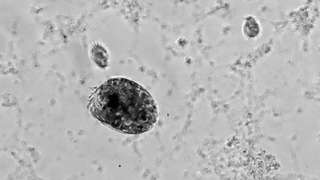
La photo de la semaine : un « Hulk » microscopique filmé en train de se déchaîner contre les siens !
écaille comportement
Et si Hulk existait… à l’échelle microscopique ? Derrière cette image fascinante se cache un comportement aussi spectaculaire qu’inattendu… qui intrigue les scientifiques.
05/07/2026 futura-terre
Des modèles étonnants de Haolonggood Sarcosuchus arrivent chez Everything Dinosaur
écaille Dinosauria
Les modèles très attendus de Haolonggood Sarcosuchus imperator sont arrivés dans l’entrepôt d’Everything Dinosaur. Deux superbes répliques à l'échelle 1/35 de l'énorme crocodile préhistorique Sarcosuchus sont désormais en stock. Les collectionneurs peuvent choisir entre deux variantes de couleurs saisissantes. Le Haolonggood Sarcosuchus imperator Tong Meng présente une belle coloration brune. En revanche, l'empereur Haolonggood Sarcosuchus Tong Wei
03/07/2026 everythingdinosaur ⚙ Traduction automatique
Le nouveau modèle Haolonggood Coelodonta arrive chez Everything Dinosaur
membre écaille Dinosauria mammifères
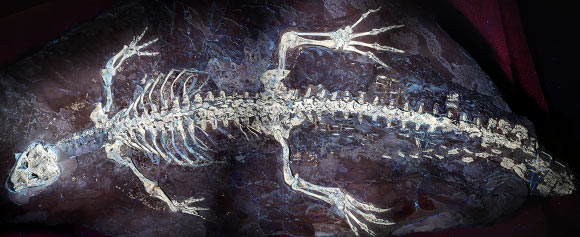
Le très attendu modèle Haolonggood Coelodonta antiquitatis est arrivé dans l’entrepôt d’Everything Dinosaur. Cette magnifique réplique à l'échelle 1:35 représente l'un des mammifères préhistoriques les plus célèbres de la période glaciaire : l'emblématique rhinocéros laineux. Modèle Haolonggood Woolly Rhino à l'échelle 1:35. Les membres de l'équipe ont été occupés à vérifier le nouvel arrivant et à préparer
02/07/2026 everythingdinosaur ⚙ Traduction automatique
125-Million-Year-Old Crocodile Relative Reveals Its True Colors
Un parent de crocodile âgé de 125 millions d'années révèle ses vraies couleurs
écaille peau Espagne Crétacé Crétacé inférieur autres reptiles
La peau exceptionnellement préservée de Montsecosuchus depereti, un crocodylomorphe éteint pas plus gros qu'un chat domestique qui rôdait dans les zones humides tropicales de l'Espagne du Crétacé inférieur, a permis aux paléontologues de reconstituer les détails de ses écailles, de ses organes sensoriels et même d'éventuelles marques en bandes le long de sa queue. L'article Un parent de crocodile âgé de 125 millions d'années révèle ses vraies couleurs est apparu en premier sur Sci.News : Breaking Science News.
18/06/2026 sci-news ⚙ Traduction automatique
Voici la première carte mondiale d’un immense réseau vivant caché sous nos pieds
écaille étude
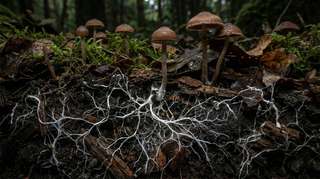
Sous nos pieds se cache l’un des plus vastes réseaux vivants de la planète. Une nouvelle étude révèle l’ampleur vertigineuse des champignons mycorhiziens, ces alliés invisibles des plantes qui transportent des milliards de tonnes de carbone chaque année et pourraient jouer un rôle clé dans la...
13/06/2026 futura-terre
1 2 3 4 5