fossile

Nature du spécimen

267 image(s) · 171 Actualités

Galerie d'images

Mounted replica of a composite skeleton of Edmontosaurus annectens on display at the University of Oxford Museum, Oxford, England. The original skeleton is compiled from disarticulated fossil bones from a bonebed of the Hell Creek Formation, exposed in the Ruth Mason Quarry in Harding County, South Dakota. It is 8.5 m (28 ft.) long and the skull is almost 1 m (39 in.) in length.[1][2]


↑ Dinosaurs in the Museum. Oxford University Museum of Natural History (brochure, PDF), p. 7

↑ BHI Fossil Replica Catalog 2012. Black Hills Institute of Geological Research, Inc., Hill City, SD, 2012 (PDF), p. 22
Taxons Edmontosaurini

Mounted replica of a composite skeleton of Edmontosaurus annectens on display at the University of Oxford Museum, Oxford, England. The original skeleton is compiled from disarticulated fossil bones from a bonebed of the Hell Creek Formation, exposed in the Ruth Mason Quarry in Harding County, South Dakota. It is 8.5 m (28 ft.) long and the skull is almost 1 m (39 in.) in length.[1][2] ↑ Dinosaurs in the Museum. Oxford University Museum of Natural History (brochure, PDF), p. 7 ↑ BHI Fossil Replica Catalog 2012. Black Hills Institute of Geological Research, Inc., Hill City, SD, 2012 (PDF), p. 22

os musée Hell Creek fossile +10
Mounted replica of a composite skeleton of Edmontosaurus annectens on display at the University of Oxford Museum, Oxford, England. The original skeleton is compiled from disarticulated fossil bones from a bonebed of the Hell Creek Formation, exposed in the Ruth Mason Quarry in Harding County, South Dakota. It is 8.5 m (28 ft.) long and the skull is almost 1 m (39 in.) in length.[1][2]


↑ Dinosaurs in the Museum. Oxford University Museum of Natural History (brochure, PDF), p. 7

↑ BHI Fossil Replica Catalog 2012. Black Hills Institute of Geological Research, Inc., Hill City, SD, 2012 (PDF), p. 22
Taxons Kritosaurini

Mounted replica of a composite skeleton of Edmontosaurus annectens on display at the University of Oxford Museum, Oxford, England. The original skeleton is compiled from disarticulated fossil bones from a bonebed of the Hell Creek Formation, exposed in the Ruth Mason Quarry in Harding County, South Dakota. It is 8.5 m (28 ft.) long and the skull is almost 1 m (39 in.) in length.[1][2] ↑ Dinosaurs in the Museum. Oxford University Museum of Natural History (brochure, PDF), p. 7 ↑ BHI Fossil Replica Catalog 2012. Black Hills Institute of Geological Research, Inc., Hill City, SD, 2012 (PDF), p. 22

os musée Hell Creek fossile +10
Mounted replica of a composite skeleton of Edmontosaurus annectens on display at the University of Oxford Museum, Oxford, England. The original skeleton is compiled from disarticulated fossil bones from a bonebed of the Hell Creek Formation, exposed in the Ruth Mason Quarry in Harding County, South Dakota. It is 8.5 m (28 ft.) long and the skull is almost 1 m (39 in.) in length.[1][2]


↑ Dinosaurs in the Museum. Oxford University Museum of Natural History (brochure, PDF), p. 7

↑ BHI Fossil Replica Catalog 2012. Black Hills Institute of Geological Research, Inc., Hill City, SD, 2012 (PDF), p. 22
Taxons Saurolophini

Mounted replica of a composite skeleton of Edmontosaurus annectens on display at the University of Oxford Museum, Oxford, England. The original skeleton is compiled from disarticulated fossil bones from a bonebed of the Hell Creek Formation, exposed in the Ruth Mason Quarry in Harding County, South Dakota. It is 8.5 m (28 ft.) long and the skull is almost 1 m (39 in.) in length.[1][2] ↑ Dinosaurs in the Museum. Oxford University Museum of Natural History (brochure, PDF), p. 7 ↑ BHI Fossil Replica Catalog 2012. Black Hills Institute of Geological Research, Inc., Hill City, SD, 2012 (PDF), p. 22

os musée Hell Creek fossile +10
Mounted replica of a composite skeleton of Edmontosaurus annectens on display at the University of Oxford Museum, Oxford, England. The original skeleton is compiled from disarticulated fossil bones from a bonebed of the Hell Creek Formation, exposed in the Ruth Mason Quarry in Harding County, South Dakota. It is 8.5 m (28 ft.) long and the skull is almost 1 m (39 in.) in length.[1][2]


↑ Dinosaurs in the Museum. Oxford University Museum of Natural History (brochure, PDF), p. 7

↑ BHI Fossil Replica Catalog 2012. Black Hills Institute of Geological Research, Inc., Hill City, SD, 2012 (PDF), p. 22
Taxons Brachylophosaurini

Mounted replica of a composite skeleton of Edmontosaurus annectens on display at the University of Oxford Museum, Oxford, England. The original skeleton is compiled from disarticulated fossil bones from a bonebed of the Hell Creek Formation, exposed in the Ruth Mason Quarry in Harding County, South Dakota. It is 8.5 m (28 ft.) long and the skull is almost 1 m (39 in.) in length.[1][2] ↑ Dinosaurs in the Museum. Oxford University Museum of Natural History (brochure, PDF), p. 7 ↑ BHI Fossil Replica Catalog 2012. Black Hills Institute of Geological Research, Inc., Hill City, SD, 2012 (PDF), p. 22

os musée Hell Creek fossile +10
Montage of four pachycephalosaurs. Clockwise from top left: Stegoceras, Prenocephale, Pachycephalosaurus and Homalocephale. These files are already on Commons with their respective licenses. This montage was made for the article Pachycephalosauria on Wikipedia.
File:Stegoceras mount.jpg
File:Dinosauria - Prenocephale.jpg
File:Fossil Pachycephalosaurus.jpg
File:Homalocephale skull.jpg
Taxons Pachycephalosauria

Montage of four pachycephalosaurs. Clockwise from top left: Stegoceras, Prenocephale, Pachycephalosaurus and Homalocephale. These files are already on Commons with their respective licenses. This montage was made for the article Pachycephalosauria on Wikipedia. File:Stegoceras mount.jpg File:Dinosauria - Prenocephale.jpg File:Fossil Pachycephalosaurus.jpg File:Homalocephale skull.jpg

fossile Dinosauria Domocephalinae Goyocephalia +10
Montage of four pachycephalosaurs. Clockwise from top left: Stegoceras, Prenocephale, Pachycephalosaurus and Homalocephale. These files are already on Commons with their respective licenses. This montage was made for the article Pachycephalosauria on Wikipedia.
File:Stegoceras mount.jpg
File:Dinosauria - Prenocephale.jpg
File:Fossil Pachycephalosaurus.jpg
File:Homalocephale skull.jpg
Taxons Pachycephalosauridae

Montage of four pachycephalosaurs. Clockwise from top left: Stegoceras, Prenocephale, Pachycephalosaurus and Homalocephale. These files are already on Commons with their respective licenses. This montage was made for the article Pachycephalosauria on Wikipedia. File:Stegoceras mount.jpg File:Dinosauria - Prenocephale.jpg File:Fossil Pachycephalosaurus.jpg File:Homalocephale skull.jpg

fossile Dinosauria Domocephalinae Goyocephalia +10
Montage of four pachycephalosaurs. Clockwise from top left: Stegoceras, Prenocephale, Pachycephalosaurus and Homalocephale. These files are already on Commons with their respective licenses. This montage was made for the article Pachycephalosauria on Wikipedia.
File:Stegoceras mount.jpg
File:Dinosauria - Prenocephale.jpg
File:Fossil Pachycephalosaurus.jpg
File:Homalocephale skull.jpg
Taxons Pachycephalosaurinae

Montage of four pachycephalosaurs. Clockwise from top left: Stegoceras, Prenocephale, Pachycephalosaurus and Homalocephale. These files are already on Commons with their respective licenses. This montage was made for the article Pachycephalosauria on Wikipedia. File:Stegoceras mount.jpg File:Dinosauria - Prenocephale.jpg File:Fossil Pachycephalosaurus.jpg File:Homalocephale skull.jpg

fossile Dinosauria Domocephalinae Goyocephalia +10
Montage of four pachycephalosaurs. Clockwise from top left: Stegoceras, Prenocephale, Pachycephalosaurus and Homalocephale. These files are already on Commons with their respective licenses. This montage was made for the article Pachycephalosauria on Wikipedia.
File:Stegoceras mount.jpg
File:Dinosauria - Prenocephale.jpg
File:Fossil Pachycephalosaurus.jpg
File:Homalocephale skull.jpg
Taxons Pachycephalosaurini

Montage of four pachycephalosaurs. Clockwise from top left: Stegoceras, Prenocephale, Pachycephalosaurus and Homalocephale. These files are already on Commons with their respective licenses. This montage was made for the article Pachycephalosauria on Wikipedia. File:Stegoceras mount.jpg File:Dinosauria - Prenocephale.jpg File:Fossil Pachycephalosaurus.jpg File:Homalocephale skull.jpg

fossile Dinosauria Domocephalinae Goyocephalia +10
Montage of four pachycephalosaurs. Clockwise from top left: Stegoceras, Prenocephale, Pachycephalosaurus and Homalocephale. These files are already on Commons with their respective licenses. This montage was made for the article Pachycephalosauria on Wikipedia.
File:Stegoceras mount.jpg
File:Dinosauria - Prenocephale.jpg
File:Fossil Pachycephalosaurus.jpg
File:Homalocephale skull.jpg
Taxons Domocephalinae

Montage of four pachycephalosaurs. Clockwise from top left: Stegoceras, Prenocephale, Pachycephalosaurus and Homalocephale. These files are already on Commons with their respective licenses. This montage was made for the article Pachycephalosauria on Wikipedia. File:Stegoceras mount.jpg File:Dinosauria - Prenocephale.jpg File:Fossil Pachycephalosaurus.jpg File:Homalocephale skull.jpg

fossile Dinosauria Domocephalinae Goyocephalia +10
Montage of four pachycephalosaurs. Clockwise from top left: Stegoceras, Prenocephale, Pachycephalosaurus and Homalocephale. These files are already on Commons with their respective licenses. This montage was made for the article Pachycephalosauria on Wikipedia.
File:Stegoceras mount.jpg
File:Dinosauria - Prenocephale.jpg
File:Fossil Pachycephalosaurus.jpg
File:Homalocephale skull.jpg
Taxons Pachycephalosauroidea

Montage of four pachycephalosaurs. Clockwise from top left: Stegoceras, Prenocephale, Pachycephalosaurus and Homalocephale. These files are already on Commons with their respective licenses. This montage was made for the article Pachycephalosauria on Wikipedia. File:Stegoceras mount.jpg File:Dinosauria - Prenocephale.jpg File:Fossil Pachycephalosaurus.jpg File:Homalocephale skull.jpg

fossile Dinosauria Domocephalinae Goyocephalia +10
Montage of four pachycephalosaurs. Clockwise from top left: Stegoceras, Prenocephale, Pachycephalosaurus and Homalocephale. These files are already on Commons with their respective licenses. This montage was made for the article Pachycephalosauria on Wikipedia.
File:Stegoceras mount.jpg
File:Dinosauria - Prenocephale.jpg
File:Fossil Pachycephalosaurus.jpg
File:Homalocephale skull.jpg
Taxons Goyocephalia

Montage of four pachycephalosaurs. Clockwise from top left: Stegoceras, Prenocephale, Pachycephalosaurus and Homalocephale. These files are already on Commons with their respective licenses. This montage was made for the article Pachycephalosauria on Wikipedia. File:Stegoceras mount.jpg File:Dinosauria - Prenocephale.jpg File:Fossil Pachycephalosaurus.jpg File:Homalocephale skull.jpg

fossile Dinosauria Domocephalinae Goyocephalia +10
Montage of four pachycephalosaurs. Clockwise from top left: Stegoceras, Prenocephale, Pachycephalosaurus and Homalocephale. These files are already on Commons with their respective licenses. This montage was made for the article Pachycephalosauria on Wikipedia.
File:Stegoceras mount.jpg
File:Dinosauria - Prenocephale.jpg
File:Fossil Pachycephalosaurus.jpg
File:Homalocephale skull.jpg
Taxons Homalocephaloidea

Montage of four pachycephalosaurs. Clockwise from top left: Stegoceras, Prenocephale, Pachycephalosaurus and Homalocephale. These files are already on Commons with their respective licenses. This montage was made for the article Pachycephalosauria on Wikipedia. File:Stegoceras mount.jpg File:Dinosauria - Prenocephale.jpg File:Fossil Pachycephalosaurus.jpg File:Homalocephale skull.jpg

fossile Dinosauria Domocephalinae Goyocephalia +10
Fossil of Attenborosaurus, an extinct reptile-- Took the photo at Natural History Museum, London
Taxons Pliosauridae

Fossil of Attenborosaurus, an extinct reptile-- Took the photo at Natural History Museum, London

musée fossile Attenborosaurus Brachaucheninae +2
Fossil of Attenborosaurus, an extinct reptile-- Took the photo at Natural History Museum, London
Taxons Thalassophonea

Fossil of Attenborosaurus, an extinct reptile-- Took the photo at Natural History Museum, London

musée fossile Attenborosaurus Brachaucheninae +2
Fossil of Attenborosaurus, an extinct reptile-- Took the photo at Natural History Museum, London
Taxons Brachaucheninae

Fossil of Attenborosaurus, an extinct reptile-- Took the photo at Natural History Museum, London

musée fossile Attenborosaurus Brachaucheninae +2
Collection of four troodontids, clockwise from top left: Mei long, unnamed Alaskan troodontid, Jianianhualong tengi, Sinovenator changii.
Taxons Troodontidae

Collection of four troodontids, clockwise from top left: Mei long, unnamed Alaskan troodontid, Jianianhualong tengi, Sinovenator changii.

musée Taïwan fossile holotype +7
1 2 3 4 5 6 7 8 9 10 11 12 13 14 15 16 17

Actualités

Cette petite griffe dans un fossile vieux de 500 millions d'années vient de réécrire l'origine des araignées
griffe Cambrien fossile spécimen
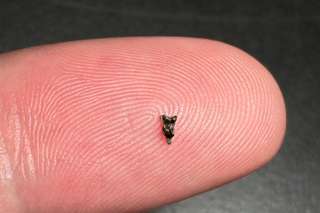
Ce qui a commencé comme un nettoyage de routine des fossiles s'est transformé en une surprise scientifique majeure lorsque des chercheurs ont découvert une petite griffe dans un spécimen vieux de 500 millions d'années, là où aucune griffe ne devrait exister. Ce détail a révélé Megachelicerax cousteaui, le plus ancien parent connu des araignées, repoussant les origines de ce groupe de 20 millions d'années. Le fossile montre que les principales caractéristiques des araignées et des limules modernes étaient déjà apparues lors de l'explosion cambrienne.
03/04/2026 sciencedaily ⚙ Traduction automatique
Des abeilles anciennes trouvées nichant à l’intérieur d’os fossiles lors d’une découverte d’une grotte rare
os mâchoire nid proie fossile découverte
Il y a des milliers d'années, dans une grotte d'Hispaniola, une chaîne d'événements inhabituelle a laissé derrière elle un trésor scientifique rare : des abeilles nichant dans des os fossilisés. Après que des chouettes effraies géantes aient amené à plusieurs reprises des proies comme des hutias dans la grotte, leurs restes se sont accumulés dans des chambres riches en limon, créant un étrange environnement souterrain. Plus tard, les abeilles fouisseuses ont profité des sédiments mous et ont même réutilisé de minuscules cavités dans des mâchoires et des os fossilisés comme nids prêts à l'emploi, les recouvrant d'un revêtement lisse et imperméable.
03/04/2026 sciencedaily ⚙ Traduction automatique
D’étranges roches en « peau d’éléphant » révèlent une vie ancienne dans l’océan sombre
Maroc fossile découverte formation
Une étrange formation rocheuse ridée au Maroc a amené les scientifiques à repenser l'endroit où pourraient vivre d'anciens microbes. Au lieu d’eaux peu profondes et ensoleillées, ces microbes pourraient avoir prospéré dans les profondeurs de l’océan, alimentés par les produits chimiques libérés par les glissements de terrain sous-marins. La découverte suggère que les environnements sombres et riches en nutriments ont abrité des écosystèmes prospères beaucoup plus tôt que prévu. Cela soulève également la possibilité que de nombreux fossiles similaires aient été négligés ou mal interprétés.
03/04/2026 sciencedaily-paleo ⚙ Traduction automatique
Les scientifiques disent que nous avons cherché au mauvais endroit les origines humaines
Égypte fossile évolution origine humaine
Un singe fossile découvert dans le nord de l’Égypte est en train de remodeler l’histoire de l’évolution humaine. L'espèce Masripithecus vivait il y a environ 17 à 18 millions d'années et pourrait être très proche de l'ancêtre de tous les singes modernes. Cette constatation remet en question l’attention portée depuis longtemps à l’Afrique de l’Est. Au lieu de cela, il désigne l’Afrique du Nord et les régions voisines comme berceau possible des singes.
28/03/2026 sciencedaily-paleo ⚙ Traduction automatique
Des scientifiques ont découvert un rhinocéros dans l'Arctique et cela change tout
fossile datation nouvelle espèce
Des scientifiques ont découvert une nouvelle espèce de rhinocéros dans l'Extrême-Arctique canadien, révélant que les rhinocéros vivaient autrefois bien plus au nord que prévu. Le fossile, datant de 23 millions d'années, est exceptionnellement complet et a contribué à remodeler les idées sur la façon dont ces animaux ont migré entre les continents. Les preuves suggèrent que les rhinocéros ont traversé l'Europe vers l'Amérique du Nord plus récemment que les scientifiques ne le pensaient autrefois.
24/03/2026 sciencedaily ⚙ Traduction automatique
1 2 3 4 5 6 7 8 9 10 11 12 13 14 15 16 17 18 19 20 21 22 23 24 25 26 27 28 29 30 31 32 33 34 35