←

fossil

Specimen nature

248 image(s) · 268 News

Image gallery

Fossil specimen, CM 11422, of Nyctosaurus gracilis
Taxa Nyctosauridae

Fossil specimen, CM 11422, of Nyctosaurus gracilis

fossil specimen Nyctosauridae Nyctosaurus
Fossil specimen, CM 11422, of Nyctosaurus gracilis
Taxa Nyctosauridae

Fossil specimen, CM 11422, of Nyctosaurus gracilis

fossil specimen Nyctosauridae Nyctosaurus
Fossil specimen, CM 11422, of Nyctosaurus gracilis
Taxa Nyctosaurus

Fossil specimen, CM 11422, of Nyctosaurus gracilis

fossil specimen Nyctosauridae Nyctosaurus
Cast of a Scaphognathus crassirostris, a kind of pterosaur. On display as part of the exhibit "Pterosaurs: Flight in the Age of Dinosaurs" at the Cleveland Natural History Museum in Cleveland, Ohio, in the United States.
This animal lived about 150 million years ago. This fossil was found in the Solnhofen formation in Germany. This is a cast; the fossil itself is held by the Institute of Geology and Paleontology at the University of Bonn.
Taxa Scaphognathus

Cast of a Scaphognathus crassirostris, a kind of pterosaur. On display as part of the exhibit "Pterosaurs: Flight in the Age of Dinosaurs" at the Cleveland Natural History Museum in Cleveland, Ohio, in the United States. This animal lived about 150 million years ago. This fossil was found in the Solnhofen formation in Germany. This is a cast; the fossil itself is held by the Institute of Geology and Paleontology at the University of Bonn.

flight museum Germany United States +7
A diagram of the dromaeosaurid dinosaur Pyroraptor olympius with selected fossil elements that can be reliably scaled using measurements given by Allain & Taquet (2000) to produce a realistic estimate of the taxon's size and proportions in life. This silhouette is based on the supposition of the missing elements of Pyroraptor's skeleton having fairly generalized dromaeosaurid proportions.
Taxa Pyroraptor

A diagram of the dromaeosaurid dinosaur Pyroraptor olympius with selected fossil elements that can be reliably scaled using measurements given by Allain & Taquet (2000) to produce a realistic estimate of the taxon's size and proportions in life. This silhouette is based on the supposition of the missing elements of Pyroraptor's skeleton having fairly generalized dromaeosaurid proportions.

fossil Dinosauria Dromaeosauridae Pyroraptor +1
Fossil of Coloborhynchus, an extinct pterosaur- Took the photo at Naturalis museum, Leiden

Fossil of Coloborhynchus, an extinct pterosaur- Took the photo at Naturalis museum, Leiden

museum fossil Coloborhynchus Maaradactylus +1
Sinornithosaurus millenii fossil displayed in Hong Kong Science Museum
Taxa Sinornithosaurus

Sinornithosaurus millenii fossil displayed in Hong Kong Science Museum

museum fossil Sinornithosaurus
Jinfengopteryx elegans fossil displayed in Hong Kong Science Museum
Taxa Jinfengopteryginae

Jinfengopteryx elegans fossil displayed in Hong Kong Science Museum

museum fossil Jinfengopteryginae Jinfengopteryx
Jinfengopteryx elegans fossil displayed in Hong Kong Science Museum
Taxa Jinfengopteryx

Jinfengopteryx elegans fossil displayed in Hong Kong Science Museum

museum fossil Jinfengopteryginae Jinfengopteryx
Fossil skeleton of Guaibasaurus, a basal Saurischian dinosaur genus
Taxa Guaibasauridae

Fossil skeleton of Guaibasaurus, a basal Saurischian dinosaur genus

fossil Dinosauria Guaibasauridae Guaibasaurus +2
Fossil of Romeosaurus, an extinct reptile - Took the picture at Museo Paleontologico di Sant'Anna d'Alfaedo
Taxa Yaguarasaurinae

Fossil of Romeosaurus, an extinct reptile - Took the picture at Museo Paleontologico di Sant'Anna d'Alfaedo

fossil Romeosaurus Yaguarasaurinae
Fossil of Romeosaurus, an extinct reptile - Took the picture at Museo Paleontologico di Sant'Anna d'Alfaedo
Taxa Romeosaurus

Fossil of Romeosaurus, an extinct reptile - Took the picture at Museo Paleontologico di Sant'Anna d'Alfaedo

fossil Romeosaurus Yaguarasaurinae
Fossil of Quetzalcoatlus, an extinct pterosaur- Took the photo at Senckenberg Museum of Frankfurt
Taxa Quetzalcoatlus

Fossil of Quetzalcoatlus, an extinct pterosaur- Took the photo at Senckenberg Museum of Frankfurt

museum fossil Pterosauria Quetzalcoatlus
A restoration of Rinconsaurus compared to a human ,

•  Based proportionally on fossil elements and skeletal reconstruction featured in the Rinconsaurus description,[1] with missing parts based on other titanosaur reconstructions. The remains of Rinconsaurus represent two adults and a juvenile all of which are incomplete; some of the proportions shown here, such as the neck, limb lengths, and skull shape are not certain.
•  Osteroderms are not yet known in Rinconsaurus.  The osteoderms shown here are based loosely on Mendozasaurus.[2] Osteoderms are known from at least 10 titanosaur genera spread across the family tree but it's not clear if all titanosaurs had them.[3] Titanosaur osteoderms are rare and their layout and position on the body are not certain. [4]
•  The colours and patterns, as with the majority of reconstructions of prehistoric creatures, are speculative.
•  Human silhouette approximately 180 cm tall.

NOTE: I often update my images. If you want to have any of my images on a website, please (if possible) don’t host/save it to the website server. I’d prefer it if the image's Wikimedia URL is used. This means that if I update an image, it will be updated on the site as well.  Thanks.   


References


↑ Coria, Jorge; B.J.G. Riga (2003). "Rinconsaurus caudamirus gen. et sp nov., a new titanosaurid (Dinosauria, Sauropoda) from the Late Cretaceous of Patagonia, Argentina". Revista Geologica de Chile 30 (2): 333–353. ISSN 0716-0208. Retrieved on 2007-05-21.

↑   González Riga B (2003) A new titanosaur (Dinosauria, Sauropoda) from the Upper Cretaceous of Mendoza, Argentina. Ameghiniana 40 (2) 

↑  Carrano, M.T. and D’Emic, M.D.  2015 'Osteoderms of the titanosaur sauropod dinosaur Alamosaurus sanjuanensis Gilmore, 1922'. Journal of Vertebrate Paleontology.

↑    Vidal D, Ortega F, Sanz JL (2014) Titanosaur Osteoderms from the Upper Cretaceous of Lo Hueco (Spain) and Their Implications on the Armor of Laurasian Titanosaurs. PLoS ONE 9(8): e102488. doi:10.1371/journal.pone.0102488
Taxa Rinconsauria

A restoration of Rinconsaurus compared to a human , • Based proportionally on fossil elements and skeletal reconstruction featured in the Rinconsaurus description,[1] with missing parts based on other titanosaur reconstructions. The remains of Rinconsaurus represent two adults and a juvenile all of which are incomplete; some of the proportions shown here, such as the neck, limb lengths, and skull shape are not certain. • Osteroderms are not yet known in Rinconsaurus. The osteoderms shown here are based loosely on Mendozasaurus.[2] Osteoderms are known from at least 10 titanosaur genera spread across the family tree but it's not clear if all titanosaurs had them.[3] Titanosaur osteoderms are rare and their layout and position on the body are not certain. [4] • The colours and patterns, as with the majority of reconstructions of prehistoric creatures, are speculative. • Human silhouette approximately 180 cm tall. NOTE: I often update my images. If you want to have any of my images on a website, please (if possible) don’t host/save it to the website server. I’d prefer it if the image's Wikimedia URL is used. This means that if I update an image, it will be updated on the site as well. Thanks. References ↑ Coria, Jorge; B.J.G. Riga (2003). "Rinconsaurus caudamirus gen. et sp nov., a new titanosaurid (Dinosauria, Sauropoda) from the Late Cretaceous of Patagonia, Argentina". Revista Geologica de Chile 30 (2): 333–353. ISSN 0716-0208. Retrieved on 2007-05-21. ↑ González Riga B (2003) A new titanosaur (Dinosauria, Sauropoda) from the Upper Cretaceous of Mendoza, Argentina. Ameghiniana 40 (2) ↑ Carrano, M.T. and D’Emic, M.D. 2015 'Osteoderms of the titanosaur sauropod dinosaur Alamosaurus sanjuanensis Gilmore, 1922'. Journal of Vertebrate Paleontology. ↑ Vidal D, Ortega F, Sanz JL (2014) Titanosaur Osteoderms from the Upper Cretaceous of Lo Hueco (Spain) and Their Implications on the Armor of Laurasian Titanosaurs. PLoS ONE 9(8): e102488. doi:10.1371/journal.pone.0102488

armor limb description Argentina +14
A restoration of Rinconsaurus compared to a human ,

•  Based proportionally on fossil elements and skeletal reconstruction featured in the Rinconsaurus description,[1] with missing parts based on other titanosaur reconstructions. The remains of Rinconsaurus represent two adults and a juvenile all of which are incomplete; some of the proportions shown here, such as the neck, limb lengths, and skull shape are not certain.
•  Osteroderms are not yet known in Rinconsaurus.  The osteoderms shown here are based loosely on Mendozasaurus.[2] Osteoderms are known from at least 10 titanosaur genera spread across the family tree but it's not clear if all titanosaurs had them.[3] Titanosaur osteoderms are rare and their layout and position on the body are not certain. [4]
•  The colours and patterns, as with the majority of reconstructions of prehistoric creatures, are speculative.
•  Human silhouette approximately 180 cm tall.

NOTE: I often update my images. If you want to have any of my images on a website, please (if possible) don’t host/save it to the website server. I’d prefer it if the image's Wikimedia URL is used. This means that if I update an image, it will be updated on the site as well.  Thanks.   


References


↑ Coria, Jorge; B.J.G. Riga (2003). "Rinconsaurus caudamirus gen. et sp nov., a new titanosaurid (Dinosauria, Sauropoda) from the Late Cretaceous of Patagonia, Argentina". Revista Geologica de Chile 30 (2): 333–353. ISSN 0716-0208. Retrieved on 2007-05-21.

↑   González Riga B (2003) A new titanosaur (Dinosauria, Sauropoda) from the Upper Cretaceous of Mendoza, Argentina. Ameghiniana 40 (2) 

↑  Carrano, M.T. and D’Emic, M.D.  2015 'Osteoderms of the titanosaur sauropod dinosaur Alamosaurus sanjuanensis Gilmore, 1922'. Journal of Vertebrate Paleontology.

↑    Vidal D, Ortega F, Sanz JL (2014) Titanosaur Osteoderms from the Upper Cretaceous of Lo Hueco (Spain) and Their Implications on the Armor of Laurasian Titanosaurs. PLoS ONE 9(8): e102488. doi:10.1371/journal.pone.0102488
Taxa Rinconsaurus

A restoration of Rinconsaurus compared to a human , • Based proportionally on fossil elements and skeletal reconstruction featured in the Rinconsaurus description,[1] with missing parts based on other titanosaur reconstructions. The remains of Rinconsaurus represent two adults and a juvenile all of which are incomplete; some of the proportions shown here, such as the neck, limb lengths, and skull shape are not certain. • Osteroderms are not yet known in Rinconsaurus. The osteoderms shown here are based loosely on Mendozasaurus.[2] Osteoderms are known from at least 10 titanosaur genera spread across the family tree but it's not clear if all titanosaurs had them.[3] Titanosaur osteoderms are rare and their layout and position on the body are not certain. [4] • The colours and patterns, as with the majority of reconstructions of prehistoric creatures, are speculative. • Human silhouette approximately 180 cm tall. NOTE: I often update my images. If you want to have any of my images on a website, please (if possible) don’t host/save it to the website server. I’d prefer it if the image's Wikimedia URL is used. This means that if I update an image, it will be updated on the site as well. Thanks. References ↑ Coria, Jorge; B.J.G. Riga (2003). "Rinconsaurus caudamirus gen. et sp nov., a new titanosaurid (Dinosauria, Sauropoda) from the Late Cretaceous of Patagonia, Argentina". Revista Geologica de Chile 30 (2): 333–353. ISSN 0716-0208. Retrieved on 2007-05-21. ↑ González Riga B (2003) A new titanosaur (Dinosauria, Sauropoda) from the Upper Cretaceous of Mendoza, Argentina. Ameghiniana 40 (2) ↑ Carrano, M.T. and D’Emic, M.D. 2015 'Osteoderms of the titanosaur sauropod dinosaur Alamosaurus sanjuanensis Gilmore, 1922'. Journal of Vertebrate Paleontology. ↑ Vidal D, Ortega F, Sanz JL (2014) Titanosaur Osteoderms from the Upper Cretaceous of Lo Hueco (Spain) and Their Implications on the Armor of Laurasian Titanosaurs. PLoS ONE 9(8): e102488. doi:10.1371/journal.pone.0102488

armor limb description Argentina +14
fossil placodont
Taxa Cyamodontidae

fossil placodont

fossil Cyamodontidae Cyamodus Placodontia
1 2 3 4 5 6 7 8 9 10 11 12 13 14 15 16

News

Newly Described Sauropodomorph from the Late Triassic of Zimbabwe
Zimbabwe Late Triassic Norian Triassic fossil Dinosauria
A team of international researchers have described a new dinosaur based on fossils found in Zimbabwe. This newly described sauropodomorph named Musango matusadonaensis lived during the Late Triassic (Norian faunal stage), around 210 million years ago. Musango is the fifth dinosaur to be named from fossils discovered in Zimbabwe. Furthermore, these fossils further support the
29/07/2026 everythingdinosaur
Queensland Ichthyosaur Fossil Provides World-first Evidence of Predation on a Pterosaur
predator prey Australia Toolebuc Cretaceous Early Cretaceous fossil Ichthyosauria Pterosauria formation
An extraordinary fossil from Queensland, Australia has provided evidence of a prehistoric food chain. Scientists have identified the first definitive evidence that an ichthyosaur consumed a pterosaur. Furthermore, the marine reptile later became prey for one of the largest predators in the ancient Eromanga Sea. The spectacular fossil comes from the Lower Cretaceous Toolebuc Formation
28/07/2026 everythingdinosaur
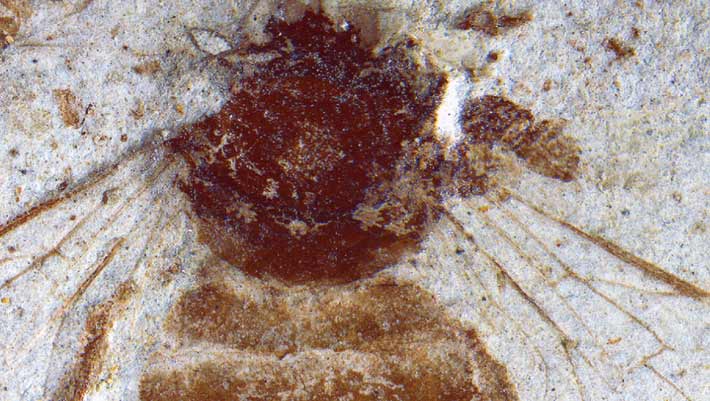
Japanese Fossil Bee Fills Two-Million-Year Gap in Honeybee History
fossil discovery new species
Paleontologists have announced the discovery of a new fossil honeybee species that fills a long-standing gap in the evolutionary record of the genus Apis. The post Japanese Fossil Bee Fills Two-Million-Year Gap in Honeybee History appeared first on Sci.News: Breaking Science News.
27/07/2026 sci-news
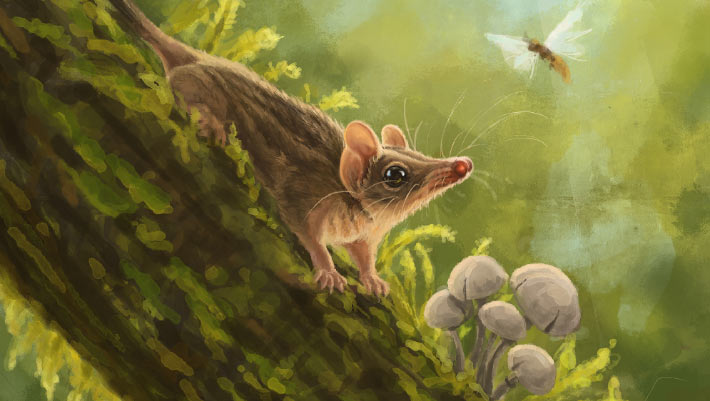
Early Miocene Fossil Rewrites Family Tree of Little Carnivorous Marsupials
Australia Miocene fossil new species
Paleontologists at the University of New South Wales have described a new genus and species of dasyurid marsupial from the Early Miocene of Australia, offering the first solid evidence that the family Dasyuridae -- which today includes quolls, Tasmanian devils and tiny antechinuses -- existed long before scientists had proof of it in the fossil record. The post Early Miocene Fossil Rewrites Family Tree of Little Carnivorous Marsupials appeared first on Sci.News: Breaking Science News.
24/07/2026 sci-news
Ancient ape fossil in Egypt challenges the story of human origins
Egypt fossil human origin
A newly identified fossil ape from northern Egypt is reshaping ideas about where the ancestors of modern apes first emerged. Analyses place it closer to living apes than any known East African species of the same age, pointing to North Africa and the Middle East as a possible birthplace and crossroads for the ape lineage that eventually produced gibbons, orangutans, gorillas, chimpanzees, and humans.
24/07/2026 sciencedaily
1 2 3 4 5 6 7 8 9 10 11 12 13 14 15 16 17 18 19 20 21 22 23 24 25 26 27 28 29 30 31 32 33 34 35 36 37 38 39 40 41 42 43 44 45 46 47 48 49 50 51 52 53 54