Crétacé supérieur

Intervalle géologique

58 image(s) · 17 Actualités

Voir la fiche

Galerie d'images

Reconstruction of Bissektipelta archibaldi an ankylosaurid dinosaur from the Late Cretaceous of Uzbekistan
Taxons Bissektipelta

Reconstruction of Bissektipelta archibaldi an ankylosaurid dinosaur from the Late Cretaceous of Uzbekistan

Ouzbékistan Crétacé Crétacé supérieur Ankylosauridae +2
Calvarius is a genus of styracosternan ornithopod from the Late Cretaceous of Spain. The name alludes to its chronostratigraphic proximity to the extinction event that wiped out the non-avian dinosaurs at the end of the Cretaceous. The highly modified metatarsal that is known from shows an example of convergent evolution, as it is more similar to non-iguanodontian ornithopods than to other styracosternans. It is thought that this is due to fulfilling a niche in its island habitat, resulting in Calvarius becoming a small-bodied animal, capable of rapid locomotion.
Taxons Calvarius

Calvarius is a genus of styracosternan ornithopod from the Late Cretaceous of Spain. The name alludes to its chronostratigraphic proximity to the extinction event that wiped out the non-avian dinosaurs at the end of the Cretaceous. The highly modified metatarsal that is known from shows an example of convergent evolution, as it is more similar to non-iguanodontian ornithopods than to other styracosternans. It is thought that this is due to fulfilling a niche in its island habitat, resulting in Calvarius becoming a small-bodied animal, capable of rapid locomotion.

locomotion Espagne Crétacé Crétacé supérieur +6
Astigmasaura is a medium-sized rebbachisaurid sauropod dinosaur from the Late Cretaceous period of what is now Argentina. Rebbachisaurids had highly pneumatized bones that helped them to hold their weight on their four pillar-like legs, and extremely long tails. Astigmasaura was likely a ground-level browsing herbivore.
Taxons Astigmasaura

Astigmasaura is a medium-sized rebbachisaurid sauropod dinosaur from the Late Cretaceous period of what is now Argentina. Rebbachisaurids had highly pneumatized bones that helped them to hold their weight on their four pillar-like legs, and extremely long tails. Astigmasaura was likely a ground-level browsing herbivore.

os Argentine Crétacé Crétacé supérieur +3
Rebbachisaurids are the latest known sauropod dinosaurs outside the titanosaur lineage. Cienciargentina is a rebbachisaurid from the Late Cretaceous, making it among the most recent. It had many hollow bones, and likely had batteries of teeth used for chewing, a rebbachisaurid feature unique among sauropods.
Taxons Cienciargentina

Rebbachisaurids are the latest known sauropod dinosaurs outside the titanosaur lineage. Cienciargentina is a rebbachisaurid from the Late Cretaceous, making it among the most recent. It had many hollow bones, and likely had batteries of teeth used for chewing, a rebbachisaurid feature unique among sauropods.

os Crétacé Crétacé supérieur Cienciargentina +3
Campananeyen is a rebbachisaurid sauropod that lived approximately 100 million years ago in the Late Cretaceous of what is now Argentina. Rebbachisaurids are the main group of diplodocoidea to have lived past the Jurassic, and had a more horizontal posture than contemporary sauropods, mainly the titanosaurs. They are unique among sauropods for having batteries of teeth used for chewing, rather than the typical peglike teeth sauropods used to strip leaves off branches.
Taxons Campananeyen

Campananeyen is a rebbachisaurid sauropod that lived approximately 100 million years ago in the Late Cretaceous of what is now Argentina. Rebbachisaurids are the main group of diplodocoidea to have lived past the Jurassic, and had a more horizontal posture than contemporary sauropods, mainly the titanosaurs. They are unique among sauropods for having batteries of teeth used for chewing, rather than the typical peglike teeth sauropods used to strip leaves off branches.

Argentine Crétacé Jurassique Crétacé supérieur +4
Samrukia nesovi was originally described as a giant bird, but is now considered a pterodactyloid pterosaur of uncertain placement and validity. 

References: 
Naish, D., Dyke, G., Cau, A., Escuillié, F., & Godefroit, P. (2011). A gigantic bird from the Upper Cretaceous of Central Asia. Biology Letters, 8(1), 97–100. doi:10.1098/rsbl.2011.0683

Buffetaut, E. (2011). Samrukia nessovi, from the Late Cretaceous of Kazakhstan: A large pterosaur, not a giant bird. Annales de Paléontologie, 97(3–4), 133–138. doi:10.1016/j.annpal.2011.10.001
Taxons Samrukia

Samrukia nesovi was originally described as a giant bird, but is now considered a pterodactyloid pterosaur of uncertain placement and validity. References: Naish, D., Dyke, G., Cau, A., Escuillié, F., & Godefroit, P. (2011). A gigantic bird from the Upper Cretaceous of Central Asia. Biology Letters, 8(1), 97–100. doi:10.1098/rsbl.2011.0683 Buffetaut, E. (2011). Samrukia nessovi, from the Late Cretaceous of Kazakhstan: A large pterosaur, not a giant bird. Annales de Paléontologie, 97(3–4), 133–138. doi:10.1016/j.annpal.2011.10.001

Kazakhstan Crétacé Crétacé supérieur Pterosauria +2
Dzharacursor is an ornithomimid theropod dinosaur from the Late Cretaceous of what is now Uzbekistan. Ornithomimids like Dzharacursor are known for their long legs lending to a cursorial, or running, lifestyle. They had a feathered covering, and were likely omnivorous, or possibly herbivorous. Adult Dzharacursor could grow to approximately 3.5 m in length.
Taxons Dzharacursor

Dzharacursor is an ornithomimid theropod dinosaur from the Late Cretaceous of what is now Uzbekistan. Ornithomimids like Dzharacursor are known for their long legs lending to a cursorial, or running, lifestyle. They had a feathered covering, and were likely omnivorous, or possibly herbivorous. Adult Dzharacursor could grow to approximately 3.5 m in length.

Ouzbékistan Crétacé Crétacé supérieur Dinosauria +2
Skeletal reconstruction of Ahshislepelta minor, a small ankylosaur from the Late Cretaceous Kirtland Formation of New Mexico. While originally recovered as an ankylosaurid related to Gastonia, later analyses favored a nodosaurid position which this is based on. Based on the holotype SMP VP-1930, consisting of fragmentary shoulder, forelimb, and vertebral elements as well as several osteoderms. Unknown material filled in using Niobrarasaurus, Pawpawsaurus, Silvisaurus, Sauropelta, and Borealopelta. Total length is approximately 4.9 m through the centra.
Notes: Osteoderm placement somewhat speculative, not all osteoderms and vertebral fragments are figured.

References: Burns & Sullivan, 2011.
Taxons Ahshislepelta

Skeletal reconstruction of Ahshislepelta minor, a small ankylosaur from the Late Cretaceous Kirtland Formation of New Mexico. While originally recovered as an ankylosaurid related to Gastonia, later analyses favored a nodosaurid position which this is based on. Based on the holotype SMP VP-1930, consisting of fragmentary shoulder, forelimb, and vertebral elements as well as several osteoderms. Unknown material filled in using Niobrarasaurus, Pawpawsaurus, Silvisaurus, Sauropelta, and Borealopelta. Total length is approximately 4.9 m through the centra. Notes: Osteoderm placement somewhat speculative, not all osteoderms and vertebral fragments are figured. References: Burns & Sullivan, 2011.

Mexique Kirtland Crétacé Crétacé supérieur +13
Holotype skull of the centrosaurine ceratopsian dinosaur Diabloceratops eatoni from the Late Cretaceous (Campanian) of the Wahweap Formation, Grand Staircase-Escalante National Monument, Utah. Photograph by Nick Longrich, 2023.

Holotype skull of the centrosaurine ceratopsian dinosaur Diabloceratops eatoni from the Late Cretaceous (Campanian) of the Wahweap Formation, Grand Staircase-Escalante National Monument, Utah. Photograph by Nick Longrich, 2023.

Campanien Crétacé Crétacé supérieur holotype +5
Outcrops of the Late Cretaceous (Campanian) aged Aguja Formation, Big Bend National Park, Texas, USA

Outcrops of the Late Cretaceous (Campanian) aged Aguja Formation, Big Bend National Park, Texas, USA

États-Unis Aguja Campanien Crétacé +2
Sidersaura is a rebbachisaurid sauropod dinosaur from the Late Cretaceous of Argentina. Rebbachisaurids are the last known dipldocoids, and lived alongside the titanosaurs until fairly late in the Cretaceous before disappearing from the fossil record, presumably going extinct. They have long tails and relatively short necks, by sauropod standards. Sidersaura one of the most recent rebbachisaurids yet found, living in the Cenomanian–Turonian ages of the Late Cretaceous. It was large for a rebbachisaurid, growing to about 20 m in length.
Taxons Sidersaura

Sidersaura is a rebbachisaurid sauropod dinosaur from the Late Cretaceous of Argentina. Rebbachisaurids are the last known dipldocoids, and lived alongside the titanosaurs until fairly late in the Cretaceous before disappearing from the fossil record, presumably going extinct. They have long tails and relatively short necks, by sauropod standards. Sidersaura one of the most recent rebbachisaurids yet found, living in the Cenomanian–Turonian ages of the Late Cretaceous. It was large for a rebbachisaurid, growing to about 20 m in length.

Argentine Cénomanien Crétacé Crétacé supérieur +6
Diagram depicting the currently named Dinosauria from the Late Cretaceous Allen Formation of Argentina. Dinosaur taxa:
Aeolosaurus sp. → Salitral Moreno locality, Río Negro Province.[1] Length = 15 meters.[2]
Austroraptor cabazai → Santa Rosa Basin locality, Río Negro Province.[3][4] Length = 6 meters.[2]
Bonapartenykus ultimus → Salitral Ojo de Agua locality, Río Negro Province.[5] Length = 2.5 meters.[5]
Bonapartesaurus rionegrensis → Salitral Moreno locality, Río Negro Province.[6] Length = ∼6 meters.[1]
Bonatitan reigi → Salitral de Santa Rosa locality, Río Negro Province.[7] Length = Extrapolated after relatives.
 Kelumapusaura machi → Cerro Matadero locality, Río Negro Province.[8] 9 meters.[8]
Lamarqueavis australis → Cerro Tortugas locality, Río Negro Province.[9] Length = ∼House sparrow-sized.[9]
Lapampasaurus cholinoi → Islas Malvinas locality, La Pampa Province.[10] Length = ∼7 meters.[2]
Limenavis patagonica → Salitral Moreno locality, Río Negro Province.[11] Length = Extrapolated after relatives.
Menucocelsior arriagadai → Salitral Ojo de Agua locality, Río Negro Province.
Niebla antiqua → Cerro Matadero locality, Río Negro Province.[12] Length = 4.5 meters.[12]
Panamericansaurus schroederi → Bodega Familia Schroeder locality, Neuquén Province.[13] Length = 11 meters.[2]
Patagopelta cristata → Salitral Moreno locality, Río Negro Province.
Quilmesaurus curriei → Salitral Ojo de Agua locality, Río Negro Province.[14] Length = 5.3 meters.[12]
Rocasaurus muniozi → Salitral Moreno locality, Río Negro Province.[15] Length = Extrapolated after relatives.
Excluded taxa: 

Willinakaqe salitralensis is considered a nomen dubium,[16] and its paratype has been reassigned to Bonapartesaurus rionegrensis.[6]
Laplatasaurus araukanicus has been restricted to its lectotype which hails from the Anacleto Formation.[17]
Abelisaurus comahuensis could either belong to the Allen or Anacleto formations.[12]
Pellegrinisaurus powelli could either belong to the Allen or Anacleto formations.[18][19]
References

↑  (2013). "The titanosaur sauropods from the late Campanian-early Maastrichtian Allen Formation of Salitral Moreno, Río Negro, Argentina". Acta Palaeontologica Polonica 58 (2): 269–284. DOI:10.4202/app.2011.0055.

↑ a b c (2007)  Dinosaurs: The Most Complete, Up-to-Date Encyclopedia for Dinosaur Lovers of All Ages, Random House  ISBN:  9780375824197.  Genus List for Holtz 2012  Weight Information

↑ (2008). "A bizarre Cretaceous theropod dinosaur from Patagonia and the evolution of Gondwanan dromaeosaurids". Proceedings of the Royal Society B: Biological Sciences 276 (1659): 1101–7. DOI:10.1098/rspb.2008.1554. ISSN 1471-2954.

↑  (2012). "A New Specimen of Austroraptor cabazai Novas, Pol, Canale, Porfiri and Calvo, 2008 (Dinosauria, Theropoda, Unenlagiidae) from the Latest Cretaceous (Maastrichtian) of Río Negro, Argentina". Ameghiniana 49 (4): 662–667. DOI:10.5710/AMGH.30.8.2012.574.

↑ a b Federico L. Agnolin (2012). "New alvarezsaurid (Dinosauria, Theropoda) from uppermost Cretaceous of north-western Patagonia with associated eggs". Cretaceous Research 35: 33–56. DOI:10.1016/j.cretres.2011.11.014.

↑ a b  (2017). "Bonapartesaurus rionegrensis, a new hadrosaurine dinosaur from South America: implications for phylogenetic and biogeographic relations with North America". Journal of Vertebrate Paleontology 37 (2): 1–16. DOI:10.1080/02724634.2017.1289381.

↑ Salgado L., Gallina P.A. and Paulina Carabajal A. 2014. "Redescription of Bonatitan reigi (Sauropoda: Titanosauria), from the Campanian–Maastrichtian of the Río Negro Province (Argentina)". Historical Biology: An International Journal of Paleobiology 27(5): 525-548

↑ a b  (2022). "A new hadrosaurid (Dinosauria: Ornithischia) from the Late Cretaceous of northern Patagonia and the radiation of South American hadrosaurids". Journal of Systematic Palaeontology. DOI:10.1080/14772019.2021.2020917.

↑ a b (2010). "[https://pdfs.semanticscholar.org/f6f4/c6eb05d224719916c0b20634f54dfeb37d3f.pdf An avian coracoid from the Upper
Cretaceous of Patagonia, Argentina]". Studia Geologica Salmanticensia 46 (2): 99-119. ISSN 0211-8327.

↑ Rodolfo A. Coria, Bernardo González Riga and Silvio Casadío (2012). "Un nuevo hadrosáurido (Dinosauria, Ornithopoda) de la Formación Allen, provincia de La Pampa, Argentina". Ameghiniana 49 (4): 552–572.

↑ Clarke and Chiappe, 2001. A new carinate bird from the Late Cretaceous of Patagonia (Argentina). American Museum Novitates. 3323, 1-23.

↑ a b c d (in English) Aranciaga Rolando, Mauro (2020). "A new medium-sized abelisaurid (Theropoda, Dinosauria) from the late cretaceous (Maastrichtian) Allen Formation of Northern Patagonia, Argentina". Journal of South American Earth Sciences: 102915. DOI:10.1016/j.jsames.2020.102915. ISSN 0895-9811.

↑ (2010). "Panamericansaurus schroederi gen. nov. sp. nov. Un nuevo Sauropoda (Titanosauridae-Aeolosaurini) de la Provincia del Neuquén, Cretácico Superior de Patagonia, Argentina". Brazilian Geographical Journal: Geosciences and Humanities research medium 1: 100–115.

↑ Coria, R.A. (2001) "A new theropod from the Late Cretaceous of Patagonia" in Tanke, Darren H., ed.    Mesozoic Vertebrate Life, Life of the Past, Indiana University Press, pp. 3–9  ISBN:  978-0-253-33907-2. 

↑ Salgado, L. and C. Azpilicueta. 2000. Un nuevo saltasaurino (Sauropoda, Titanosauridae) de la provincia de Río Negro (Formacíon Allen, Cretácico Superior), Patagonia, Argentina archive copy at the Wayback Machine. Ameghiniana 37 (3):259-264.

↑  (2016). "Revisiting the hadrosaurid diversity of the Allen Fm.: Re-evaluation of the taxonomic validity of Willinakaqe salitralensis (Ornithopoda, Hadrosauridae) from Salitral Moreno, Río Negro Province, Argentina". Ameghiniana 53 (2): 231–237. DOI:10.5710/AMGH.25.09.2015.2943.

↑ Pablo A. Gallina & Alejandro Otero (2015) Reassessment of Laplatasaurus araukanicus (SAUROPODA: TITANOSAURIA), from the Late Cretaceous of Patagonia, Argentina. Ameghiniana 52 (5):487–501. doi:10.5710/AMGH.08.06.2015.2911.

↑ (1996). "Pellegrinisaurus powelli nov. gen. et sp. (Sauropoda, Titanosauridae) from the Upper Cretaceous of Lago Pellegrini, Northwestern Patagonia, Argentina". Ameghiniana 33 (4): 355–365. ISSN 1851-8044.

↑ Heredia, S., & Salgado, L. (2014). Posición estratigráfica de los estratos supracretácicos portadores de dinosaurios en Lago Pellegrini, Patagonia septentrional, Argentina. Ameghiniana, 36(2), 229-234.
Taxons Menucocelsior

Diagram depicting the currently named Dinosauria from the Late Cretaceous Allen Formation of Argentina. Dinosaur taxa: Aeolosaurus sp. → Salitral Moreno locality, Río Negro Province.[1] Length = 15 meters.[2] Austroraptor cabazai → Santa Rosa Basin locality, Río Negro Province.[3][4] Length = 6 meters.[2] Bonapartenykus ultimus → Salitral Ojo de Agua locality, Río Negro Province.[5] Length = 2.5 meters.[5] Bonapartesaurus rionegrensis → Salitral Moreno locality, Río Negro Province.[6] Length = ∼6 meters.[1] Bonatitan reigi → Salitral de Santa Rosa locality, Río Negro Province.[7] Length = Extrapolated after relatives. Kelumapusaura machi → Cerro Matadero locality, Río Negro Province.[8] 9 meters.[8] Lamarqueavis australis → Cerro Tortugas locality, Río Negro Province.[9] Length = ∼House sparrow-sized.[9] Lapampasaurus cholinoi → Islas Malvinas locality, La Pampa Province.[10] Length = ∼7 meters.[2] Limenavis patagonica → Salitral Moreno locality, Río Negro Province.[11] Length = Extrapolated after relatives. Menucocelsior arriagadai → Salitral Ojo de Agua locality, Río Negro Province. Niebla antiqua → Cerro Matadero locality, Río Negro Province.[12] Length = 4.5 meters.[12] Panamericansaurus schroederi → Bodega Familia Schroeder locality, Neuquén Province.[13] Length = 11 meters.[2] Patagopelta cristata → Salitral Moreno locality, Río Negro Province. Quilmesaurus curriei → Salitral Ojo de Agua locality, Río Negro Province.[14] Length = 5.3 meters.[12] Rocasaurus muniozi → Salitral Moreno locality, Río Negro Province.[15] Length = Extrapolated after relatives. Excluded taxa: Willinakaqe salitralensis is considered a nomen dubium,[16] and its paratype has been reassigned to Bonapartesaurus rionegrensis.[6] Laplatasaurus araukanicus has been restricted to its lectotype which hails from the Anacleto Formation.[17] Abelisaurus comahuensis could either belong to the Allen or Anacleto formations.[12] Pellegrinisaurus powelli could either belong to the Allen or Anacleto formations.[18][19] References ↑ (2013). "The titanosaur sauropods from the late Campanian-early Maastrichtian Allen Formation of Salitral Moreno, Río Negro, Argentina". Acta Palaeontologica Polonica 58 (2): 269–284. DOI:10.4202/app.2011.0055. ↑ a b c (2007) Dinosaurs: The Most Complete, Up-to-Date Encyclopedia for Dinosaur Lovers of All Ages, Random House ISBN: 9780375824197. Genus List for Holtz 2012 Weight Information ↑ (2008). "A bizarre Cretaceous theropod dinosaur from Patagonia and the evolution of Gondwanan dromaeosaurids". Proceedings of the Royal Society B: Biological Sciences 276 (1659): 1101–7. DOI:10.1098/rspb.2008.1554. ISSN 1471-2954. ↑ (2012). "A New Specimen of Austroraptor cabazai Novas, Pol, Canale, Porfiri and Calvo, 2008 (Dinosauria, Theropoda, Unenlagiidae) from the Latest Cretaceous (Maastrichtian) of Río Negro, Argentina". Ameghiniana 49 (4): 662–667. DOI:10.5710/AMGH.30.8.2012.574. ↑ a b Federico L. Agnolin (2012). "New alvarezsaurid (Dinosauria, Theropoda) from uppermost Cretaceous of north-western Patagonia with associated eggs". Cretaceous Research 35: 33–56. DOI:10.1016/j.cretres.2011.11.014. ↑ a b (2017). "Bonapartesaurus rionegrensis, a new hadrosaurine dinosaur from South America: implications for phylogenetic and biogeographic relations with North America". Journal of Vertebrate Paleontology 37 (2): 1–16. DOI:10.1080/02724634.2017.1289381. ↑ Salgado L., Gallina P.A. and Paulina Carabajal A. 2014. "Redescription of Bonatitan reigi (Sauropoda: Titanosauria), from the Campanian–Maastrichtian of the Río Negro Province (Argentina)". Historical Biology: An International Journal of Paleobiology 27(5): 525-548 ↑ a b (2022). "A new hadrosaurid (Dinosauria: Ornithischia) from the Late Cretaceous of northern Patagonia and the radiation of South American hadrosaurids". Journal of Systematic Palaeontology. DOI:10.1080/14772019.2021.2020917. ↑ a b (2010). "[https://pdfs.semanticscholar.org/f6f4/c6eb05d224719916c0b20634f54dfeb37d3f.pdf An avian coracoid from the Upper Cretaceous of Patagonia, Argentina]". Studia Geologica Salmanticensia 46 (2): 99-119. ISSN 0211-8327. ↑ Rodolfo A. Coria, Bernardo González Riga and Silvio Casadío (2012). "Un nuevo hadrosáurido (Dinosauria, Ornithopoda) de la Formación Allen, provincia de La Pampa, Argentina". Ameghiniana 49 (4): 552–572. ↑ Clarke and Chiappe, 2001. A new carinate bird from the Late Cretaceous of Patagonia (Argentina). American Museum Novitates. 3323, 1-23. ↑ a b c d (in English) Aranciaga Rolando, Mauro (2020). "A new medium-sized abelisaurid (Theropoda, Dinosauria) from the late cretaceous (Maastrichtian) Allen Formation of Northern Patagonia, Argentina". Journal of South American Earth Sciences: 102915. DOI:10.1016/j.jsames.2020.102915. ISSN 0895-9811. ↑ (2010). "Panamericansaurus schroederi gen. nov. sp. nov. Un nuevo Sauropoda (Titanosauridae-Aeolosaurini) de la Provincia del Neuquén, Cretácico Superior de Patagonia, Argentina". Brazilian Geographical Journal: Geosciences and Humanities research medium 1: 100–115. ↑ Coria, R.A. (2001) "A new theropod from the Late Cretaceous of Patagonia" in Tanke, Darren H., ed. Mesozoic Vertebrate Life, Life of the Past, Indiana University Press, pp. 3–9 ISBN: 978-0-253-33907-2. ↑ Salgado, L. and C. Azpilicueta. 2000. Un nuevo saltasaurino (Sauropoda, Titanosauridae) de la provincia de Río Negro (Formacíon Allen, Cretácico Superior), Patagonia, Argentina archive copy at the Wayback Machine. Ameghiniana 37 (3):259-264. ↑ (2016). "Revisiting the hadrosaurid diversity of the Allen Fm.: Re-evaluation of the taxonomic validity of Willinakaqe salitralensis (Ornithopoda, Hadrosauridae) from Salitral Moreno, Río Negro Province, Argentina". Ameghiniana 53 (2): 231–237. DOI:10.5710/AMGH.25.09.2015.2943. ↑ Pablo A. Gallina & Alejandro Otero (2015) Reassessment of Laplatasaurus araukanicus (SAUROPODA: TITANOSAURIA), from the Late Cretaceous of Patagonia, Argentina. Ameghiniana 52 (5):487–501. doi:10.5710/AMGH.08.06.2015.2911. ↑ (1996). "Pellegrinisaurus powelli nov. gen. et sp. (Sauropoda, Titanosauridae) from the Upper Cretaceous of Lago Pellegrini, Northwestern Patagonia, Argentina". Ameghiniana 33 (4): 355–365. ISSN 1851-8044. ↑ Heredia, S., & Salgado, L. (2014). Posición estratigráfica de los estratos supracretácicos portadores de dinosaurios en Lago Pellegrini, Patagonia septentrional, Argentina. Ameghiniana, 36(2), 229-234.

Argentine Allen Crétacé Crétacé supérieur +10
Diagram depicting the currently named Dinosauria from the Late Cretaceous Allen Formation of Argentina. Dinosaur taxa:
Aeolosaurus sp. → Salitral Moreno locality, Río Negro Province.[1] Length = 15 meters.[2]
Austroraptor cabazai → Santa Rosa Basin locality, Río Negro Province.[3][4] Length = 6 meters.[2]
Bonapartenykus ultimus → Salitral Ojo de Agua locality, Río Negro Province.[5] Length = 2.5 meters.[5]
Bonapartesaurus rionegrensis → Salitral Moreno locality, Río Negro Province.[6] Length = ∼6 meters.[1]
Bonatitan reigi → Salitral de Santa Rosa locality, Río Negro Province.[7] Length = Extrapolated after relatives.
 Kelumapusaura machi → Cerro Matadero locality, Río Negro Province.[8] 9 meters.[8]
Lamarqueavis australis → Cerro Tortugas locality, Río Negro Province.[9] Length = ∼House sparrow-sized.[9]
Lapampasaurus cholinoi → Islas Malvinas locality, La Pampa Province.[10] Length = ∼7 meters.[2]
Limenavis patagonica → Salitral Moreno locality, Río Negro Province.[11] Length = Extrapolated after relatives.
Menucocelsior arriagadai → Salitral Ojo de Agua locality, Río Negro Province.
Niebla antiqua → Cerro Matadero locality, Río Negro Province.[12] Length = 4.5 meters.[12]
Panamericansaurus schroederi → Bodega Familia Schroeder locality, Neuquén Province.[13] Length = 11 meters.[2]
Patagopelta cristata → Salitral Moreno locality, Río Negro Province.
Quilmesaurus curriei → Salitral Ojo de Agua locality, Río Negro Province.[14] Length = 5.3 meters.[12]
Rocasaurus muniozi → Salitral Moreno locality, Río Negro Province.[15] Length = Extrapolated after relatives.
Excluded taxa: 

Willinakaqe salitralensis is considered a nomen dubium,[16] and its paratype has been reassigned to Bonapartesaurus rionegrensis.[6]
Laplatasaurus araukanicus has been restricted to its lectotype which hails from the Anacleto Formation.[17]
Abelisaurus comahuensis could either belong to the Allen or Anacleto formations.[12]
Pellegrinisaurus powelli could either belong to the Allen or Anacleto formations.[18][19]
References

↑  (2013). "The titanosaur sauropods from the late Campanian-early Maastrichtian Allen Formation of Salitral Moreno, Río Negro, Argentina". Acta Palaeontologica Polonica 58 (2): 269–284. DOI:10.4202/app.2011.0055.

↑ a b c (2007)  Dinosaurs: The Most Complete, Up-to-Date Encyclopedia for Dinosaur Lovers of All Ages, Random House  ISBN:  9780375824197.  Genus List for Holtz 2012  Weight Information

↑ (2008). "A bizarre Cretaceous theropod dinosaur from Patagonia and the evolution of Gondwanan dromaeosaurids". Proceedings of the Royal Society B: Biological Sciences 276 (1659): 1101–7. DOI:10.1098/rspb.2008.1554. ISSN 1471-2954.

↑  (2012). "A New Specimen of Austroraptor cabazai Novas, Pol, Canale, Porfiri and Calvo, 2008 (Dinosauria, Theropoda, Unenlagiidae) from the Latest Cretaceous (Maastrichtian) of Río Negro, Argentina". Ameghiniana 49 (4): 662–667. DOI:10.5710/AMGH.30.8.2012.574.

↑ a b Federico L. Agnolin (2012). "New alvarezsaurid (Dinosauria, Theropoda) from uppermost Cretaceous of north-western Patagonia with associated eggs". Cretaceous Research 35: 33–56. DOI:10.1016/j.cretres.2011.11.014.

↑ a b  (2017). "Bonapartesaurus rionegrensis, a new hadrosaurine dinosaur from South America: implications for phylogenetic and biogeographic relations with North America". Journal of Vertebrate Paleontology 37 (2): 1–16. DOI:10.1080/02724634.2017.1289381.

↑ Salgado L., Gallina P.A. and Paulina Carabajal A. 2014. "Redescription of Bonatitan reigi (Sauropoda: Titanosauria), from the Campanian–Maastrichtian of the Río Negro Province (Argentina)". Historical Biology: An International Journal of Paleobiology 27(5): 525-548

↑ a b  (2022). "A new hadrosaurid (Dinosauria: Ornithischia) from the Late Cretaceous of northern Patagonia and the radiation of South American hadrosaurids". Journal of Systematic Palaeontology. DOI:10.1080/14772019.2021.2020917.

↑ a b (2010). "[https://pdfs.semanticscholar.org/f6f4/c6eb05d224719916c0b20634f54dfeb37d3f.pdf An avian coracoid from the Upper
Cretaceous of Patagonia, Argentina]". Studia Geologica Salmanticensia 46 (2): 99-119. ISSN 0211-8327.

↑ Rodolfo A. Coria, Bernardo González Riga and Silvio Casadío (2012). "Un nuevo hadrosáurido (Dinosauria, Ornithopoda) de la Formación Allen, provincia de La Pampa, Argentina". Ameghiniana 49 (4): 552–572.

↑ Clarke and Chiappe, 2001. A new carinate bird from the Late Cretaceous of Patagonia (Argentina). American Museum Novitates. 3323, 1-23.

↑ a b c d (in English) Aranciaga Rolando, Mauro (2020). "A new medium-sized abelisaurid (Theropoda, Dinosauria) from the late cretaceous (Maastrichtian) Allen Formation of Northern Patagonia, Argentina". Journal of South American Earth Sciences: 102915. DOI:10.1016/j.jsames.2020.102915. ISSN 0895-9811.

↑ (2010). "Panamericansaurus schroederi gen. nov. sp. nov. Un nuevo Sauropoda (Titanosauridae-Aeolosaurini) de la Provincia del Neuquén, Cretácico Superior de Patagonia, Argentina". Brazilian Geographical Journal: Geosciences and Humanities research medium 1: 100–115.

↑ Coria, R.A. (2001) "A new theropod from the Late Cretaceous of Patagonia" in Tanke, Darren H., ed.    Mesozoic Vertebrate Life, Life of the Past, Indiana University Press, pp. 3–9  ISBN:  978-0-253-33907-2. 

↑ Salgado, L. and C. Azpilicueta. 2000. Un nuevo saltasaurino (Sauropoda, Titanosauridae) de la provincia de Río Negro (Formacíon Allen, Cretácico Superior), Patagonia, Argentina archive copy at the Wayback Machine. Ameghiniana 37 (3):259-264.

↑  (2016). "Revisiting the hadrosaurid diversity of the Allen Fm.: Re-evaluation of the taxonomic validity of Willinakaqe salitralensis (Ornithopoda, Hadrosauridae) from Salitral Moreno, Río Negro Province, Argentina". Ameghiniana 53 (2): 231–237. DOI:10.5710/AMGH.25.09.2015.2943.

↑ Pablo A. Gallina & Alejandro Otero (2015) Reassessment of Laplatasaurus araukanicus (SAUROPODA: TITANOSAURIA), from the Late Cretaceous of Patagonia, Argentina. Ameghiniana 52 (5):487–501. doi:10.5710/AMGH.08.06.2015.2911.

↑ (1996). "Pellegrinisaurus powelli nov. gen. et sp. (Sauropoda, Titanosauridae) from the Upper Cretaceous of Lago Pellegrini, Northwestern Patagonia, Argentina". Ameghiniana 33 (4): 355–365. ISSN 1851-8044.

↑ Heredia, S., & Salgado, L. (2014). Posición estratigráfica de los estratos supracretácicos portadores de dinosaurios en Lago Pellegrini, Patagonia septentrional, Argentina. Ameghiniana, 36(2), 229-234.
Taxons Lapampasaurus

Diagram depicting the currently named Dinosauria from the Late Cretaceous Allen Formation of Argentina. Dinosaur taxa: Aeolosaurus sp. → Salitral Moreno locality, Río Negro Province.[1] Length = 15 meters.[2] Austroraptor cabazai → Santa Rosa Basin locality, Río Negro Province.[3][4] Length = 6 meters.[2] Bonapartenykus ultimus → Salitral Ojo de Agua locality, Río Negro Province.[5] Length = 2.5 meters.[5] Bonapartesaurus rionegrensis → Salitral Moreno locality, Río Negro Province.[6] Length = ∼6 meters.[1] Bonatitan reigi → Salitral de Santa Rosa locality, Río Negro Province.[7] Length = Extrapolated after relatives. Kelumapusaura machi → Cerro Matadero locality, Río Negro Province.[8] 9 meters.[8] Lamarqueavis australis → Cerro Tortugas locality, Río Negro Province.[9] Length = ∼House sparrow-sized.[9] Lapampasaurus cholinoi → Islas Malvinas locality, La Pampa Province.[10] Length = ∼7 meters.[2] Limenavis patagonica → Salitral Moreno locality, Río Negro Province.[11] Length = Extrapolated after relatives. Menucocelsior arriagadai → Salitral Ojo de Agua locality, Río Negro Province. Niebla antiqua → Cerro Matadero locality, Río Negro Province.[12] Length = 4.5 meters.[12] Panamericansaurus schroederi → Bodega Familia Schroeder locality, Neuquén Province.[13] Length = 11 meters.[2] Patagopelta cristata → Salitral Moreno locality, Río Negro Province. Quilmesaurus curriei → Salitral Ojo de Agua locality, Río Negro Province.[14] Length = 5.3 meters.[12] Rocasaurus muniozi → Salitral Moreno locality, Río Negro Province.[15] Length = Extrapolated after relatives. Excluded taxa: Willinakaqe salitralensis is considered a nomen dubium,[16] and its paratype has been reassigned to Bonapartesaurus rionegrensis.[6] Laplatasaurus araukanicus has been restricted to its lectotype which hails from the Anacleto Formation.[17] Abelisaurus comahuensis could either belong to the Allen or Anacleto formations.[12] Pellegrinisaurus powelli could either belong to the Allen or Anacleto formations.[18][19] References ↑ (2013). "The titanosaur sauropods from the late Campanian-early Maastrichtian Allen Formation of Salitral Moreno, Río Negro, Argentina". Acta Palaeontologica Polonica 58 (2): 269–284. DOI:10.4202/app.2011.0055. ↑ a b c (2007) Dinosaurs: The Most Complete, Up-to-Date Encyclopedia for Dinosaur Lovers of All Ages, Random House ISBN: 9780375824197. Genus List for Holtz 2012 Weight Information ↑ (2008). "A bizarre Cretaceous theropod dinosaur from Patagonia and the evolution of Gondwanan dromaeosaurids". Proceedings of the Royal Society B: Biological Sciences 276 (1659): 1101–7. DOI:10.1098/rspb.2008.1554. ISSN 1471-2954. ↑ (2012). "A New Specimen of Austroraptor cabazai Novas, Pol, Canale, Porfiri and Calvo, 2008 (Dinosauria, Theropoda, Unenlagiidae) from the Latest Cretaceous (Maastrichtian) of Río Negro, Argentina". Ameghiniana 49 (4): 662–667. DOI:10.5710/AMGH.30.8.2012.574. ↑ a b Federico L. Agnolin (2012). "New alvarezsaurid (Dinosauria, Theropoda) from uppermost Cretaceous of north-western Patagonia with associated eggs". Cretaceous Research 35: 33–56. DOI:10.1016/j.cretres.2011.11.014. ↑ a b (2017). "Bonapartesaurus rionegrensis, a new hadrosaurine dinosaur from South America: implications for phylogenetic and biogeographic relations with North America". Journal of Vertebrate Paleontology 37 (2): 1–16. DOI:10.1080/02724634.2017.1289381. ↑ Salgado L., Gallina P.A. and Paulina Carabajal A. 2014. "Redescription of Bonatitan reigi (Sauropoda: Titanosauria), from the Campanian–Maastrichtian of the Río Negro Province (Argentina)". Historical Biology: An International Journal of Paleobiology 27(5): 525-548 ↑ a b (2022). "A new hadrosaurid (Dinosauria: Ornithischia) from the Late Cretaceous of northern Patagonia and the radiation of South American hadrosaurids". Journal of Systematic Palaeontology. DOI:10.1080/14772019.2021.2020917. ↑ a b (2010). "[https://pdfs.semanticscholar.org/f6f4/c6eb05d224719916c0b20634f54dfeb37d3f.pdf An avian coracoid from the Upper Cretaceous of Patagonia, Argentina]". Studia Geologica Salmanticensia 46 (2): 99-119. ISSN 0211-8327. ↑ Rodolfo A. Coria, Bernardo González Riga and Silvio Casadío (2012). "Un nuevo hadrosáurido (Dinosauria, Ornithopoda) de la Formación Allen, provincia de La Pampa, Argentina". Ameghiniana 49 (4): 552–572. ↑ Clarke and Chiappe, 2001. A new carinate bird from the Late Cretaceous of Patagonia (Argentina). American Museum Novitates. 3323, 1-23. ↑ a b c d (in English) Aranciaga Rolando, Mauro (2020). "A new medium-sized abelisaurid (Theropoda, Dinosauria) from the late cretaceous (Maastrichtian) Allen Formation of Northern Patagonia, Argentina". Journal of South American Earth Sciences: 102915. DOI:10.1016/j.jsames.2020.102915. ISSN 0895-9811. ↑ (2010). "Panamericansaurus schroederi gen. nov. sp. nov. Un nuevo Sauropoda (Titanosauridae-Aeolosaurini) de la Provincia del Neuquén, Cretácico Superior de Patagonia, Argentina". Brazilian Geographical Journal: Geosciences and Humanities research medium 1: 100–115. ↑ Coria, R.A. (2001) "A new theropod from the Late Cretaceous of Patagonia" in Tanke, Darren H., ed. Mesozoic Vertebrate Life, Life of the Past, Indiana University Press, pp. 3–9 ISBN: 978-0-253-33907-2. ↑ Salgado, L. and C. Azpilicueta. 2000. Un nuevo saltasaurino (Sauropoda, Titanosauridae) de la provincia de Río Negro (Formacíon Allen, Cretácico Superior), Patagonia, Argentina archive copy at the Wayback Machine. Ameghiniana 37 (3):259-264. ↑ (2016). "Revisiting the hadrosaurid diversity of the Allen Fm.: Re-evaluation of the taxonomic validity of Willinakaqe salitralensis (Ornithopoda, Hadrosauridae) from Salitral Moreno, Río Negro Province, Argentina". Ameghiniana 53 (2): 231–237. DOI:10.5710/AMGH.25.09.2015.2943. ↑ Pablo A. Gallina & Alejandro Otero (2015) Reassessment of Laplatasaurus araukanicus (SAUROPODA: TITANOSAURIA), from the Late Cretaceous of Patagonia, Argentina. Ameghiniana 52 (5):487–501. doi:10.5710/AMGH.08.06.2015.2911. ↑ (1996). "Pellegrinisaurus powelli nov. gen. et sp. (Sauropoda, Titanosauridae) from the Upper Cretaceous of Lago Pellegrini, Northwestern Patagonia, Argentina". Ameghiniana 33 (4): 355–365. ISSN 1851-8044. ↑ Heredia, S., & Salgado, L. (2014). Posición estratigráfica de los estratos supracretácicos portadores de dinosaurios en Lago Pellegrini, Patagonia septentrional, Argentina. Ameghiniana, 36(2), 229-234.

Argentine Allen Crétacé Crétacé supérieur +10
Diagram depicting the currently named Dinosauria from the Late Cretaceous Allen Formation of Argentina. Dinosaur taxa:
Aeolosaurus sp. → Salitral Moreno locality, Río Negro Province.[1] Length = 15 meters.[2]
Austroraptor cabazai → Santa Rosa Basin locality, Río Negro Province.[3][4] Length = 6 meters.[2]
Bonapartenykus ultimus → Salitral Ojo de Agua locality, Río Negro Province.[5] Length = 2.5 meters.[5]
Bonapartesaurus rionegrensis → Salitral Moreno locality, Río Negro Province.[6] Length = ∼6 meters.[1]
Bonatitan reigi → Salitral de Santa Rosa locality, Río Negro Province.[7] Length = Extrapolated after relatives.
 Kelumapusaura machi → Cerro Matadero locality, Río Negro Province.[8] 9 meters.[8]
Lamarqueavis australis → Cerro Tortugas locality, Río Negro Province.[9] Length = ∼House sparrow-sized.[9]
Lapampasaurus cholinoi → Islas Malvinas locality, La Pampa Province.[10] Length = ∼7 meters.[2]
Limenavis patagonica → Salitral Moreno locality, Río Negro Province.[11] Length = Extrapolated after relatives.
Menucocelsior arriagadai → Salitral Ojo de Agua locality, Río Negro Province.
Niebla antiqua → Cerro Matadero locality, Río Negro Province.[12] Length = 4.5 meters.[12]
Panamericansaurus schroederi → Bodega Familia Schroeder locality, Neuquén Province.[13] Length = 11 meters.[2]
Patagopelta cristata → Salitral Moreno locality, Río Negro Province.
Quilmesaurus curriei → Salitral Ojo de Agua locality, Río Negro Province.[14] Length = 5.3 meters.[12]
Rocasaurus muniozi → Salitral Moreno locality, Río Negro Province.[15] Length = Extrapolated after relatives.
Excluded taxa: 

Willinakaqe salitralensis is considered a nomen dubium,[16] and its paratype has been reassigned to Bonapartesaurus rionegrensis.[6]
Laplatasaurus araukanicus has been restricted to its lectotype which hails from the Anacleto Formation.[17]
Abelisaurus comahuensis could either belong to the Allen or Anacleto formations.[12]
Pellegrinisaurus powelli could either belong to the Allen or Anacleto formations.[18][19]
References

↑  (2013). "The titanosaur sauropods from the late Campanian-early Maastrichtian Allen Formation of Salitral Moreno, Río Negro, Argentina". Acta Palaeontologica Polonica 58 (2): 269–284. DOI:10.4202/app.2011.0055.

↑ a b c (2007)  Dinosaurs: The Most Complete, Up-to-Date Encyclopedia for Dinosaur Lovers of All Ages, Random House  ISBN:  9780375824197.  Genus List for Holtz 2012  Weight Information

↑ (2008). "A bizarre Cretaceous theropod dinosaur from Patagonia and the evolution of Gondwanan dromaeosaurids". Proceedings of the Royal Society B: Biological Sciences 276 (1659): 1101–7. DOI:10.1098/rspb.2008.1554. ISSN 1471-2954.

↑  (2012). "A New Specimen of Austroraptor cabazai Novas, Pol, Canale, Porfiri and Calvo, 2008 (Dinosauria, Theropoda, Unenlagiidae) from the Latest Cretaceous (Maastrichtian) of Río Negro, Argentina". Ameghiniana 49 (4): 662–667. DOI:10.5710/AMGH.30.8.2012.574.

↑ a b Federico L. Agnolin (2012). "New alvarezsaurid (Dinosauria, Theropoda) from uppermost Cretaceous of north-western Patagonia with associated eggs". Cretaceous Research 35: 33–56. DOI:10.1016/j.cretres.2011.11.014.

↑ a b  (2017). "Bonapartesaurus rionegrensis, a new hadrosaurine dinosaur from South America: implications for phylogenetic and biogeographic relations with North America". Journal of Vertebrate Paleontology 37 (2): 1–16. DOI:10.1080/02724634.2017.1289381.

↑ Salgado L., Gallina P.A. and Paulina Carabajal A. 2014. "Redescription of Bonatitan reigi (Sauropoda: Titanosauria), from the Campanian–Maastrichtian of the Río Negro Province (Argentina)". Historical Biology: An International Journal of Paleobiology 27(5): 525-548

↑ a b  (2022). "A new hadrosaurid (Dinosauria: Ornithischia) from the Late Cretaceous of northern Patagonia and the radiation of South American hadrosaurids". Journal of Systematic Palaeontology. DOI:10.1080/14772019.2021.2020917.

↑ a b (2010). "[https://pdfs.semanticscholar.org/f6f4/c6eb05d224719916c0b20634f54dfeb37d3f.pdf An avian coracoid from the Upper
Cretaceous of Patagonia, Argentina]". Studia Geologica Salmanticensia 46 (2): 99-119. ISSN 0211-8327.

↑ Rodolfo A. Coria, Bernardo González Riga and Silvio Casadío (2012). "Un nuevo hadrosáurido (Dinosauria, Ornithopoda) de la Formación Allen, provincia de La Pampa, Argentina". Ameghiniana 49 (4): 552–572.

↑ Clarke and Chiappe, 2001. A new carinate bird from the Late Cretaceous of Patagonia (Argentina). American Museum Novitates. 3323, 1-23.

↑ a b c d (in English) Aranciaga Rolando, Mauro (2020). "A new medium-sized abelisaurid (Theropoda, Dinosauria) from the late cretaceous (Maastrichtian) Allen Formation of Northern Patagonia, Argentina". Journal of South American Earth Sciences: 102915. DOI:10.1016/j.jsames.2020.102915. ISSN 0895-9811.

↑ (2010). "Panamericansaurus schroederi gen. nov. sp. nov. Un nuevo Sauropoda (Titanosauridae-Aeolosaurini) de la Provincia del Neuquén, Cretácico Superior de Patagonia, Argentina". Brazilian Geographical Journal: Geosciences and Humanities research medium 1: 100–115.

↑ Coria, R.A. (2001) "A new theropod from the Late Cretaceous of Patagonia" in Tanke, Darren H., ed.    Mesozoic Vertebrate Life, Life of the Past, Indiana University Press, pp. 3–9  ISBN:  978-0-253-33907-2. 

↑ Salgado, L. and C. Azpilicueta. 2000. Un nuevo saltasaurino (Sauropoda, Titanosauridae) de la provincia de Río Negro (Formacíon Allen, Cretácico Superior), Patagonia, Argentina archive copy at the Wayback Machine. Ameghiniana 37 (3):259-264.

↑  (2016). "Revisiting the hadrosaurid diversity of the Allen Fm.: Re-evaluation of the taxonomic validity of Willinakaqe salitralensis (Ornithopoda, Hadrosauridae) from Salitral Moreno, Río Negro Province, Argentina". Ameghiniana 53 (2): 231–237. DOI:10.5710/AMGH.25.09.2015.2943.

↑ Pablo A. Gallina & Alejandro Otero (2015) Reassessment of Laplatasaurus araukanicus (SAUROPODA: TITANOSAURIA), from the Late Cretaceous of Patagonia, Argentina. Ameghiniana 52 (5):487–501. doi:10.5710/AMGH.08.06.2015.2911.

↑ (1996). "Pellegrinisaurus powelli nov. gen. et sp. (Sauropoda, Titanosauridae) from the Upper Cretaceous of Lago Pellegrini, Northwestern Patagonia, Argentina". Ameghiniana 33 (4): 355–365. ISSN 1851-8044.

↑ Heredia, S., & Salgado, L. (2014). Posición estratigráfica de los estratos supracretácicos portadores de dinosaurios en Lago Pellegrini, Patagonia septentrional, Argentina. Ameghiniana, 36(2), 229-234.
Taxons Panamericansaurus

Diagram depicting the currently named Dinosauria from the Late Cretaceous Allen Formation of Argentina. Dinosaur taxa: Aeolosaurus sp. → Salitral Moreno locality, Río Negro Province.[1] Length = 15 meters.[2] Austroraptor cabazai → Santa Rosa Basin locality, Río Negro Province.[3][4] Length = 6 meters.[2] Bonapartenykus ultimus → Salitral Ojo de Agua locality, Río Negro Province.[5] Length = 2.5 meters.[5] Bonapartesaurus rionegrensis → Salitral Moreno locality, Río Negro Province.[6] Length = ∼6 meters.[1] Bonatitan reigi → Salitral de Santa Rosa locality, Río Negro Province.[7] Length = Extrapolated after relatives. Kelumapusaura machi → Cerro Matadero locality, Río Negro Province.[8] 9 meters.[8] Lamarqueavis australis → Cerro Tortugas locality, Río Negro Province.[9] Length = ∼House sparrow-sized.[9] Lapampasaurus cholinoi → Islas Malvinas locality, La Pampa Province.[10] Length = ∼7 meters.[2] Limenavis patagonica → Salitral Moreno locality, Río Negro Province.[11] Length = Extrapolated after relatives. Menucocelsior arriagadai → Salitral Ojo de Agua locality, Río Negro Province. Niebla antiqua → Cerro Matadero locality, Río Negro Province.[12] Length = 4.5 meters.[12] Panamericansaurus schroederi → Bodega Familia Schroeder locality, Neuquén Province.[13] Length = 11 meters.[2] Patagopelta cristata → Salitral Moreno locality, Río Negro Province. Quilmesaurus curriei → Salitral Ojo de Agua locality, Río Negro Province.[14] Length = 5.3 meters.[12] Rocasaurus muniozi → Salitral Moreno locality, Río Negro Province.[15] Length = Extrapolated after relatives. Excluded taxa: Willinakaqe salitralensis is considered a nomen dubium,[16] and its paratype has been reassigned to Bonapartesaurus rionegrensis.[6] Laplatasaurus araukanicus has been restricted to its lectotype which hails from the Anacleto Formation.[17] Abelisaurus comahuensis could either belong to the Allen or Anacleto formations.[12] Pellegrinisaurus powelli could either belong to the Allen or Anacleto formations.[18][19] References ↑ (2013). "The titanosaur sauropods from the late Campanian-early Maastrichtian Allen Formation of Salitral Moreno, Río Negro, Argentina". Acta Palaeontologica Polonica 58 (2): 269–284. DOI:10.4202/app.2011.0055. ↑ a b c (2007) Dinosaurs: The Most Complete, Up-to-Date Encyclopedia for Dinosaur Lovers of All Ages, Random House ISBN: 9780375824197. Genus List for Holtz 2012 Weight Information ↑ (2008). "A bizarre Cretaceous theropod dinosaur from Patagonia and the evolution of Gondwanan dromaeosaurids". Proceedings of the Royal Society B: Biological Sciences 276 (1659): 1101–7. DOI:10.1098/rspb.2008.1554. ISSN 1471-2954. ↑ (2012). "A New Specimen of Austroraptor cabazai Novas, Pol, Canale, Porfiri and Calvo, 2008 (Dinosauria, Theropoda, Unenlagiidae) from the Latest Cretaceous (Maastrichtian) of Río Negro, Argentina". Ameghiniana 49 (4): 662–667. DOI:10.5710/AMGH.30.8.2012.574. ↑ a b Federico L. Agnolin (2012). "New alvarezsaurid (Dinosauria, Theropoda) from uppermost Cretaceous of north-western Patagonia with associated eggs". Cretaceous Research 35: 33–56. DOI:10.1016/j.cretres.2011.11.014. ↑ a b (2017). "Bonapartesaurus rionegrensis, a new hadrosaurine dinosaur from South America: implications for phylogenetic and biogeographic relations with North America". Journal of Vertebrate Paleontology 37 (2): 1–16. DOI:10.1080/02724634.2017.1289381. ↑ Salgado L., Gallina P.A. and Paulina Carabajal A. 2014. "Redescription of Bonatitan reigi (Sauropoda: Titanosauria), from the Campanian–Maastrichtian of the Río Negro Province (Argentina)". Historical Biology: An International Journal of Paleobiology 27(5): 525-548 ↑ a b (2022). "A new hadrosaurid (Dinosauria: Ornithischia) from the Late Cretaceous of northern Patagonia and the radiation of South American hadrosaurids". Journal of Systematic Palaeontology. DOI:10.1080/14772019.2021.2020917. ↑ a b (2010). "[https://pdfs.semanticscholar.org/f6f4/c6eb05d224719916c0b20634f54dfeb37d3f.pdf An avian coracoid from the Upper Cretaceous of Patagonia, Argentina]". Studia Geologica Salmanticensia 46 (2): 99-119. ISSN 0211-8327. ↑ Rodolfo A. Coria, Bernardo González Riga and Silvio Casadío (2012). "Un nuevo hadrosáurido (Dinosauria, Ornithopoda) de la Formación Allen, provincia de La Pampa, Argentina". Ameghiniana 49 (4): 552–572. ↑ Clarke and Chiappe, 2001. A new carinate bird from the Late Cretaceous of Patagonia (Argentina). American Museum Novitates. 3323, 1-23. ↑ a b c d (in English) Aranciaga Rolando, Mauro (2020). "A new medium-sized abelisaurid (Theropoda, Dinosauria) from the late cretaceous (Maastrichtian) Allen Formation of Northern Patagonia, Argentina". Journal of South American Earth Sciences: 102915. DOI:10.1016/j.jsames.2020.102915. ISSN 0895-9811. ↑ (2010). "Panamericansaurus schroederi gen. nov. sp. nov. Un nuevo Sauropoda (Titanosauridae-Aeolosaurini) de la Provincia del Neuquén, Cretácico Superior de Patagonia, Argentina". Brazilian Geographical Journal: Geosciences and Humanities research medium 1: 100–115. ↑ Coria, R.A. (2001) "A new theropod from the Late Cretaceous of Patagonia" in Tanke, Darren H., ed. Mesozoic Vertebrate Life, Life of the Past, Indiana University Press, pp. 3–9 ISBN: 978-0-253-33907-2. ↑ Salgado, L. and C. Azpilicueta. 2000. Un nuevo saltasaurino (Sauropoda, Titanosauridae) de la provincia de Río Negro (Formacíon Allen, Cretácico Superior), Patagonia, Argentina archive copy at the Wayback Machine. Ameghiniana 37 (3):259-264. ↑ (2016). "Revisiting the hadrosaurid diversity of the Allen Fm.: Re-evaluation of the taxonomic validity of Willinakaqe salitralensis (Ornithopoda, Hadrosauridae) from Salitral Moreno, Río Negro Province, Argentina". Ameghiniana 53 (2): 231–237. DOI:10.5710/AMGH.25.09.2015.2943. ↑ Pablo A. Gallina & Alejandro Otero (2015) Reassessment of Laplatasaurus araukanicus (SAUROPODA: TITANOSAURIA), from the Late Cretaceous of Patagonia, Argentina. Ameghiniana 52 (5):487–501. doi:10.5710/AMGH.08.06.2015.2911. ↑ (1996). "Pellegrinisaurus powelli nov. gen. et sp. (Sauropoda, Titanosauridae) from the Upper Cretaceous of Lago Pellegrini, Northwestern Patagonia, Argentina". Ameghiniana 33 (4): 355–365. ISSN 1851-8044. ↑ Heredia, S., & Salgado, L. (2014). Posición estratigráfica de los estratos supracretácicos portadores de dinosaurios en Lago Pellegrini, Patagonia septentrional, Argentina. Ameghiniana, 36(2), 229-234.

Argentine Allen Crétacé Crétacé supérieur +10
Reconstruction of Mochlodon suessi from the Late Cretaceous of Austria. Based on Zalmoxes by Scott Hartman
Taxons Mochlodon

Reconstruction of Mochlodon suessi from the Late Cretaceous of Austria. Based on Zalmoxes by Scott Hartman

Autriche Crétacé Crétacé supérieur Mochlodon +1
Eonatator sternbergi, a mosasaur from the Late Cretaceous of Kansas. Digital.
Taxons Eonatator

Eonatator sternbergi, a mosasaur from the Late Cretaceous of Kansas. Digital.

Crétacé Crétacé supérieur Eonatator Spinops
1 2 3 4

Actualités

Un nouveau dinosaure Unenlagiid de Patagonie (Argentine)
Argentine Japon Crétacé Crétacé supérieur fossile Dinosauria Kank Unenlagiidae découverte formation nouvelle espèce
Une équipe de scientifiques argentins et japonais a décrit une nouvelle espèce de dinosaure unenlagiidé du sud de la Patagonie. Nommé Kank australis, ce petit dinosaure théropode vivait il y a environ 70 millions d'années à la fin du Crétacé. Les restes fossiles ont été découverts dans la formation Chorrillo de la province de Santa Cruz, en Argentine. La découverte aide mieux les paléontologues
02/06/2026 everythingdinosaur ⚙ Traduction automatique
New Dinosaur Species from Argentina May Have Specialized in Catching Fish
De nouvelles espèces de dinosaures d'Argentine pourraient s'être spécialisées dans la capture de poissons
Argentine Crétacé Crétacé supérieur Dinosauria Kank Unenlagiidae
Des paléontologues argentins ont identifié une espèce jusqu'alors inconnue de dinosaures unenlagiidés qui parcouraient les zones humides d'eau douce à la fin du Crétacé, ajoutant ainsi la preuve que certains dinosaures se spécialisaient dans la capture de poissons. L'article De nouvelles espèces de dinosaures d'Argentine pourraient s'être spécialisées dans la capture de poissons est apparu en premier sur Sci.News : Breaking Science News.
29/05/2026 sci-news ⚙ Traduction automatique
Une nouvelle espèce d’énorme mosasaure est décrite
prédateur Campanien Crétacé Crétacé supérieur fossile Mosasaurus Tylosaurus nouvelle espèce
Une espèce géante de Tylosaurus nouvellement nommée a été nommée par les chercheurs.  La nouvelle espèce de Tylosaurus a été érigée sur la base de fossiles trouvés dans le nord du Texas. Cet énorme prédateur régnait sur les mers anciennes il y a environ 80 millions d’années (stade faunique campanien du Crétacé supérieur).  L'article scientifique a été publié dans le Bulletin of the American
26/05/2026 everythingdinosaur ⚙ Traduction automatique
Gongshuilong: Beast of the Week
Gongshuilong : Bête de la semaine
os Chine Crétacé Crétacé supérieur Gongshuilong Hadrosauria
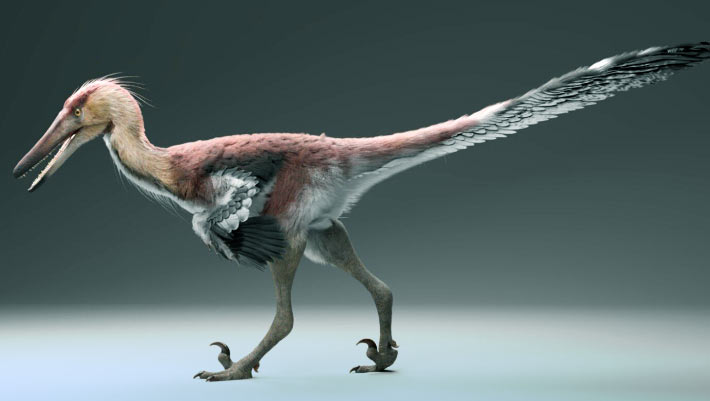
 Aujourd'hui, nous examinons un hadrosaure récemment décrit avec un look unique, Gongshuilong fanwei ! Gongshuilong vivait dans ce qui est aujourd'hui l'est de la Chine, à la fin du Crétacé, il y a entre 68 et 66 millions d'années.  Du bec à la queue, il mesurait environ 7 m de long et aurait été un herbivore de son vivant.  Le nom du genre se traduit du mandarin par "Dragon de la rivière Gong" en référence à la rivière Gong près de l'endroit où ses os ont été découverts. Reconstruction de la vie de Gongshuilong à l'aquarelle b
10/05/2026 prehistoricbeastoftheweek ⚙ Traduction automatique
Mexidracon: Beast of the Week
Mexidracon : Bête de la semaine
Mexique Crétacé Crétacé supérieur Dinosauria
 Cette semaine, nous allons nous intéresser à un théropode inhabituel.  Découvrez Mexidracon longimanus !Mexidracon était un dinosaure théropode qui vivait dans ce qui est aujourd'hui Coahuila, au Mexique, à la fin du Crétacé, il y a environ 72 millions d'années.  Du bec à la queue, il mesurait environ 3 mètres de long.  Son nom de genre se traduit par « Dragon mexicain » et son nom d'espèce par « longue main ».  Il se peut qu'il ait mangé des plantes de son vivant ou qu'il ait peut-être mangé un mélange de plantes et de viande.  Reconstruction de la vie du Mexidracon dans
03/05/2026 prehistoricbeastoftheweek ⚙ Traduction automatique
1 2 3 4