←

Campanien

Intervalle géologique

39 image(s) · 4 Actualités

Voir la fiche

Galerie d'images

African locality: 5, Majunga, Maevarano Formation (Campanian): Rahonavis ostromi.
Formations Maevarano

African locality: 5, Majunga, Maevarano Formation (Campanian): Rahonavis ostromi.

Maevarano Campanien Rahonavis formation
Locality map: Grand Staircase-Escalante National Monument, southern Utah.
Map showing the Nipple Butte area (indicated by yellow star) of Grand Staircase-Escalante National Monument (GSENM). GSENM is bounded by the red rectangle and silhouetted in dark gray on the inset of Utah and surrounding states (modified from [1]).

The original map has been modified to show the Nipple Butte area instead of the Machairoceratops fossil locality as in the original source. New location based on map in A New Macrovertebrate Assemblage from the Late Cretaceous (Campanian) of Southern Utah, page 601.

Locality map: Grand Staircase-Escalante National Monument, southern Utah. Map showing the Nipple Butte area (indicated by yellow star) of Grand Staircase-Escalante National Monument (GSENM). GSENM is bounded by the red rectangle and silhouetted in dark gray on the inset of Utah and surrounding states (modified from [1]). The original map has been modified to show the Nipple Butte area instead of the Machairoceratops fossil locality as in the original source. New location based on map in A New Macrovertebrate Assemblage from the Late Cretaceous (Campanian) of Southern Utah, page 601.

Campanien Crétacé Crétacé supérieur fossile +1
Kaiparowits Formation (Campanian; Upper Cretaceous) at The Blues, near Powell Point (peak to the left) composed of the Claron Formation.

Kaiparowits Formation (Campanian; Upper Cretaceous) at The Blues, near Powell Point (peak to the left) composed of the Claron Formation.

Kaiparowits Campanien Crétacé formation
Map of Grand Staircase-Escalante National Monument (GSENM), southern Utah (A), and generalized stratigraphic section of the upper Campanian Kaiprowits Formation (B). The approximate stratigraphic position of Akainacephalus johnsoni is located near the base of the middle unit within the Kaiparowits Formation. The map highlights the GSENM boundary (dashed line), showing the geological distribution and outcrops of the Cretaceous Kaiparowits, Wahweap, and Straight Cliffs formations. The red star indicates the Horse Mountain area, from which Akainacephalus johnsoni was recorded. Map and stratigraphic column modified from Roberts (2005). Radioisotopic dates used from Roberts, Deino & Chan (2005) and Roberts et al. (2013), respectively.
Formations Kaiparowits

Map of Grand Staircase-Escalante National Monument (GSENM), southern Utah (A), and generalized stratigraphic section of the upper Campanian Kaiprowits Formation (B). The approximate stratigraphic position of Akainacephalus johnsoni is located near the base of the middle unit within the Kaiparowits Formation. The map highlights the GSENM boundary (dashed line), showing the geological distribution and outcrops of the Cretaceous Kaiparowits, Wahweap, and Straight Cliffs formations. The red star indicates the Horse Mountain area, from which Akainacephalus johnsoni was recorded. Map and stratigraphic column modified from Roberts (2005). Radioisotopic dates used from Roberts, Deino & Chan (2005) and Roberts et al. (2013), respectively.

Kaiparowits Campanien Crétacé Akainacephalus +1
Holotype of Khunnuchelys lophorhothon sp. nov. from Baybishe, northeastern Aral Sea region, Kazakhstan, Bostobe Formation, Santonian–early Campanian, Late Cretaceous, ZIN PH 5/55, a partial skull; in dorsal (A), ventral (B), lateral (C), and anterior (D) views. Photographs (A1–D1), explanatory drawings (A2–D2).
Formations Bostobe

Holotype of Khunnuchelys lophorhothon sp. nov. from Baybishe, northeastern Aral Sea region, Kazakhstan, Bostobe Formation, Santonian–early Campanian, Late Cretaceous, ZIN PH 5/55, a partial skull; in dorsal (A), ventral (B), lateral (C), and anterior (D) views. Photographs (A1–D1), explanatory drawings (A2–D2).

dessin Kazakhstan Bostobe Campanien +8
World map showing Late Cretaceous metatherian locales.

Europe

1. Font-de-Benon quarry, Archingeay-Les Nouillers (Cenomanian, Late Cretaceous), Charente-Maritime, southwestern France (Vullo et al. 2009)
2. Valkenburg Member, Maastricht Formation (late Maastrichtian, Late Cretaceous), southern Limburg, The Netherlands (Martin et al. 2005)
Asia

3. Yixian Formation, China (Barremian, Early Cretaceous)
4. Bissekty Formation, Kyzylkum Desert, Uzbekistan (Turonian, Late Cretaceous)
5. Darbasa Formation, southern Kazakhstan (Campanian, Late Cretaceous)
6. Grey Mesa locality (Averianov 1997)
7. Barun Goyot Formation, Umuni Gobi, Mongolia (Campanian, Late Cretaceous)
8. Nemegt Formation, Omnogov, Mongolia (Maastrichtian, Late Cretaceous)
9. Djadokhta Formation, Mongolia (Campanian, Late Cretaceous)

North America
Alaska

9. Prince Creek Formation, Alaska (early Maastrichtian, Late Cretaceous)
Alberta and Saskatchewan, Canada

10. Milk River Formation, southern Alberta, Canada (late Santonian, Late Cretaceous)
11. Oldman Formation, southern Alberta, Canada (Campanian, Late Cretaceous)
12. Dinosaur Park Formation, southern Alberta, Canada (late Campanian, Late Cretaceous)


13. Horseshoe Canyon Formation, southern Alberta, Canada (early Maastrichtian, Late Cretaceous)
14. St. Mary River Formation, Alberta and northwestern Montana (early Maastrichtian, Late Cretaceous)


15. Scollard Formation, Alberta (late Maastrichtian, Late Cretaceous)
16. Frenchman Formation, Saskatchewan (late Maastrichtian, Late Cretaceous)
Montana and North Dakota

17. Judith River Formation (late Campanian, Late Cretaceous)
18. Two Medicine Formation (late Campanian, Late Cretaceous)
19. Hell Creek Formation, Montana and North Dakota (late Maastrichtian, Late Cretaceous)

South Dakota

20. Fox Hills Formation, South Dakota (late Maastrichtian, Late Cretaceous)
21. Hell Creek Formation, South Dakota (late Maastrichtian, Late Cretaceous)
Wyoming

22. “Mesa Verde Formation” (late Campanian, Late Cretaceous)
23. Lance Formation, Wyoming (late Maastrichtian, Late Cretaceous)
24. Ferris Formation, Wyoming (late Maastrichtian, Late Cretaceous)

Utah

25. Cedar Mountain Formation (Albian-Cenomanian)
26. Dakota Formation fauna (late Cenomanian, Late Cretaceous)
27. Smoky Hollow Member, Straight Cliffs Formation (Turonian, Late Cretaceous)
28. John Henry Member, Straight Cliffs Formation (Coniacian-Santonian, Late Cretaceous)
29. Wahweap Formation (early-middle Campanian, Late Cretaceous)
30. Kaiparowits Formation (late Campanian, Late Cretaceous)
31. Iron Springs Formation fauna, southern Utah (Turonian – Santonian, Late Cretaceous)
32. North Horn Formation, Utah (late Maastrichtian, Late Cretaceous)
Colorado

33. Williams Fork Formation, Colorado (late Campanian-early Maastrichtian)


34. Laramie Formation, northeastern Colorado (late Maastrichtian, Late Cretaceous)

Baja California Del Norte, Mexico

35. El Gallo Formation (late Campanian, Late Cretaceous) (Clemens 1980; Lillegraven 1972; Lillegraven 1976)
New Mexico

36. Fruitland and lower Kirtland Formation, San Juan Basin (late Campanian, Late Cretaceous)
37. Naashoibito Member, Kirtland Formation, New Mexico (late Maastrichtian, Late Cretaceous)
Oklahoma

38. Antlers Formation, Texas and Oklahoma (Aptian-Albian, Early Cretaceous)
Texas

39. Aguja Formation, West Texas (late Campanian, Late Cretaceous)
New Jersey

40. Marshalltown Formation, New Jersey (Campanian, Late Cretaceous)
Szalay 1994)
Formations Bissekty

World map showing Late Cretaceous metatherian locales. Europe 1. Font-de-Benon quarry, Archingeay-Les Nouillers (Cenomanian, Late Cretaceous), Charente-Maritime, southwestern France (Vullo et al. 2009) 2. Valkenburg Member, Maastricht Formation (late Maastrichtian, Late Cretaceous), southern Limburg, The Netherlands (Martin et al. 2005) Asia 3. Yixian Formation, China (Barremian, Early Cretaceous) 4. Bissekty Formation, Kyzylkum Desert, Uzbekistan (Turonian, Late Cretaceous) 5. Darbasa Formation, southern Kazakhstan (Campanian, Late Cretaceous) 6. Grey Mesa locality (Averianov 1997) 7. Barun Goyot Formation, Umuni Gobi, Mongolia (Campanian, Late Cretaceous) 8. Nemegt Formation, Omnogov, Mongolia (Maastrichtian, Late Cretaceous) 9. Djadokhta Formation, Mongolia (Campanian, Late Cretaceous) North America Alaska 9. Prince Creek Formation, Alaska (early Maastrichtian, Late Cretaceous) Alberta and Saskatchewan, Canada 10. Milk River Formation, southern Alberta, Canada (late Santonian, Late Cretaceous) 11. Oldman Formation, southern Alberta, Canada (Campanian, Late Cretaceous) 12. Dinosaur Park Formation, southern Alberta, Canada (late Campanian, Late Cretaceous) 13. Horseshoe Canyon Formation, southern Alberta, Canada (early Maastrichtian, Late Cretaceous) 14. St. Mary River Formation, Alberta and northwestern Montana (early Maastrichtian, Late Cretaceous) 15. Scollard Formation, Alberta (late Maastrichtian, Late Cretaceous) 16. Frenchman Formation, Saskatchewan (late Maastrichtian, Late Cretaceous) Montana and North Dakota 17. Judith River Formation (late Campanian, Late Cretaceous) 18. Two Medicine Formation (late Campanian, Late Cretaceous) 19. Hell Creek Formation, Montana and North Dakota (late Maastrichtian, Late Cretaceous) South Dakota 20. Fox Hills Formation, South Dakota (late Maastrichtian, Late Cretaceous) 21. Hell Creek Formation, South Dakota (late Maastrichtian, Late Cretaceous) Wyoming 22. “Mesa Verde Formation” (late Campanian, Late Cretaceous) 23. Lance Formation, Wyoming (late Maastrichtian, Late Cretaceous) 24. Ferris Formation, Wyoming (late Maastrichtian, Late Cretaceous) Utah 25. Cedar Mountain Formation (Albian-Cenomanian) 26. Dakota Formation fauna (late Cenomanian, Late Cretaceous) 27. Smoky Hollow Member, Straight Cliffs Formation (Turonian, Late Cretaceous) 28. John Henry Member, Straight Cliffs Formation (Coniacian-Santonian, Late Cretaceous) 29. Wahweap Formation (early-middle Campanian, Late Cretaceous) 30. Kaiparowits Formation (late Campanian, Late Cretaceous) 31. Iron Springs Formation fauna, southern Utah (Turonian – Santonian, Late Cretaceous) 32. North Horn Formation, Utah (late Maastrichtian, Late Cretaceous) Colorado 33. Williams Fork Formation, Colorado (late Campanian-early Maastrichtian) 34. Laramie Formation, northeastern Colorado (late Maastrichtian, Late Cretaceous) Baja California Del Norte, Mexico 35. El Gallo Formation (late Campanian, Late Cretaceous) (Clemens 1980; Lillegraven 1972; Lillegraven 1976) New Mexico 36. Fruitland and lower Kirtland Formation, San Juan Basin (late Campanian, Late Cretaceous) 37. Naashoibito Member, Kirtland Formation, New Mexico (late Maastrichtian, Late Cretaceous) Oklahoma 38. Antlers Formation, Texas and Oklahoma (Aptian-Albian, Early Cretaceous) Texas 39. Aguja Formation, West Texas (late Campanian, Late Cretaceous) New Jersey 40. Marshalltown Formation, New Jersey (Campanian, Late Cretaceous) Szalay 1994)

Canada Chine France Kazakhstan +18
World map showing Late Cretaceous metatherian locales.

Europe

1. Font-de-Benon quarry, Archingeay-Les Nouillers (Cenomanian, Late Cretaceous), Charente-Maritime, southwestern France (Vullo et al. 2009)
2. Valkenburg Member, Maastricht Formation (late Maastrichtian, Late Cretaceous), southern Limburg, The Netherlands (Martin et al. 2005)
Asia

3. Yixian Formation, China (Barremian, Early Cretaceous)
4. Bissekty Formation, Kyzylkum Desert, Uzbekistan (Turonian, Late Cretaceous)
5. Darbasa Formation, southern Kazakhstan (Campanian, Late Cretaceous)
6. Grey Mesa locality (Averianov 1997)
7. Barun Goyot Formation, Umuni Gobi, Mongolia (Campanian, Late Cretaceous)
8. Nemegt Formation, Omnogov, Mongolia (Maastrichtian, Late Cretaceous)
9. Djadokhta Formation, Mongolia (Campanian, Late Cretaceous)

North America
Alaska

9. Prince Creek Formation, Alaska (early Maastrichtian, Late Cretaceous)
Alberta and Saskatchewan, Canada

10. Milk River Formation, southern Alberta, Canada (late Santonian, Late Cretaceous)
11. Oldman Formation, southern Alberta, Canada (Campanian, Late Cretaceous)
12. Dinosaur Park Formation, southern Alberta, Canada (late Campanian, Late Cretaceous)


13. Horseshoe Canyon Formation, southern Alberta, Canada (early Maastrichtian, Late Cretaceous)
14. St. Mary River Formation, Alberta and northwestern Montana (early Maastrichtian, Late Cretaceous)


15. Scollard Formation, Alberta (late Maastrichtian, Late Cretaceous)
16. Frenchman Formation, Saskatchewan (late Maastrichtian, Late Cretaceous)
Montana and North Dakota

17. Judith River Formation (late Campanian, Late Cretaceous)
18. Two Medicine Formation (late Campanian, Late Cretaceous)
19. Hell Creek Formation, Montana and North Dakota (late Maastrichtian, Late Cretaceous)

South Dakota

20. Fox Hills Formation, South Dakota (late Maastrichtian, Late Cretaceous)
21. Hell Creek Formation, South Dakota (late Maastrichtian, Late Cretaceous)
Wyoming

22. “Mesa Verde Formation” (late Campanian, Late Cretaceous)
23. Lance Formation, Wyoming (late Maastrichtian, Late Cretaceous)
24. Ferris Formation, Wyoming (late Maastrichtian, Late Cretaceous)

Utah

25. Cedar Mountain Formation (Albian-Cenomanian)
26. Dakota Formation fauna (late Cenomanian, Late Cretaceous)
27. Smoky Hollow Member, Straight Cliffs Formation (Turonian, Late Cretaceous)
28. John Henry Member, Straight Cliffs Formation (Coniacian-Santonian, Late Cretaceous)
29. Wahweap Formation (early-middle Campanian, Late Cretaceous)
30. Kaiparowits Formation (late Campanian, Late Cretaceous)
31. Iron Springs Formation fauna, southern Utah (Turonian – Santonian, Late Cretaceous)
32. North Horn Formation, Utah (late Maastrichtian, Late Cretaceous)
Colorado

33. Williams Fork Formation, Colorado (late Campanian-early Maastrichtian)


34. Laramie Formation, northeastern Colorado (late Maastrichtian, Late Cretaceous)

Baja California Del Norte, Mexico

35. El Gallo Formation (late Campanian, Late Cretaceous) (Clemens 1980; Lillegraven 1972; Lillegraven 1976)
New Mexico

36. Fruitland and lower Kirtland Formation, San Juan Basin (late Campanian, Late Cretaceous)
37. Naashoibito Member, Kirtland Formation, New Mexico (late Maastrichtian, Late Cretaceous)
Oklahoma

38. Antlers Formation, Texas and Oklahoma (Aptian-Albian, Early Cretaceous)
Texas

39. Aguja Formation, West Texas (late Campanian, Late Cretaceous)
New Jersey

40. Marshalltown Formation, New Jersey (Campanian, Late Cretaceous)
Szalay 1994)
Formations Frenchman

World map showing Late Cretaceous metatherian locales. Europe 1. Font-de-Benon quarry, Archingeay-Les Nouillers (Cenomanian, Late Cretaceous), Charente-Maritime, southwestern France (Vullo et al. 2009) 2. Valkenburg Member, Maastricht Formation (late Maastrichtian, Late Cretaceous), southern Limburg, The Netherlands (Martin et al. 2005) Asia 3. Yixian Formation, China (Barremian, Early Cretaceous) 4. Bissekty Formation, Kyzylkum Desert, Uzbekistan (Turonian, Late Cretaceous) 5. Darbasa Formation, southern Kazakhstan (Campanian, Late Cretaceous) 6. Grey Mesa locality (Averianov 1997) 7. Barun Goyot Formation, Umuni Gobi, Mongolia (Campanian, Late Cretaceous) 8. Nemegt Formation, Omnogov, Mongolia (Maastrichtian, Late Cretaceous) 9. Djadokhta Formation, Mongolia (Campanian, Late Cretaceous) North America Alaska 9. Prince Creek Formation, Alaska (early Maastrichtian, Late Cretaceous) Alberta and Saskatchewan, Canada 10. Milk River Formation, southern Alberta, Canada (late Santonian, Late Cretaceous) 11. Oldman Formation, southern Alberta, Canada (Campanian, Late Cretaceous) 12. Dinosaur Park Formation, southern Alberta, Canada (late Campanian, Late Cretaceous) 13. Horseshoe Canyon Formation, southern Alberta, Canada (early Maastrichtian, Late Cretaceous) 14. St. Mary River Formation, Alberta and northwestern Montana (early Maastrichtian, Late Cretaceous) 15. Scollard Formation, Alberta (late Maastrichtian, Late Cretaceous) 16. Frenchman Formation, Saskatchewan (late Maastrichtian, Late Cretaceous) Montana and North Dakota 17. Judith River Formation (late Campanian, Late Cretaceous) 18. Two Medicine Formation (late Campanian, Late Cretaceous) 19. Hell Creek Formation, Montana and North Dakota (late Maastrichtian, Late Cretaceous) South Dakota 20. Fox Hills Formation, South Dakota (late Maastrichtian, Late Cretaceous) 21. Hell Creek Formation, South Dakota (late Maastrichtian, Late Cretaceous) Wyoming 22. “Mesa Verde Formation” (late Campanian, Late Cretaceous) 23. Lance Formation, Wyoming (late Maastrichtian, Late Cretaceous) 24. Ferris Formation, Wyoming (late Maastrichtian, Late Cretaceous) Utah 25. Cedar Mountain Formation (Albian-Cenomanian) 26. Dakota Formation fauna (late Cenomanian, Late Cretaceous) 27. Smoky Hollow Member, Straight Cliffs Formation (Turonian, Late Cretaceous) 28. John Henry Member, Straight Cliffs Formation (Coniacian-Santonian, Late Cretaceous) 29. Wahweap Formation (early-middle Campanian, Late Cretaceous) 30. Kaiparowits Formation (late Campanian, Late Cretaceous) 31. Iron Springs Formation fauna, southern Utah (Turonian – Santonian, Late Cretaceous) 32. North Horn Formation, Utah (late Maastrichtian, Late Cretaceous) Colorado 33. Williams Fork Formation, Colorado (late Campanian-early Maastrichtian) 34. Laramie Formation, northeastern Colorado (late Maastrichtian, Late Cretaceous) Baja California Del Norte, Mexico 35. El Gallo Formation (late Campanian, Late Cretaceous) (Clemens 1980; Lillegraven 1972; Lillegraven 1976) New Mexico 36. Fruitland and lower Kirtland Formation, San Juan Basin (late Campanian, Late Cretaceous) 37. Naashoibito Member, Kirtland Formation, New Mexico (late Maastrichtian, Late Cretaceous) Oklahoma 38. Antlers Formation, Texas and Oklahoma (Aptian-Albian, Early Cretaceous) Texas 39. Aguja Formation, West Texas (late Campanian, Late Cretaceous) New Jersey 40. Marshalltown Formation, New Jersey (Campanian, Late Cretaceous) Szalay 1994)

Canada Chine France Kazakhstan +18
Tarsometatarsi of caenagnathids from the Upper Campanian Dinosaur Park Formation, Dinosaur Provincial Park, Alberta, Canada. A. TMP 1993.036.0181 (Chirostenotes pergracilis). B. TMP 1982.016.0006 (Citipes elegans). C. ROM 781 (Citipes elegans holotype). D. TMP 1996.012.0141 (Citipes elegans). Tarsometatarsi in proximal (A1–D1), anterior (A2–D2), and posterior (A3–D3) views.

Tarsometatarsi of caenagnathids from the Upper Campanian Dinosaur Park Formation, Dinosaur Provincial Park, Alberta, Canada. A. TMP 1993.036.0181 (Chirostenotes pergracilis). B. TMP 1982.016.0006 (Citipes elegans). C. ROM 781 (Citipes elegans holotype). D. TMP 1996.012.0141 (Citipes elegans). Tarsometatarsi in proximal (A1–D1), anterior (A2–D2), and posterior (A3–D3) views.

Canada Dinosaur Park Campanien holotype +6
Crâne de mosasaure d'espèce Platecarpus tympaniticus (squamates, mosasaures).
Provenance : Smoky Hill Chalk, Kansas (aux Etats-Unis).
Date : Crétacé supérieur, période du Campanien, 88 millions d'années avant notre ère.
Collections du Muséum national d'histoire naturelle de Paris (France).
Exposé à l'occasion de l'exposition "Un T-Rex à Paris" au Muséum national d'histoire naturelle de Paris (France) du 6 juin au 2 septembre 2018.

Légende du fossile dans cette exposition : "Les mosasaures ne sont pas des dinosaures mais des reptiles marins, très répandus à la fin du Crétacé. Certains genres comme Globidens et Halisaurus sont connus aussi bien aux Etats-Unis qu'au Maroc. Ces animaux étaient d'excellents nageurs, capables de traverser l'Atlantique."

Crâne de mosasaure d'espèce Platecarpus tympaniticus (squamates, mosasaures). Provenance : Smoky Hill Chalk, Kansas (aux Etats-Unis). Date : Crétacé supérieur, période du Campanien, 88 millions d'années avant notre ère. Collections du Muséum national d'histoire naturelle de Paris (France). Exposé à l'occasion de l'exposition "Un T-Rex à Paris" au Muséum national d'histoire naturelle de Paris (France) du 6 juin au 2 septembre 2018. Légende du fossile dans cette exposition : "Les mosasaures ne sont pas des dinosaures mais des reptiles marins, très répandus à la fin du Crétacé. Certains genres comme Globidens et Halisaurus sont connus aussi bien aux Etats-Unis qu'au Maroc. Ces animaux étaient d'excellents nageurs, capables de traverser l'Atlantique."

France Maroc Campanien Crétacé +8
Life restoration of the mosasaurine mosasaurid Eremiasaurus, with unknown portions and soft tissues based primarily on Prognathodon and supplemented with Mosasaurus where needed.
References
Leblanc, A.R.H.; Caldwell, M.W.; Bardet, N. (2012). "A new mosasaurine from the Maastrichtian (Upper Cretaceous) phosphates of Morocco and its implications for mosasaurine systematics". Journal of Vertebrate Paleontology 32 (1): 82–104.
Lindgren, J.; Kaddumi, H.; Polcyn, M. (2013). "Soft tissue preservation in a fossil marine lizard with a bilobed tail fin". Nature Communications 4: 2423. DOI:10.1038/ncomms3423.
Konishi, T.; Brinkman, D.; Massare, J.A.; Caldwell, M.W. (2011). "New exceptional specimens of Prognathodon overtoni (Squamata, Mosasauridae) from the upper Campanian of Alberta, Canada, and the systematics and ecology of the genus". Journal of Vertebrate Paleontology 31 (5): 1026–1046.
Russell, D.A. (1967). "Systematics and morphology of American mosasaurs". Bulletin of the Peabody Museum of Natural History 23: 1–241.

Life restoration of the mosasaurine mosasaurid Eremiasaurus, with unknown portions and soft tissues based primarily on Prognathodon and supplemented with Mosasaurus where needed. References Leblanc, A.R.H.; Caldwell, M.W.; Bardet, N. (2012). "A new mosasaurine from the Maastrichtian (Upper Cretaceous) phosphates of Morocco and its implications for mosasaurine systematics". Journal of Vertebrate Paleontology 32 (1): 82–104. Lindgren, J.; Kaddumi, H.; Polcyn, M. (2013). "Soft tissue preservation in a fossil marine lizard with a bilobed tail fin". Nature Communications 4: 2423. DOI:10.1038/ncomms3423. Konishi, T.; Brinkman, D.; Massare, J.A.; Caldwell, M.W. (2011). "New exceptional specimens of Prognathodon overtoni (Squamata, Mosasauridae) from the upper Campanian of Alberta, Canada, and the systematics and ecology of the genus". Journal of Vertebrate Paleontology 31 (5): 1026–1046. Russell, D.A. (1967). "Systematics and morphology of American mosasaurs". Bulletin of the Peabody Museum of Natural History 23: 1–241.

tissus écologie musée Canada +11
1 2 3

Actualités

Un nouveau tyrannosaure remarquable met en lumière un puzzle évolutif
prédateur Canada Campanien Crétacé Crétacé supérieur fossile Tyrannosauridae nouvelle espèce étude
Une nouvelle espèce de grand tyrannosaure a été nommée et décrite à partir de fossiles trouvés en Alberta (Canada). Le nouveau théropode, Tromerosaurus solumons, vivait il y a environ 76 millions d'années (stade faunique campanien du Crétacé supérieur). Curieusement, ce prédateur possédait un mélange de caractéristiques anatomiques associées à deux lignées majeures de tyrannosauridés. L'étude pourrait changer notre
05/10/2026 everythingdinosaur ⚙ Traduction automatique
Un nouveau genre de dinosaure troodontidé du Nouveau-Mexique
os Mexique Campanien Crétacé Crétacé supérieur fossile Dinevenator Dinosauria Troodontidae nouvelle espèce crâne
Les paléontologues ont nommé une nouvelle espèce de dinosaure théropode du Nouveau-Mexique. Le dinosaure, Dinevenator Robustus, vivait il y a environ 73 millions d'années (stade faunique campanien du Crétacé supérieur). Les chercheurs ont identifié le dinosaure à partir d’un os fossile du crâne (un frontal) trouvé dans le nord-ouest du Nouveau-Mexique. Il représente un nouveau genre et une nouvelle espèce de troodontidé. Troodontidés
13/08/2026 everythingdinosaur ⚙ Traduction automatique
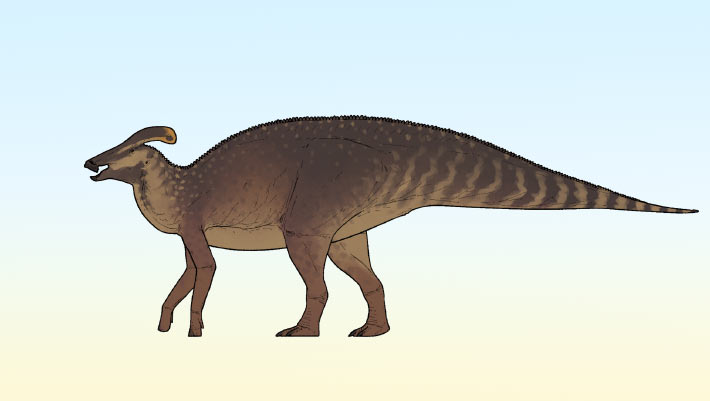
New Crested Dinosaur Species Identified in Canada
De nouvelles espèces de dinosaures à crête identifiées au Canada
crête Canada Campanien Crétacé Dinosauria Hadrosauridae datation nouvelle espèce
Un nouveau genre et une nouvelle espèce de dinosaure hadrosauridé lambéosaurine ont été identifiés dans le sud de l'Alberta, au Canada, remontant à 77 millions d'années, à l'âge campanien du Crétacé. L'article Nouvelles espèces de dinosaures à crête identifiées au Canada apparaît en premier sur Sci.News : Breaking Science News.
14/07/2026 sci-news ⚙ Traduction automatique
Une nouvelle espèce d’énorme mosasaure est décrite
prédateur Campanien Crétacé Crétacé supérieur fossile Mosasaurus Tylosaurus nouvelle espèce
Une espèce géante de Tylosaurus nouvellement nommée a été nommée par les chercheurs.  La nouvelle espèce de Tylosaurus a été érigée sur la base de fossiles trouvés dans le nord du Texas. Cet énorme prédateur régnait sur les mers anciennes il y a environ 80 millions d’années (stade faunique campanien du Crétacé supérieur).  L'article scientifique a été publié dans le Bulletin of the American
26/05/2026 everythingdinosaur ⚙ Traduction automatique