←

Dinosauria

Taxon

300 image(s) · 313 News

View page

Image gallery

Simplified cladogram of Iguanodontia, drawn by me, based on Norman 2004 ("Basal Iguanodontia" in The Dinosauria 2nd Edition).

Simplified cladogram of Iguanodontia, drawn by me, based on Norman 2004 ("Basal Iguanodontia" in The Dinosauria 2nd Edition).

Dinosauria Iguanodon Iguanodontia
Borealopelta is one of the best preserved dinosaurs in the fossil record. Typical of nodosaurs, it had an armored back and long spikes protruding from the shoulders. The known specimen is so well preserved, the fossilized skin reveals Borealopelta had a dark reddish-brown coloration on its back, countershaded with lighter skin tones lower on its belly.

Borealopelta is one of the best preserved dinosaurs in the fossil record. Typical of nodosaurs, it had an armored back and long spikes protruding from the shoulders. The known specimen is so well preserved, the fossilized skin reveals Borealopelta had a dark reddish-brown coloration on its back, countershaded with lighter skin tones lower on its belly.

skin fossil specimen Borealopelta +1
Size comparison between the dinosaur Oviraptor and a human.

Size comparison between the dinosaur Oviraptor and a human.

Dinosauria Oviraptor
Figure 30. Dinosaur eggshells. (A-B, E) Fusioolithus sp. eggshell fragment (MPM 21543). A, external view; B, radial section; E, radial section showing the microstructure of the sample. (C-D, F) Prismatoolithidae eggshell fragment (MPM 21551) (C) external view; (D) radial section; (F) radial section under MEB showing three main structural layers: mammillary, prismatic and external. Abbreviations: CL, continuous layer; ML, mammillary layer. Scale bar 1 mm in A-E, 200 μm in F.
Taxa Fusioolithus

Figure 30. Dinosaur eggshells. (A-B, E) Fusioolithus sp. eggshell fragment (MPM 21543). A, external view; B, radial section; E, radial section showing the microstructure of the sample. (C-D, F) Prismatoolithidae eggshell fragment (MPM 21551) (C) external view; (D) radial section; (F) radial section under MEB showing three main structural layers: mammillary, prismatic and external. Abbreviations: CL, continuous layer; ML, mammillary layer. Scale bar 1 mm in A-E, 200 μm in F.

scale Dinosauria Fusioolithus Prismatoolithidae
Kayrasaurus is a therizinosaurian dinosaur that lived during the Early Cretaceous period in what is now China. At an estimated 3.6 m in total body length, it is the largest therizinosaur known from the Jehol Biota. Like other therizinosaurs, Kayrasaurus was a bipedal herbivore with large curved claws on each hand.
Taxa Kayrasaurus

Kayrasaurus is a therizinosaurian dinosaur that lived during the Early Cretaceous period in what is now China. At an estimated 3.6 m in total body length, it is the largest therizinosaur known from the Jehol Biota. Like other therizinosaurs, Kayrasaurus was a bipedal herbivore with large curved claws on each hand.

claw China Cretaceous Early Cretaceous +3
Map of Cretaceous-aged dinosaur fossil localities of Mongolia.
Gobihadros mongoliensis was collected from Bayshin Tsav in Area C. Open squares indicate Late Cretaceous sites, solid squares represent Early Cretaceous localities. Abbreviations: A, Localities of Western Gobi Desert in Mongolia, mainly group of localities of Nemegtian age (early Maastrichtian), Late Cretaceous; B, Localities of Central Gobi Desert in Mongolia, mainly Djadokhtian age (Campanian), Late Cretaceous; C & D- Localities of Eastern Gobi Desert in Mongolia, mainly Baynshirenian age (Cenomanian-Santonian), Late Cretaceous. Figure has been modified from Tsogtbaatar et al. 2014, Figure 1 [24].
Formations Baynshire

Map of Cretaceous-aged dinosaur fossil localities of Mongolia. Gobihadros mongoliensis was collected from Bayshin Tsav in Area C. Open squares indicate Late Cretaceous sites, solid squares represent Early Cretaceous localities. Abbreviations: A, Localities of Western Gobi Desert in Mongolia, mainly group of localities of Nemegtian age (early Maastrichtian), Late Cretaceous; B, Localities of Central Gobi Desert in Mongolia, mainly Djadokhtian age (Campanian), Late Cretaceous; C & D- Localities of Eastern Gobi Desert in Mongolia, mainly Baynshirenian age (Cenomanian-Santonian), Late Cretaceous. Figure has been modified from Tsogtbaatar et al. 2014, Figure 1 [24].

Mongolia Campanian Cenomanian Cretaceous +8
Restoration of the spinosaurid dinosaur Siamosaurus in the Sao Khua Formation palaeoenvironment, with Sunosuchus in the middle left and a herd of Phuwiangosaurus in the background.
References:
Siamosaurus based on tooth specimens [1] and the neural spine of a possibly referable skeleton[2], with other missing elements filled in with relatives (Suchomimus[3], Baryonyx[4], IchthyovenatorFile:Ichthyovenator_laosensis_skeletal_reconstruction_by_PaleoGeek.png).
Phuwiangosaurus based on skeletal by Suteethorn et al. (2009)[5] and missing elements of skull of EuhelopusFile:Euhelopus.png.

Sunosuchus based on Suteethorn and Ingavat (1983)[6] and missing elements based on Goniopholis[7].
Formations Sao Khua

Restoration of the spinosaurid dinosaur Siamosaurus in the Sao Khua Formation palaeoenvironment, with Sunosuchus in the middle left and a herd of Phuwiangosaurus in the background. References: Siamosaurus based on tooth specimens [1] and the neural spine of a possibly referable skeleton[2], with other missing elements filled in with relatives (Suchomimus[3], Baryonyx[4], IchthyovenatorFile:Ichthyovenator_laosensis_skeletal_reconstruction_by_PaleoGeek.png). Phuwiangosaurus based on skeletal by Suteethorn et al. (2009)[5] and missing elements of skull of EuhelopusFile:Euhelopus.png. Sunosuchus based on Suteethorn and Ingavat (1983)[6] and missing elements based on Goniopholis[7].

tooth drawing Sao Khua specimen +11
Reconstruction of Bissektipelta archibaldi an ankylosaurid dinosaur from the Late Cretaceous of Uzbekistan
Taxa Bissektipelta

Reconstruction of Bissektipelta archibaldi an ankylosaurid dinosaur from the Late Cretaceous of Uzbekistan

Uzbekistan Cretaceous Late Cretaceous Ankylosauridae +2
Huaxiazhoulong is a fairly large ankylosaurid dinosaur, at around 6 m in length. It was a robust quadruped with a beak and teeth adapted for processing its herbivorous diet. Huaxiazhoulong had an armor of osteoderms, and the characteristic ankylosaurid tail club which was likely used in defense against predators, as well as intraspecific combat.
Taxa Huaxiazhoulong

Huaxiazhoulong is a fairly large ankylosaurid dinosaur, at around 6 m in length. It was a robust quadruped with a beak and teeth adapted for processing its herbivorous diet. Huaxiazhoulong had an armor of osteoderms, and the characteristic ankylosaurid tail club which was likely used in defense against predators, as well as intraspecific combat.

armor defense predator Ankylosauridae +2
Calvarius is a genus of styracosternan ornithopod from the Late Cretaceous of Spain. The name alludes to its chronostratigraphic proximity to the extinction event that wiped out the non-avian dinosaurs at the end of the Cretaceous. The highly modified metatarsal that is known from shows an example of convergent evolution, as it is more similar to non-iguanodontian ornithopods than to other styracosternans. It is thought that this is due to fulfilling a niche in its island habitat, resulting in Calvarius becoming a small-bodied animal, capable of rapid locomotion.
Taxa Calvarius

Calvarius is a genus of styracosternan ornithopod from the Late Cretaceous of Spain. The name alludes to its chronostratigraphic proximity to the extinction event that wiped out the non-avian dinosaurs at the end of the Cretaceous. The highly modified metatarsal that is known from shows an example of convergent evolution, as it is more similar to non-iguanodontian ornithopods than to other styracosternans. It is thought that this is due to fulfilling a niche in its island habitat, resulting in Calvarius becoming a small-bodied animal, capable of rapid locomotion.

locomotion Spain Cretaceous Late Cretaceous +6
Micropachycephalosaurus is a small, bipedal herbivore with unclear placement on the dinosaur family tree. Despite its name, it may have been a basal ceratopsian rather than a pachycephalosaur. Befitting of its name however, Micropachycephalosaurus was very small, reaching only about 1 m in total body length.
Taxa Micropachycephalosaurus

Micropachycephalosaurus is a small, bipedal herbivore with unclear placement on the dinosaur family tree. Despite its name, it may have been a basal ceratopsian rather than a pachycephalosaur. Befitting of its name however, Micropachycephalosaurus was very small, reaching only about 1 m in total body length.

Ceratopsia Dinosauria Micropachycephalosaurus Pachycephalosauria
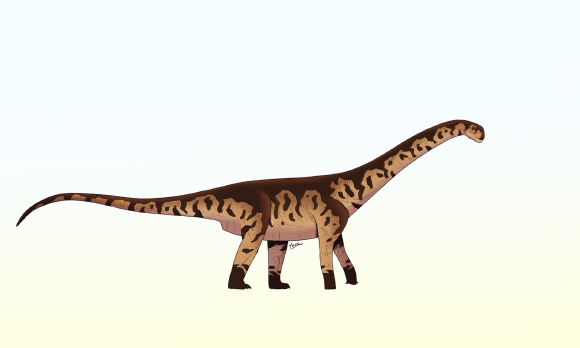
Astigmasaura is a medium-sized rebbachisaurid sauropod dinosaur from the Late Cretaceous period of what is now Argentina. Rebbachisaurids had highly pneumatized bones that helped them to hold their weight on their four pillar-like legs, and extremely long tails. Astigmasaura was likely a ground-level browsing herbivore.
Taxa Astigmasaura

Astigmasaura is a medium-sized rebbachisaurid sauropod dinosaur from the Late Cretaceous period of what is now Argentina. Rebbachisaurids had highly pneumatized bones that helped them to hold their weight on their four pillar-like legs, and extremely long tails. Astigmasaura was likely a ground-level browsing herbivore.

bone Argentina Cretaceous Late Cretaceous +3
Rebbachisaurids are the latest known sauropod dinosaurs outside the titanosaur lineage. Cienciargentina is a rebbachisaurid from the Late Cretaceous, making it among the most recent. It had many hollow bones, and likely had batteries of teeth used for chewing, a rebbachisaurid feature unique among sauropods.
Taxa Cienciargentina

Rebbachisaurids are the latest known sauropod dinosaurs outside the titanosaur lineage. Cienciargentina is a rebbachisaurid from the Late Cretaceous, making it among the most recent. It had many hollow bones, and likely had batteries of teeth used for chewing, a rebbachisaurid feature unique among sauropods.

bone Cretaceous Late Cretaceous Cienciargentina +3
Original caption: "Calibrated phylogeny of Neosauropoda. Summarized strict consensus tree showing the relationships among neosauropod dinosaurs and the phylogenetic position of Tapuiasaurus macedoi gen. n. sp. n. The support values (Bremer/Bootstrap) for the nodes labelled in the figure are: Neosauropoda (1/-), Somphospondyli (2/68), Titanosauria (2/58), Lithostrotia (3/68), “advanced titanosaurians” (3/65), Nemegtosauridae (1/-), Saltasauridae (1/-). See Figure S4 for a complete strict consensus tree including all sauropod terminal taxa used in the analysis. Age of first appearance for taxa used in the calibrated phylogeny are given in Text S4."
Taxa Rayososaurus

Original caption: "Calibrated phylogeny of Neosauropoda. Summarized strict consensus tree showing the relationships among neosauropod dinosaurs and the phylogenetic position of Tapuiasaurus macedoi gen. n. sp. n. The support values (Bremer/Bootstrap) for the nodes labelled in the figure are: Neosauropoda (1/-), Somphospondyli (2/68), Titanosauria (2/58), Lithostrotia (3/68), “advanced titanosaurians” (3/65), Nemegtosauridae (1/-), Saltasauridae (1/-). See Figure S4 for a complete strict consensus tree including all sauropod terminal taxa used in the analysis. Age of first appearance for taxa used in the calibrated phylogeny are given in Text S4."

Dinosauria Lithostrotia Nemegtosauridae Neosauropoda +6
Mesetasaurus is a titanosaurian sauropod dinosaur that lived during the Late Cretaceous period in what is now Uruguay. Like all sauropods, it stood on four pillar-like legs, using its long neck to reach the vegetation it fed on, counterbalanced by its long tail. Relatively small for a titanosaur, Mesetasaurus grew to approximately 10 m in length.
Taxa Mesetasaurus

Mesetasaurus is a titanosaurian sauropod dinosaur that lived during the Late Cretaceous period in what is now Uruguay. Like all sauropods, it stood on four pillar-like legs, using its long neck to reach the vegetation it fed on, counterbalanced by its long tail. Relatively small for a titanosaur, Mesetasaurus grew to approximately 10 m in length.

Uruguay Cretaceous Late Cretaceous Dinosauria +2
Dzharacursor is an ornithomimid theropod dinosaur from the Late Cretaceous of what is now Uzbekistan. Ornithomimids like Dzharacursor are known for their long legs lending to a cursorial, or running, lifestyle. They had a feathered covering, and were likely omnivorous, or possibly herbivorous. Adult Dzharacursor could grow to approximately 3.5 m in length.

Dzharacursor is an ornithomimid theropod dinosaur from the Late Cretaceous of what is now Uzbekistan. Ornithomimids like Dzharacursor are known for their long legs lending to a cursorial, or running, lifestyle. They had a feathered covering, and were likely omnivorous, or possibly herbivorous. Adult Dzharacursor could grow to approximately 3.5 m in length.

Uzbekistan Cretaceous Late Cretaceous Dinosauria +2
1 2 3 4 5 6 7 8 9 10 11 12 13 14 15 16 17 18 19

News

Sue Speaking at DinoCon – A Unique Insight into the Dinosaur Model Industry
Dinosauria
It is true!  Sue speaking at DinoCon 2026!  We teased this on social media and today we can confirm that Sue Judd from Everything Dinosaur will be presenting at this year's DinoCon. Her presentation offers a rare behind-the-scenes look at the creation of the company’s first in-house dinosaur model. The talk is titled "It Takes
14/05/2026 everythingdinosaur
Paleontology rocked by discovery of organic molecules in 66-million-year-old dinosaur bones
bone collagen protein fossil Dinosauria Edmontosaurus discovery
Scientists have uncovered compelling evidence that dinosaur fossils may still contain traces of their original proteins, overturning a long-standing belief that fossilization destroys all organic material. In a remarkably well-preserved Edmontosaurus fossil from South Dakota, researchers detected remnants of collagen — the main protein found in bone — using advanced techniques including mass spectrometry and protein sequencing.
14/05/2026 sciencedaily
This strange giant dinosaur may change what we know about Jurassic titans
Argentina Jurassic fossil Bicharracosaurus Brachiosauria Brachiosauridae Dinosauria Diplodocia evolution
A bizarre new giant dinosaur discovered in Argentina is giving paleontologists a fresh look at how Jurassic titans evolved in the Southern Hemisphere. Bicharracosaurus dionidei stretched about 20 meters long and carried a strange mix of features seen in both Diplodocus and Brachiosaurus relatives. Scientists believe it could represent the first known Jurassic brachiosaurid from South America, helping fill a major gap in the dinosaur fossil record.
12/05/2026 sciencedaily
New Species of Giant Long-Necked Dinosaur Identified in Argentina
Argentina fossil Dinosauria Macronaria new species
Fossils unearthed on a remote Argentine ranch belong to a new genus and species of macronarian sauropod dinosaur, according to an international team of paleontologists led by the Ludwig-Maximilians-Universität München. The post New Species of Giant Long-Necked Dinosaur Identified in Argentina appeared first on Sci.News: Breaking Science News.
11/05/2026 sci-news
Dinosaurs May Have Fed Their Young a Special Diet, Study Suggests
tooth juvenile Dinosauria Hadrosauria Maiasaura study
An analysis of wear on the fossilized teeth of the hadrosaurian dinosaur Maiasaura peeblesorum indicates their juveniles may have eaten softer, more nutritious food than adults, hinting at advanced parental care among dinosaurs. The post Dinosaurs May Have Fed Their Young a Special Diet, Study Suggests appeared first on Sci.News: Breaking Science News.
11/05/2026 sci-news
1 2 3 4 5 6 7 8 9 10 11 12 13 14 15 16 17 18 19 20 21 22 23 24 25 26 27 28 29 30 31 32 33 34 35 36 37 38 39 40 41 42 43 44 45 46 47 48 49 50 51 52 53 54 55 56 57 58 59 60 61 62 63