fossile

Nature du spécimen

267 image(s) · 171 Actualités

Galerie d'images

Jinchuanloong is a relatively basal sauropod that measured an estimated 10 m in length. Sauropod skulls typically don't preserve well in the fossil record, but Jinchuanloong is known mainly from the skull, and parts of the neck and tail. Like all sauropods, Jinchuanloong was a quadrupedal herbivore that used its long neck to reach the vegetation that it fed on.

Jinchuanloong is a relatively basal sauropod that measured an estimated 10 m in length. Sauropod skulls typically don't preserve well in the fossil record, but Jinchuanloong is known mainly from the skull, and parts of the neck and tail. Like all sauropods, Jinchuanloong was a quadrupedal herbivore that used its long neck to reach the vegetation that it fed on.

fossile Jinchuanloong crâne
Fossil of Quetzalcoatlus, an extinct pterosaur- Took the photo at Senckenberg Museum of Frankfurt

Fossil of Quetzalcoatlus, an extinct pterosaur- Took the photo at Senckenberg Museum of Frankfurt

musée fossile Pterosauria Quetzalcoatlus
Artists’ reconstruction of the living Sarabosaurus dahli swimming with ammonites and fish in southern Utah, 94 million years ago. Artwork by Andrey Atuchin. On June 23, 2023, the following link will go live for more information, www.blm.gov/press-release/94-million-year-old-fossil-prov...

Artists’ reconstruction of the living Sarabosaurus dahli swimming with ammonites and fish in southern Utah, 94 million years ago. Artwork by Andrey Atuchin. On June 23, 2023, the following link will go live for more information, www.blm.gov/press-release/94-million-year-old-fossil-prov...

fossile Sarabosaurus Selmasaurini
Various fossils pertaining to the holotype of the Triassic ichthyosaur Toretocnemus (originally Leptocheirus, also Merriamia) zitteli. This image is derived from plate 23 in Merriam (1903), done by an uncredited artist. The arrangement of the individual figures has been modified from the original (most notably, figures 3 and 4 were swapped to minimize confusion).
Original description:
Leptocheirus zitteli n. gen. and sp.
Figures reproduced natural size from the type specimen.

Fig. 1.— Right side of skull.
Fig. 2. — Cross-section of posterior portion of the lower jaw, taken above the point marked A on the lateral view of the skull.
Fig. 3. — Cross-section of the upper and lower jaws, taken at the break immediately behind the point marked Sp on the lateral view of the skull.
Fig. 4. — Lateral view of an anterior caudal centrum.
Legend (modified from original):

Ar - articular
A - angular
D - dentary
J - jugal
L - lacrimal
Mx - maxilla
Po - postorbital
Sa - surangular
Se - sclerotic ring
Sp - spenial
T - cross-section of tooth
X - doubtful element

Various fossils pertaining to the holotype of the Triassic ichthyosaur Toretocnemus (originally Leptocheirus, also Merriamia) zitteli. This image is derived from plate 23 in Merriam (1903), done by an uncredited artist. The arrangement of the individual figures has been modified from the original (most notably, figures 3 and 4 were swapped to minimize confusion). Original description: Leptocheirus zitteli n. gen. and sp. Figures reproduced natural size from the type specimen. Fig. 1.— Right side of skull. Fig. 2. — Cross-section of posterior portion of the lower jaw, taken above the point marked A on the lateral view of the skull. Fig. 3. — Cross-section of the upper and lower jaws, taken at the break immediately behind the point marked Sp on the lateral view of the skull. Fig. 4. — Lateral view of an anterior caudal centrum. Legend (modified from original): Ar - articular A - angular D - dentary J - jugal L - lacrimal Mx - maxilla Po - postorbital Sa - surangular Se - sclerotic ring Sp - spenial T - cross-section of tooth X - doubtful element

description Trias fossile holotype +7
Various fossils pertaining to the holotype of the Triassic ichthyosaur Toretocnemus californicus. This image is derived from plate 24 in Merriam (1903), done by an uncredited artist. The arrangement of the individual figures has been modified from the original.
Original description:
Toretocnemus californicus n. gen. and sp.
Figures reproduced natural size from the type specimen.

Fig. 1. — Inferior side of right posterior limb. t, tibia.
Fig. 2. — Right anterior limb. r, radius.
Fig. 3.— Pelvic arch.
Fig. 4. — Middle dorsal vertebrae and a rib from the same region.

Various fossils pertaining to the holotype of the Triassic ichthyosaur Toretocnemus californicus. This image is derived from plate 24 in Merriam (1903), done by an uncredited artist. The arrangement of the individual figures has been modified from the original. Original description: Toretocnemus californicus n. gen. and sp. Figures reproduced natural size from the type specimen. Fig. 1. — Inferior side of right posterior limb. t, tibia. Fig. 2. — Right anterior limb. r, radius. Fig. 3.— Pelvic arch. Fig. 4. — Middle dorsal vertebrae and a rib from the same region.

membre description Trias fossile +6
Photograph of a fossil cast of a Tanycolagreus topwilsoni skeleton taken at the North American Museum of Ancient Life.

Photograph of a fossil cast of a Tanycolagreus topwilsoni skeleton taken at the North American Museum of Ancient Life.

musée moulage fossile Coeluridae +2
Tanycolagreus fossil holotype TPII 2000-09-29, North American Museum of Ancient Life.

Tanycolagreus fossil holotype TPII 2000-09-29, North American Museum of Ancient Life.

musée États-Unis fossile holotype +2
Diagram of the skull of Taniwhasaurus antarcticus, the areas in black being the known fossil material.
Reference source:

Álvarez–Herrera, Agnolin & Novas (2020) "A rostral neurovascular system in the mosasaur Taniwhasaurus antarcticus"

Diagram of the skull of Taniwhasaurus antarcticus, the areas in black being the known fossil material. Reference source: Álvarez–Herrera, Agnolin & Novas (2020) "A rostral neurovascular system in the mosasaur Taniwhasaurus antarcticus"

fossile Plioplatecarpinae Taniwhasaurus crâne
Fossil skeleton of Guaibasaurus, a basal Saurischian dinosaur genus

Fossil skeleton of Guaibasaurus, a basal Saurischian dinosaur genus

fossile Dinosauria Guaibasauridae Guaibasaurus +2
Ctenochasma elegans (syn. Pterodactylus elegans) fossil from Solnhofen, Germany

American Museum of Natural History, New York, FR-5147
Received in exchange from the Paläontologisches Museum München, 1909
Taxons Gnathosaurinae

Ctenochasma elegans (syn. Pterodactylus elegans) fossil from Solnhofen, Germany American Museum of Natural History, New York, FR-5147 Received in exchange from the Paläontologisches Museum München, 1909

musée Allemagne fossile Ctenochasma +5
Ctenochasma elegans (syn. Pterodactylus elegans) fossil from Solnhofen, Germany

American Museum of Natural History, New York, FR-5147
Received in exchange from the Paläontologisches Museum München, 1909
Taxons Moganopterinae

Ctenochasma elegans (syn. Pterodactylus elegans) fossil from Solnhofen, Germany American Museum of Natural History, New York, FR-5147 Received in exchange from the Paläontologisches Museum München, 1909

musée Allemagne fossile Ctenochasma +5
Ctenochasma elegans (syn. Pterodactylus elegans) fossil from Solnhofen, Germany

American Museum of Natural History, New York, FR-5147
Received in exchange from the Paläontologisches Museum München, 1909
Taxons Ctenochasmatinae

Ctenochasma elegans (syn. Pterodactylus elegans) fossil from Solnhofen, Germany American Museum of Natural History, New York, FR-5147 Received in exchange from the Paläontologisches Museum München, 1909

musée Allemagne fossile Ctenochasma +5
fossil of henodus

fossil of henodus

fossile Cyamodontoidea Henodontidae Henodus
Fossil of Halisaurus, an extinct reptile- Took the picture at Muse (Trento)
Taxons Halisaurini

Fossil of Halisaurus, an extinct reptile- Took the picture at Muse (Trento)

fossile Halisaurinae Halisaurini Halisauromorpha +2
Fossil of Halisaurus, an extinct reptile- Took the picture at Muse (Trento)
Taxons Pluridensini

Fossil of Halisaurus, an extinct reptile- Took the picture at Muse (Trento)

fossile Halisaurinae Halisaurini Halisauromorpha +2
Fossil of Halisaurus, an extinct reptile- Took the picture at Muse (Trento)
Taxons Halisauromorpha

Fossil of Halisaurus, an extinct reptile- Took the picture at Muse (Trento)

fossile Halisaurinae Halisaurini Halisauromorpha +2
1 2 3 4 5 6 7 8 9 10 11 12 13 14 15 16 17

Actualités

Ce « crocodile terroriste » de la taille d’un autobus scolaire a mangé des dinosaures. Maintenant c'est de retour
musée fossile Dinosauria Géorgie squelette
Un crocodile massif capable d'attaquer les dinosaures a été ramené à la vie en tant que premier squelette monté scientifiquement précis de Deinosuchus schwimmeri. La réplique de 31 pieds du Tellus Science Museum de Géorgie a été construite à partir d’analyses détaillées de fossiles et de plus de 40 ans de recherches menées par le paléontologue Dr David Schwimmer, en l’honneur duquel l’espèce doit son nom.
05/08/2026 sciencedaily ⚙ Traduction automatique
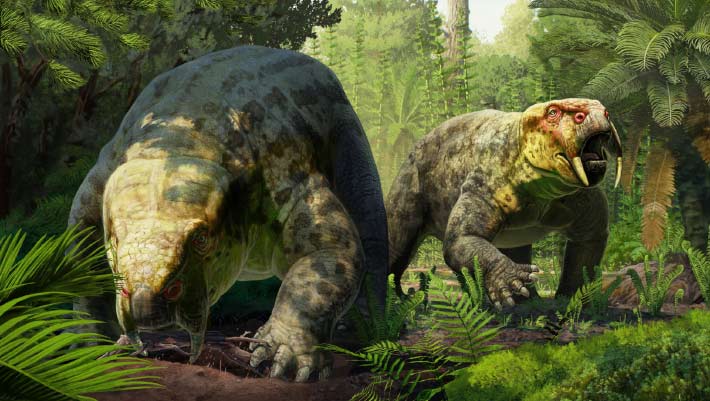
Fossil Find in China Reveals Dinosaur Family Never Before Seen in East Asia
Une découverte de fossiles en Chine révèle une famille de dinosaures jamais vue auparavant en Asie de l'Est
Chine fossile Dinosauria découverte nouvelle espèce
Des paléontologues travaillant dans le sud de la Chine ont identifié une nouvelle espèce de dinosaure sauropode qui semble appartenir à un groupe jamais documenté auparavant en Asie de l'Est. L'article Une découverte de fossiles en Chine révèle une famille de dinosaures jamais vue auparavant en Asie de l'Est est apparu en premier sur Sci.News : Breaking Science News.
04/08/2026 sci-news ⚙ Traduction automatique
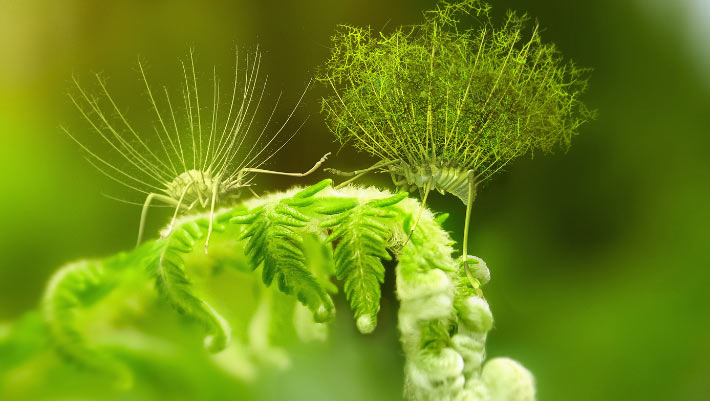
244-Million-Year-Old Fossil Preserves Earliest Reptilian Digestive System
Un fossile vieux de 244 millions d’années préserve le premier système digestif reptilien
Chine Trias fossile spécimen
Un spécimen superbement conservé d'Austronaga minuta, un petit reptile marin au long cou du Trias chinois, contient un estomac, un foie et des intestins fossilisés, offrant aux paléontologues leur plus ancien aperçu détaillé de la façon dont les premiers reptiles digéraient la nourriture. L'article Un fossile vieux de 244 millions d'années préserve le premier système digestif reptilien est apparu en premier sur Sci.News : Breaking Science News.
04/08/2026 sci-news ⚙ Traduction automatique
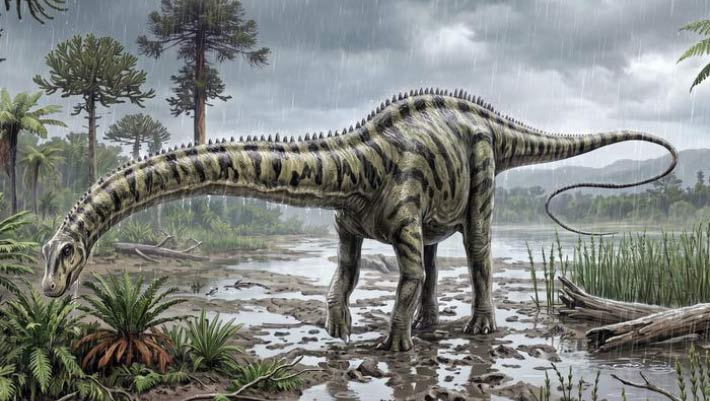
Une créature vieille de 518 millions d'années révèle les origines des crocs d'araignée
membre tissus fossile
Une minuscule créature marine vieille de 518 millions d’années a révélé les premières preuves connues des structures qui sont finalement devenues des crocs d’araignées. Cachés à l’intérieur du fossile se trouvaient des membres en forme de pinces et des tissus mous préservés qui aident à expliquer comment les ancêtres des araignées et des scorpions sont devenus de redoutables chasseurs.
04/08/2026 sciencedaily-paleo ⚙ Traduction automatique
Les fossiles remarquables d'Eoceras shaanxiense réécrivent l'évolution des céphalopodes
Chine Cambrien Étage 3 du Cambrien fossile évolution formation
Les chercheurs ont identifié de minuscules fossiles de la formation Shuijingtuo (stade cambrien 3) du sud de la Chine qui pourraient transformer notre compréhension de l'évolution des céphalopodes. L'espèce nouvellement décrite, Eoceras shaanxiense, fournit la plus ancienne preuve connue d'un siphoncle primordial, une caractéristique anatomique cruciale qui a permis aux céphalopodes de réguler la flottabilité et de devenir finalement certains des océans.
03/08/2026 everythingdinosaur ⚙ Traduction automatique
1 2 3 4 5 6 7 8 9 10 11 12 13 14 15 16 17 18 19 20 21 22 23 24 25 26 27 28 29 30 31 32 33 34 35